
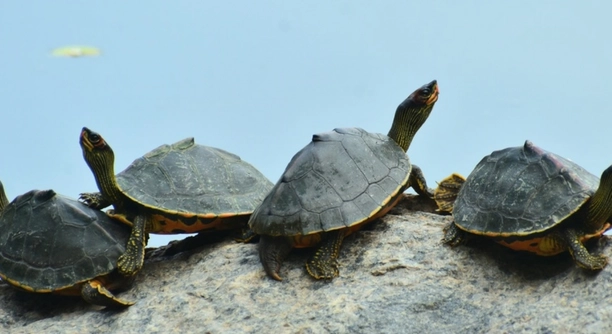
Indian Roofed Tortoises are unique, gentle creatures, but if they shed excessively, it can be a concern. Understanding the causes behind this behavior is important for keeping them healthy and comfortable.
Excessive shedding in Indian Roofed Tortoises is often caused by environmental factors, dietary issues, or health problems. Common causes include temperature fluctuations, improper humidity, poor diet, or even stress. Identifying the source helps manage and reduce shedding.
Learning what might be causing your tortoise’s shedding can help you maintain a better environment for their well-being. We’ll explore common causes and solutions to keep your tortoise happy and healthy.
Environmental Factors
Temperature and humidity play a crucial role in the health of your Indian Roofed Tortoise. If these are not properly regulated, your tortoise may begin to shed more than usual. A change in seasons can affect their environment, making it harder for them to maintain a healthy balance. Inadequate heat or cold drafts can lead to stress, which often results in excessive shedding.
The ideal temperature range for an Indian Roofed Tortoise is between 75°F to 85°F, with a basking spot that reaches up to 90°F. Humidity levels should be maintained around 50-60%. When these conditions are inconsistent, your tortoise’s shedding pattern may change drastically.
To create a stable environment, use a reliable thermometer and hygrometer to monitor the temperature and humidity levels. Invest in a good quality heat lamp or ceramic heat emitter to maintain proper warmth. If your tortoise’s habitat is exposed to drafts or extreme temperatures, consider relocating their enclosure to a more stable area. Ensuring that these environmental conditions are met will help prevent unnecessary shedding.
Diet and Hydration
A proper diet is vital for the health of your tortoise. Poor nutrition can lead to problems such as excessive shedding. If the tortoise is not receiving the right balance of nutrients, it can impact its skin and shedding patterns. Feeding your tortoise a varied diet, rich in calcium and fiber, is essential for keeping shedding in check.
Lack of hydration is another common issue. A dehydrated tortoise may experience dry skin and excessive shedding. Make sure to offer fresh water regularly and ensure they are eating a variety of fresh vegetables and grasses.
Stress
Stress can cause your Indian Roofed Tortoise to shed excessively. Tortoises are sensitive to their environment and can become stressed by changes in their habitat. This stress often shows up as abnormal shedding, leaving you with more than just a few flakes of skin.
Common stressors include loud noises, sudden movements around their habitat, and being handled too often. Even changes in lighting or furniture placement within their enclosure can be unsettling. Additionally, tortoises can become stressed if their enclosure is too small or overcrowded. This environment can lead to more frequent and excessive shedding.
To reduce stress, keep their enclosure in a calm, quiet location. Avoid handling them frequently and allow them to adjust to new changes gradually. Also, ensure their habitat has plenty of space to move around comfortably. Creating a calm, safe environment helps reduce stress and, in turn, the shedding process.
Health Issues
Health problems are another common cause of excessive shedding. Skin conditions, parasites, or infections can cause abnormal shedding in tortoises. These issues often lead to your tortoise shedding more than normal, and may also include signs of discomfort like lethargy or loss of appetite.
Fungal or bacterial infections are common culprits of unhealthy shedding. These conditions can cause patches of skin to flake off excessively. If your tortoise is showing other signs of illness, such as a change in behavior or eating habits, it’s important to consult a veterinarian. Regular check-ups will help spot potential health issues before they escalate.
Ensuring your tortoise stays healthy is essential for preventing unnecessary shedding. A balanced diet, proper hydration, and regular cleaning of the habitat help keep health concerns at bay. If shedding persists or seems abnormal, don’t hesitate to get your tortoise checked by a vet to rule out any serious issues.
Overheating
Overheating can cause your Indian Roofed Tortoise to shed more than usual. When the temperature gets too high, your tortoise’s body tries to cool down by shedding its skin more frequently. This is their natural way of responding to heat stress.
If the basking area is too hot or there’s a lack of proper cooling space, your tortoise may struggle to regulate its body temperature. This leads to excessive shedding, which can be a sign of discomfort. To avoid this, make sure their habitat has a range of temperatures, with a cooler area for them to retreat to.
Improper Lighting
Lighting plays a key role in your tortoise’s health and shedding habits. Improper lighting can disrupt their internal clock and affect their skin health. If your tortoise isn’t exposed to the proper UVB lighting, it may lead to shedding problems.
UVB light is essential for calcium absorption, and without it, your tortoise’s shell and skin may become weaker, causing shedding. Make sure to provide a good quality UVB lamp, and replace it every 6-12 months, as UVB light intensity decreases over time.
Mites or Other External Parasites
Mites and other parasites can also lead to excessive shedding in tortoises. These pests often cause itching and discomfort, resulting in your tortoise shedding more frequently. If you notice your tortoise scratching or rubbing its skin excessively, mites could be the problem.
Regularly inspect your tortoise for signs of parasites. If you suspect mites, a visit to the vet is necessary for treatment. Keeping the enclosure clean and regularly checking for pests can help prevent this issue from happening.
FAQ
What is normal shedding for an Indian Roofed Tortoise?
Normal shedding for an Indian Roofed Tortoise usually happens in small amounts and in regular intervals. A healthy tortoise will shed its skin periodically, especially after it grows or goes through environmental changes. This should not be excessive, and it’s typically a sign of growth and health. If you notice larger patches of skin coming off, it could be an indication of something else, like stress or health problems. Normal shedding doesn’t affect the tortoise’s behavior or health drastically, and it tends to be consistent with their natural growth cycles.
How can I tell if my tortoise is shedding too much?
Excessive shedding is noticeable when there is a large amount of skin coming off, more than the usual flakes. If your tortoise is shedding in larger patches, or if it’s accompanied by other symptoms like lethargy, lack of appetite, or changes in behavior, this could indicate an issue. A healthy tortoise should shed in small, almost unnoticeable amounts, so anything out of the ordinary should be monitored.
Can I prevent excessive shedding?
Preventing excessive shedding starts with ensuring your tortoise’s habitat and health are properly managed. Maintain the right temperature and humidity levels, provide a balanced diet, and keep the environment stress-free. It’s also important to offer proper lighting and avoid overexposure to heat. Regular vet check-ups and parasite prevention also go a long way in preventing excessive shedding. If the shedding is related to a specific health issue, taking immediate action is crucial for managing it.
How often should I bathe my tortoise to help with shedding?
Bathing your tortoise can help with shedding, but it should be done carefully and not too often. A warm bath once or twice a week can hydrate their skin and assist in removing old skin flakes. Avoid using soap, as it can irritate their skin. Make sure the water temperature is comfortable and never too hot or cold. After a bath, dry your tortoise gently with a soft towel and allow it to bask under a heat source to regulate its body temperature.
Can dehydration cause excessive shedding?
Yes, dehydration is a common cause of excessive shedding in tortoises. When a tortoise is dehydrated, its skin becomes dry, which can lead to more shedding than normal. Always make sure fresh water is available at all times, and monitor the humidity level in their enclosure to avoid dehydration. Providing water-rich foods, like leafy greens, can also help in maintaining hydration.
What can I do if my tortoise keeps shedding in patches?
If your tortoise is shedding in large patches, it could be a sign of an underlying issue. This could be caused by poor diet, stress, infections, or even parasites. Examine your tortoise for any signs of illness, such as changes in behavior or signs of injury. If patchy shedding persists, consider visiting a vet for a check-up to rule out any medical problems.
Should I be concerned if my tortoise is shedding more in the winter?
It’s not uncommon for tortoises to shed more during seasonal changes, including winter. Colder temperatures and lower humidity levels can make their skin drier, leading to more shedding. To prevent this, make sure their enclosure is kept at the correct temperature and humidity throughout the year. Use a humidifier if necessary, and ensure they have access to a heat source to help maintain their natural shedding cycle.
How do I know if my tortoise is stressed and shedding because of it?
Stress can lead to excessive shedding, and it often occurs when there are changes to the tortoise’s environment. Signs of stress include excessive shedding, hiding, changes in eating habits, and more aggressive or nervous behavior. To reduce stress, make sure your tortoise has a stable, quiet environment. Avoid frequent handling and monitor any changes, such as new pets, sounds, or movements around the habitat, which may be causing them distress.
Can improper diet cause my tortoise to shed too much?
Yes, an improper diet can certainly contribute to excessive shedding. A lack of nutrients, especially calcium and fiber, can make the tortoise’s skin and shell more prone to shedding. Be sure to feed your tortoise a balanced diet of leafy greens, vegetables, and occasional fruits. Avoid feeding them foods that are too high in phosphorus or low in calcium, as these can lead to skin problems. Additionally, a lack of variety in their diet may cause deficiencies, leading to abnormal shedding.
Is there a way to treat my tortoise if it has fungal or bacterial skin infections?
If your tortoise has a fungal or bacterial skin infection, it’s essential to consult a vet immediately. Infections like these can cause excessive shedding, and untreated infections may worsen. The vet will be able to recommend the proper course of treatment, which could include topical medications or changes in diet and environment. Keeping the habitat clean and ensuring proper lighting and humidity levels can help prevent infections from occurring in the future.
Should I worry about shedding if my tortoise seems healthy?
If your tortoise appears healthy, is eating well, and is active, occasional shedding is not a cause for concern. Healthy tortoises shed their skin naturally as part of their growth process. However, if you notice any other symptoms like weight loss, lethargy, or abnormal behavior along with excessive shedding, it’s worth investigating further. Regular health check-ups can also help ensure your tortoise remains in good condition and shedding stays within normal limits.
Final Thoughts
Excessive shedding in an Indian Roofed Tortoise can be caused by a variety of factors. Whether it’s environmental conditions, diet, stress, or health problems, identifying the root cause is key to resolving the issue. The most common causes of excessive shedding are usually linked to imbalances in temperature, humidity, and diet. When these aspects are not properly managed, your tortoise may experience more shedding than usual. Other factors, such as stress from handling or changes in its surroundings, can also trigger excessive skin shedding. Understanding these factors and providing a stable environment will help reduce the chances of your tortoise shedding excessively.
It’s important to regularly check your tortoise’s habitat and ensure the right conditions are maintained. Monitor the temperature and humidity, and ensure that your tortoise has access to fresh water at all times. A balanced diet, rich in the right nutrients, is just as important for their overall well-being. If the habitat is too hot or too cold, your tortoise might struggle to maintain a healthy balance, leading to unnecessary shedding. The same goes for improper lighting, which can interfere with their internal processes. A good quality UVB light is essential for their health and helps prevent issues like excessive shedding and weakened shells.
If excessive shedding continues despite providing the right care, it may be time to consult a veterinarian. Sometimes, skin problems or parasites like mites can contribute to unusual shedding, and these require professional treatment. Regular check-ups can help catch health issues before they become serious. In most cases, with a little attention and proper care, your tortoise will shed normally and stay healthy. Maintaining a stable environment, a well-rounded diet, and regular health checks will not only prevent excessive shedding but also ensure that your tortoise lives a long, happy life.

Hello,
If you enjoy the content that we create, please consider saying a "Thank You!" by leaving a tip.
Every little bit helps us continue crafting quality advice that supports the health, happiness, and well-being of pets around the world, for pets of all shapes, sizes, and species.
We really appreciate the kindness and support that you show us!