
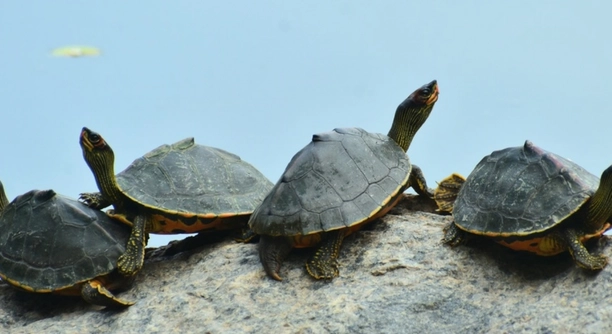
Is your Indian roofed tortoise constantly sleeping, and you’re wondering why? Tortoises are known for their relaxed lifestyle, but if your pet is sleeping more than usual, it may be due to several factors worth exploring.
The most common reasons why your Indian roofed tortoise may always be sleeping are environmental factors such as improper temperature, lack of sunlight, or stress. A change in diet or health issues could also be contributing to its lethargy.
By understanding the underlying causes, you can create a more comfortable environment for your tortoise. Let’s explore these potential reasons and how to address them for a happier, healthier pet.
Temperature and Lighting Issues
One of the most common reasons your Indian roofed tortoise may be sleeping more than usual is because of improper temperature and lighting in its environment. Tortoises are cold-blooded creatures, meaning their body temperature depends on the surrounding environment. If your tortoise’s habitat is too cold, it may become lethargic or even hibernate, especially if the temperature falls below 70°F (21°C). Without proper warmth, your tortoise won’t have the energy to be active. Similarly, inadequate UVB lighting can affect its sleep-wake cycle, leading to more sleeping hours.
Proper heat lamps and UVB lights are essential for your tortoise’s well-being. Make sure your pet’s enclosure has a heat source to maintain a warm spot of 85-90°F (29-32°C), while the cooler area should be around 70-75°F (21-24°C). Also, ensure the UVB light is strong enough to support your tortoise’s natural behavior and prevent Vitamin D3 deficiency, which can cause sluggishness and inactivity.
Check the temperature regularly to keep it consistent, and replace the UVB light every 6 months to ensure it provides adequate UVB exposure.
Diet and Hydration
If your tortoise isn’t eating enough or is dehydrated, it could be another reason for its excessive sleep. A proper diet with the right balance of fiber, vegetables, and hydration is essential for its energy levels. Lack of water can also cause your tortoise to become sluggish and avoid movement.
Ensure your tortoise always has access to fresh water and feed it a variety of greens. You can also provide occasional fruits and safe, edible flowers to boost its nutritional intake. Regular feeding and proper hydration will support its energy levels and reduce tiredness.
Stress and Anxiety
Stress can also lead to your tortoise spending more time asleep. Tortoises are sensitive to changes in their environment, like loud noises, unfamiliar people, or sudden habitat changes. If they feel threatened or unsettled, they may retreat into their shell and sleep more to cope with the stress.
To help reduce stress, create a quiet, secure environment for your tortoise. Ensure its enclosure is in a low-traffic area of your home and avoid sudden changes in its surroundings. A stable, peaceful environment will help your tortoise feel safe and secure, leading to less anxiety and more active behavior.
When it feels stressed, your tortoise might also stop eating and drinking properly. This could make it weaker and cause it to sleep even more as it tries to conserve energy. Taking steps to minimize stress can improve its overall well-being and energy levels.
Health Issues
Underlying health problems can cause your tortoise to become lethargic and sleep more. Conditions like respiratory infections, parasites, or metabolic bone disease are common among tortoises and can result in a significant drop in activity levels. It’s crucial to watch for signs like nasal discharge, difficulty breathing, or a lack of appetite.
If you notice any of these symptoms, it’s important to consult a veterinarian. An early diagnosis can lead to proper treatment and ensure your tortoise recovers quickly. Some illnesses may require specific treatments, such as antibiotics or a special diet, to help your tortoise regain its health and activity levels. Regular check-ups can also prevent future health problems from causing long-term sleepiness.
Hibernation or Brumation
Indian roofed tortoises can enter a state of hibernation or brumation when the temperatures drop, causing them to sleep for extended periods. This is a natural response to cooler weather and lower light levels, mimicking what happens in the wild during winter months.
During this period, their metabolism slows down, and they conserve energy by resting for long stretches. If the temperature in their habitat is not warm enough, they may start brumation early or sleep more than usual. Ensure the enclosure stays within the proper temperature range to avoid unnecessary hibernation cycles.
Make sure to monitor your tortoise’s behavior and adjust environmental conditions if you suspect it’s brumating too early or for too long.
Age and Natural Behavior
Older tortoises tend to sleep more as they age, just like many other animals. It’s part of their natural behavior. As your tortoise gets older, it may become less active and prefer resting over wandering around as it did when younger.
This decrease in activity is normal. However, keeping an eye on its health is still important to rule out any medical issues. A less active tortoise does not always mean something is wrong, but ensuring the proper living conditions can help maintain its quality of life.
FAQ
Why is my Indian roofed tortoise not eating?
There are several reasons why your tortoise might not be eating. One possibility is that its environment is too cold. A drop in temperature can cause your tortoise to lose its appetite and sleep more. Make sure the enclosure is at the right temperature, with a warm spot of around 85-90°F (29-32°C). Another reason could be stress, whether it’s from loud noises, unfamiliar people, or other changes in the environment. Illness can also cause a lack of appetite, so it’s important to observe your tortoise for other signs of discomfort or disease. If it continues to refuse food, consult a vet.
How much sleep should my Indian roofed tortoise be getting?
Indian roofed tortoises sleep a lot, but the exact amount of sleep can vary based on their age, health, and environment. Generally, they sleep between 12-16 hours a day, with periods of rest and activity. If your tortoise is sleeping more than this, it could indicate a problem such as improper temperatures, health issues, or stress. Ensuring your tortoise has the right conditions for sleeping, eating, and moving around is crucial. If its sleeping habits change suddenly, check for other signs of illness or environmental issues.
What should I do if my tortoise is constantly hiding?
If your tortoise is hiding often and not coming out, it could be stressed or unwell. A cold or improperly lit environment may make your tortoise feel vulnerable, so adjust the temperature and lighting in its habitat. Tortoises also hide when they are not feeling well, especially if they are dealing with health issues like a respiratory infection or parasites. Try to reduce stress by keeping the environment calm and quiet. If hiding persists, a vet visit may be necessary to rule out health concerns.
Can my Indian roofed tortoise sleep too much?
Yes, excessive sleep can be a sign of something wrong. While tortoises are naturally sleepy animals, they may sleep more than usual due to poor temperature regulation, a lack of UVB light, or even an illness. If you notice your tortoise is sleeping all the time, check its habitat for issues like temperature imbalances or insufficient lighting. If the conditions are correct and your tortoise is still unusually sleepy, it may be time for a veterinary check-up.
How can I tell if my tortoise is too cold?
If your tortoise is too cold, it may exhibit signs like reduced activity, excessive sleeping, or sluggish movements. Cold tortoises may not eat, and they might spend more time hiding inside their shells. A temperature range of 70-90°F (21-32°C) is ideal for most tortoises. Make sure your tortoise’s enclosure has a basking area with heat lamps that keep the area warm enough for your tortoise to regulate its body temperature. Monitor the temperature regularly using a reliable thermometer, and make adjustments as needed.
What can I do if my tortoise isn’t drinking enough water?
Hydration is vital for your tortoise’s health. If it’s not drinking enough water, try offering water in a shallow dish that’s easy to access. You can also bathe your tortoise in shallow, lukewarm water for about 15-20 minutes a few times a week. This can help it hydrate and encourage it to drink more. Make sure the water is always clean and fresh, as tortoises can be sensitive to contaminated water. If your tortoise still refuses to drink, it may be experiencing health problems, and a vet should be consulted.
How do I know if my tortoise is hibernating?
If your tortoise is sleeping for long periods, you might wonder if it’s hibernating. Tortoises enter hibernation or brumation when the temperatures drop, and they often sleep to conserve energy. However, hibernation in a captive tortoise should only occur under controlled conditions. If your tortoise is hibernating too early or too long, it may be a sign that the temperature in its enclosure is too low. Hibernation should be carefully monitored to avoid health complications. Check the temperature and lighting regularly to prevent unwanted hibernation.
Can my Indian roofed tortoise be kept outside?
Yes, Indian roofed tortoises can be kept outside in the right climate. If you live in a warm area where the temperature stays between 70-90°F (21-32°C), you can create an outdoor enclosure. Make sure the outdoor habitat is secure and offers shade, warmth, and shelter from predators. You should also monitor the temperature closely to ensure it doesn’t drop too low at night. Always bring your tortoise indoors during extreme weather or if it’s too cold. The outdoor space should also be escape-proof to protect your tortoise.
How do I make sure my tortoise is getting enough UVB light?
UVB light is essential for your tortoise’s health because it helps it produce vitamin D3, which is necessary for calcium absorption. Ensure your tortoise’s habitat has a UVB bulb that’s specifically designed for reptiles. The light should be placed about 12-18 inches above the basking area. UVB bulbs lose their effectiveness over time, so replace them every 6 months to ensure your tortoise is getting the proper exposure. Keep the light on for 10-12 hours a day to mimic natural sunlight. Without proper UVB light, your tortoise may develop metabolic bone disease.
What should I do if my tortoise’s shell is soft?
If your tortoise’s shell is soft, it could be a sign of metabolic bone disease, which is often caused by a lack of UVB light or calcium in the diet. This condition can lead to deformities and weak bones. To prevent soft shells, ensure your tortoise has access to UVB light and a calcium-rich diet. You can also dust its food with calcium powder to provide additional support. If the condition persists, take your tortoise to a vet for proper diagnosis and treatment.
Final Thoughts
Understanding why your Indian roofed tortoise is always sleeping is key to providing the best care for your pet. Tortoises, like any other animal, have specific needs that must be met to keep them healthy and active. Environmental factors such as temperature, lighting, and humidity play a major role in your tortoise’s energy levels. If the habitat isn’t properly maintained, your tortoise may become lethargic, which can make it spend more time sleeping. Adjusting the temperature, ensuring proper lighting, and making the environment more comfortable can go a long way in supporting its overall health.
Diet and hydration are also crucial for keeping your tortoise awake and active. Just like any pet, they need a balanced diet that includes the right amount of fiber, vitamins, and minerals. Offering fresh water regularly and feeding them appropriate foods can help keep their energy levels up. If your tortoise isn’t eating or drinking, it may be due to stress, illness, or environmental issues. In such cases, addressing the underlying cause and providing a stable, calm environment will encourage better feeding and hydration, helping reduce excessive sleep.
Finally, it’s important to keep a close eye on any changes in your tortoise’s behavior. While sleeping is normal, sudden changes in its sleeping habits may indicate something more serious. If your tortoise continues to sleep excessively despite having a proper environment and diet, it could be a sign of health issues. In these cases, a visit to the vet is recommended to rule out infections, parasites, or metabolic problems. Monitoring your tortoise’s health regularly and adjusting its care routine when necessary will help ensure it lives a long, happy life.

Hello,
If you enjoy the content that we create, please consider saying a "Thank You!" by leaving a tip.
Every little bit helps us continue crafting quality advice that supports the health, happiness, and well-being of pets around the world, for pets of all shapes, sizes, and species.
We really appreciate the kindness and support that you show us!