
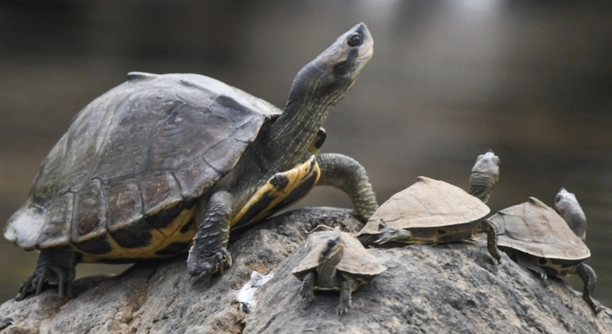
Indian roofed tortoises are fascinating pets, but like any pet, they can face health problems that need attention. Understanding these common issues can help you provide the best care for your shelled companion.
The seven most common issues with Indian roofed tortoises include shell damage, respiratory infections, improper diet, dehydration, mites, improper housing, and stress. Each problem can be treated with the right approach to ensure the tortoise’s well-being.
By learning how to address these concerns, you can help your tortoise thrive. This article will guide you through the steps to fix these issues effectively and improve your tortoise’s quality of life.
Shell Damage and How to Fix It
Shell damage in Indian roofed tortoises can be caused by various factors, including accidents, improper handling, or poor living conditions. A cracked or chipped shell is a serious issue, as it can lead to infections. It’s essential to inspect your tortoise regularly to check for signs of damage. If you notice any cracks, you should immediately clean the affected area with a mild antiseptic and apply a healing ointment designed for reptiles. In severe cases, a vet visit may be necessary for treatment or surgical repair.
You can prevent shell damage by providing a safe environment for your tortoise. Make sure there are no sharp objects or rough surfaces in their enclosure. Use soft bedding, like hay or mulch, to ensure the tortoise’s shell is protected.
Feeding your tortoise a balanced diet rich in calcium will also support shell health. Calcium strengthens the shell, making it less prone to fractures. In addition, UVB light is crucial for proper shell development and bone health. Without sufficient UVB exposure, your tortoise may experience shell deformities. Ensure that your tortoise gets enough sun exposure or provides a UVB light source in their enclosure. This simple step can prevent future damage and ensure the long-term health of your tortoise’s shell.
Respiratory Infections in Indian Roofed Tortoises
Respiratory infections are common in tortoises when they are exposed to cold or damp environments. If your tortoise starts wheezing, has nasal discharge, or seems lethargic, it’s a sign they might be suffering from an infection.
Proper humidity control and temperature are vital in preventing respiratory issues. Make sure your tortoise’s enclosure maintains a warm temperature, especially at night. This helps their immune system stay strong, making them less susceptible to infections. Also, avoid drafts or placing their habitat in a chilly room.
Should your tortoise show signs of a respiratory infection, consult a vet immediately. The vet will likely prescribe antibiotics to treat the infection. In mild cases, you can help by adjusting the temperature and humidity to make your tortoise more comfortable. With prompt care, most respiratory infections can be successfully treated, allowing your tortoise to recover fully.
Improper Diet and How to Correct It
An improper diet can lead to serious health issues in Indian roofed tortoises. Feeding them the wrong types of food, like too much protein or sugary vegetables, can cause digestive problems or even shell deformities. A balanced diet rich in leafy greens, like dandelion greens and kale, and calcium-rich foods is essential for their overall health.
You should also avoid feeding them foods that are high in oxalates, such as spinach, which can interfere with calcium absorption. Instead, focus on offering a variety of dark, leafy greens that will provide necessary vitamins and minerals. You can supplement their diet with small amounts of fruit occasionally, but this should be limited.
To make sure your tortoise gets the right nutrition, it’s important to feed them daily. Avoid overfeeding, as this can lead to obesity, which stresses the tortoise’s joints and overall health. Providing a mix of fresh vegetables and occasional fruit will ensure that your tortoise remains healthy and active for years to come.
Dehydration in Tortoises and How to Fix It
Dehydration is another common problem among Indian roofed tortoises. This happens when they don’t get enough water or when the humidity in their enclosure is too low. Signs of dehydration include sunken eyes, lethargy, and dry skin.
To prevent dehydration, ensure that your tortoise always has access to clean, fresh water. You can also soak your tortoise in shallow warm water for 20 to 30 minutes a couple of times a week. This helps hydrate them, especially if they are reluctant to drink from their water dish.
Make sure that the humidity in the enclosure is at the correct level for your tortoise. While they don’t need a high level of moisture, their environment should still mimic their natural habitat. Regular soaking and maintaining a proper humidity level will keep your tortoise hydrated and prevent any further health issues.
Mites and How to Get Rid of Them
Mites are tiny pests that can cause significant problems for Indian roofed tortoises. They can lead to skin irritation, excessive scratching, and even infections. These mites often thrive in dirty enclosures, which can put your tortoise’s health at risk.
To remove mites, start by thoroughly cleaning the entire enclosure. Use a reptile-safe disinfectant and ensure that all surfaces are sanitized. It’s also a good idea to treat your tortoise with a mite-specific solution, which can be found at most pet stores. Regular cleaning will help prevent future infestations.
Stress in Indian Roofed Tortoises
Stress is a serious concern that can lead to a variety of health problems in tortoises, including loss of appetite and behavior changes. Stress can be caused by sudden changes in the environment, handling, or poor living conditions.
To reduce stress, create a calm, stable environment with plenty of hiding spaces. Keep noise levels low and avoid frequent handling. A well-structured habitat that mimics their natural environment can help your tortoise feel secure and less anxious.
Poor Housing Conditions
Poor housing conditions are often overlooked but can seriously affect your tortoise’s health. If the enclosure is too small, lacks proper ventilation, or doesn’t offer enough hiding spaces, your tortoise may experience stress and physical issues.
Make sure the enclosure is large enough for your tortoise to move freely. It should have proper ventilation and a consistent temperature. Providing areas to hide, such as rocks or logs, will also help them feel more secure and comfortable in their home.
FAQ
What is the best diet for an Indian roofed tortoise?
The best diet for an Indian roofed tortoise consists of leafy greens, such as dandelion greens, collard greens, and mustard greens. You can also provide a small amount of vegetables like carrots and squash. Fruits should be given sparingly and only as treats. It’s important to avoid high-protein foods like meat and dairy, as they can cause health issues. Always provide a calcium supplement, as it’s crucial for their shell and bone health. Fresh, clean water should always be available.
How do I know if my tortoise is stressed?
Signs of stress in tortoises include lack of appetite, excessive hiding, or acting more lethargic than usual. You may also notice them pacing or appearing agitated in their enclosure. Stress can be caused by sudden changes in their environment, improper handling, or not enough space. Reducing stress involves providing a consistent and calm environment, ensuring the enclosure is large enough, and limiting handling.
Can my tortoise live with other pets?
Indian roofed tortoises can sometimes live with other pets, but it’s important to ensure that the other animals are not aggressive or pose a threat. For example, dogs and cats may try to play too roughly with your tortoise. Avoid keeping them with smaller, more fragile pets that could be harmed. If you’re unsure, it’s best to let your tortoise have its own space.
How much space does an Indian roofed tortoise need?
Indian roofed tortoises need a spacious enclosure. The minimum recommended size is 4×6 feet for an adult tortoise. A larger space is always better, allowing them room to roam, explore, and find food. The enclosure should also include areas for hiding and basking, with access to both shaded and sunny spots.
How do I treat a respiratory infection in my tortoise?
If you suspect your tortoise has a respiratory infection, signs may include wheezing, nasal discharge, or lethargy. To treat it, you’ll need to take your tortoise to a vet who specializes in reptiles. The vet may prescribe antibiotics to fight the infection. Keep your tortoise warm and ensure the enclosure’s humidity is in the proper range. With proper treatment, most respiratory infections can be cleared up.
What temperature should my tortoise’s enclosure be?
The temperature in your tortoise’s enclosure should range between 80°F and 85°F during the day. Provide a basking spot that reaches 95°F to 100°F. At night, the temperature can drop to around 70°F to 75°F. You can achieve this by using a heat lamp or heat mat. It’s important to use a thermometer to ensure the enclosure stays within the right temperature range for your tortoise.
How can I prevent shell damage in my tortoise?
Shell damage is often caused by falls or improper handling. To prevent this, avoid letting your tortoise roam in areas where they could fall or be injured. In their enclosure, make sure the surfaces are smooth and free of any sharp objects. Additionally, ensuring that they receive a proper diet, including calcium, will help keep their shell strong and less prone to damage.
How often should I clean my tortoise’s enclosure?
You should clean your tortoise’s enclosure at least once a week. Remove any uneaten food and waste daily to prevent bacteria buildup. Every few weeks, perform a deep cleaning by washing the entire enclosure with reptile-safe cleaners. This will help maintain a healthy environment for your tortoise.
Why is my tortoise not eating?
If your tortoise isn’t eating, it could be due to a variety of reasons, such as stress, illness, or improper temperatures in the enclosure. Check the humidity and temperature levels to ensure they are optimal. Also, consider if there are any changes in the environment that may be affecting their appetite, such as loud noises or new pets. If the problem persists, it’s best to consult with a vet.
Can I let my tortoise roam outside?
Yes, you can let your tortoise roam outside, but it’s important to supervise them. Make sure the outdoor area is safe, free from predators, and enclosed so they can’t escape. Ensure there is a shaded area where they can rest. Be cautious of extreme weather, such as hot temperatures or rain, as it can stress your tortoise or cause health problems.
What should I do if my tortoise is shedding its scutes?
Shedding scutes (the individual plates of the shell) is a normal process for a tortoise, especially as it grows. It typically happens a few times a year. Ensure your tortoise has the proper humidity levels in its enclosure to help with shedding. If you notice any signs of infection, such as redness or pus under the scutes, contact a vet.
How can I help my tortoise gain weight?
If your tortoise is underweight, check their diet and ensure they are eating the right foods in the right amounts. Offer a variety of leafy greens, and consider adding calcium and multivitamin supplements to their food. Make sure they have a proper heat source for digestion. If they continue to struggle with weight, consult a vet to rule out health issues.
Can my tortoise live in a glass tank?
While a glass tank can work for young tortoises, it’s not ideal for adults. Tanks often don’t provide enough space or proper ventilation. Larger enclosures made of wood or plastic are a better choice for adult tortoises. Ensure that the tank or enclosure is at least 4×6 feet for adult Indian roofed tortoises and includes proper heating and lighting.
How can I make sure my tortoise is getting enough UVB light?
UVB light is crucial for tortoises, as it helps them synthesize vitamin D3, which is necessary for calcium absorption and shell health. Place a UVB light above their basking area, and make sure it covers the entire enclosure. Replace the UVB bulb every 6-12 months, as its effectiveness decreases over time.
What kind of substrate should I use in my tortoise’s enclosure?
The substrate should be natural and absorbent, such as coconut coir, cypress mulch, or a mix of sand and soil. Avoid using cedar or pine bedding, as the oils can be harmful to tortoises. The substrate should be deep enough to allow the tortoise to burrow and should be spot-cleaned daily.
Why is my tortoise’s shell soft?
A soft shell is often a sign of a calcium deficiency or insufficient UVB exposure. To fix this, ensure your tortoise gets adequate UVB light and a diet rich in calcium. You may need to supplement their food with calcium powder, and keep their enclosure’s temperature and humidity at the right levels to support shell development. If the problem persists, consult a vet.
Can Indian roofed tortoises live for a long time?
Yes, Indian roofed tortoises can live for a long time with proper care. In the wild, they can live to be 50 years or older. In captivity, their lifespan may be slightly shorter but can still reach 30-40 years with the right diet, habitat, and medical care.
Final Thoughts
Caring for an Indian roofed tortoise involves attention to their diet, environment, and overall well-being. By understanding common issues like shell damage, dehydration, and respiratory infections, you can prevent many problems before they arise. Regular checks on their health, like looking for signs of stress or illness, are important in keeping your tortoise healthy. Their habitat should be spacious, clean, and comfortable, with proper temperature, humidity, and UVB lighting to support their needs. A balanced diet, rich in calcium and leafy greens, will also help them thrive.
Maintaining a stress-free environment is another key aspect of tortoise care. When tortoises feel secure in their surroundings, they are less likely to experience health issues like loss of appetite or lethargy. Make sure to provide hiding spots, limit handling, and keep noise levels down. Handling them too often or roughly can cause unnecessary stress, so always approach with care. A tortoise needs time and space to adjust to changes in its environment, and this is crucial to its mental and physical health.
In conclusion, the Indian roofed tortoise can live a long and healthy life if given proper care. By learning about common health issues and knowing how to address them, you can ensure your tortoise is happy and safe in its environment. Regular cleaning, a suitable diet, and maintaining the right conditions will help prevent problems from arising. Always remember to stay informed about your tortoise’s needs, and seek professional advice when necessary. With patience and attention to detail, you’ll be able to provide the best care for your tortoise, ensuring it thrives for many years to come.

Hello,
If you enjoy the content that we create, please consider saying a "Thank You!" by leaving a tip.
Every little bit helps us continue crafting quality advice that supports the health, happiness, and well-being of pets around the world, for pets of all shapes, sizes, and species.
We really appreciate the kindness and support that you show us!