
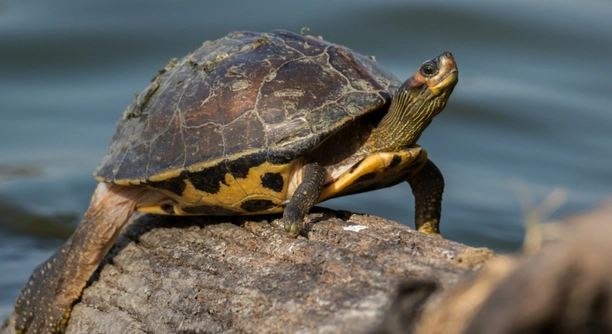
Many pet owners of Indian Roofed Tortoises wonder when their turtle is ready to lay eggs. Recognizing the signs early can help provide a safe environment for your pet. Understanding their behavior and needs during this time is key.
The best way to tell if your Indian Roofed Tortoise is ready to lay eggs is by observing physical signs such as increased digging behavior, restlessness, and a noticeable weight gain. These signs indicate she is preparing to lay her eggs.
Knowing the signs of egg-laying readiness helps ensure your tortoise remains healthy and comfortable. In this article, we’ll cover the key behaviors and steps to take when your tortoise is preparing to lay eggs.
Signs That Your Indian Roofed Tortoise Is Ready to Lay Eggs
When your Indian Roofed Tortoise is about to lay eggs, certain behaviors and physical changes will become more noticeable. She will often start digging in her enclosure, looking for a suitable place to lay. You might also notice that she becomes more restless than usual. She may even stop eating or eat less as her body prepares for egg-laying. As the eggs develop, her abdomen will become visibly larger, a sign of the increased weight she is carrying. Another key sign is the change in her posture. She may stand up on her hind legs or adopt a more aggressive stance. These behaviors are often linked to nesting instincts.
Your tortoise may also show an increased preference for solitary spaces. She will likely spend more time looking for secluded corners to rest, dig, or hide. This is part of her instinct to prepare for egg-laying. Pay attention to her movements and body language, as these will help you know when to expect the eggs.
Being mindful of these signs allows you to act quickly and prepare her environment. Creating a safe, quiet, and comfortable space for her to lay eggs is crucial.
How to Help Your Indian Roofed Tortoise Lay Eggs Safely
If your tortoise is showing signs that she’s about to lay eggs, it’s important to provide a proper space for her to do so. Ideally, you’ll want to offer her a large area with soft soil or sand for digging. This will mimic the conditions she would find in the wild. The substrate should be deep enough to allow her to dig and create a nest. Ensure the temperature and humidity levels are optimal for egg development. The enclosure should also be quiet and stress-free to reduce any unnecessary anxiety.
Once the space is ready, allow her to dig and prepare her nest. You may see her digging vigorously and then settling down in a small hole she has created. She will lay her eggs in this hole, and afterward, she will cover them with substrate to keep them safe and hidden. After she lays the eggs, it’s important to leave her alone so she can rest and regain her energy. Avoid disturbing her during this process to prevent stress.
By offering her a safe, stress-free space, you help ensure that the egg-laying process goes smoothly and that she feels secure in her environment.
Providing the Right Nesting Area
To encourage your Indian Roofed Tortoise to lay eggs, you must create a suitable nesting area. This area should be quiet, clean, and offer enough space for her to move around freely. Use a deep layer of soil or sand for digging.
Ensure the nesting area is free from disturbances and is at a comfortable temperature. The substrate should be soft and deep enough for her to dig and create a nest. She will need to feel secure to lay her eggs, so make sure she’s not disturbed by loud noises or other pets. Having a quiet, safe space will help her feel comfortable enough to lay eggs naturally.
Remember that the nesting area should also have proper humidity. Too dry or too wet can affect the eggs’ development. If the enclosure’s humidity isn’t ideal, you can adjust it by spraying the substrate lightly with water. This gives her the right conditions to lay eggs and ensures they are safe and protected.
Monitoring the Egg-Laying Process
Once your tortoise starts laying eggs, keep an eye on her, but try to avoid disturbing her too much. She will dig and lay her eggs in a nest she creates, then cover them with substrate. It’s important not to interfere unless necessary.
After the eggs are laid, they should be left undisturbed. Your tortoise may need some time to rest after laying the eggs, so it’s best to give her space. She might leave the nest once she’s finished, or stay with the eggs to guard them. Either way, don’t disturb the eggs or attempt to move them at this stage. Handling the eggs prematurely can cause harm to both the eggs and your tortoise.
Leaving her to complete the egg-laying process will prevent added stress and give her the best chance for a successful clutch. Be patient and allow her to rest and recover after laying her eggs.
Handling the Eggs
Once your tortoise has laid her eggs, it’s important not to disturb them immediately. Leave the eggs in the nest to prevent causing unnecessary stress. They need the right conditions to develop properly.
If you need to move the eggs, do so carefully. Make sure to handle them gently, using soft tools like a spoon. Keep the eggs in the same position as they were originally. Turning them can disrupt their development, causing harm. If you are uncertain about moving them, it’s best to leave them in the nest and monitor their progress.
Incubating the Eggs
After moving the eggs, place them in an incubator set at the correct temperature and humidity levels. The ideal temperature for incubating Indian Roofed Tortoise eggs is around 85°F (29°C). Humidity should be maintained between 60-70%. You can use a moisture-retaining substrate to help with this.
Ensure the eggs are kept stable and undisturbed. During the incubation period, avoid touching or rotating them. This gives the eggs the best chance of hatching successfully. You should also monitor the humidity and temperature levels regularly to avoid drastic changes, which can harm the developing embryos.
Checking for Fertility
To check if your tortoise’s eggs are fertile, you can perform a technique called candling. This involves shining a flashlight through the eggs to look for visible signs of development, such as blood vessels or a dark spot. Fertile eggs will show signs of growth.
FAQ
How long does it take for Indian Roofed Tortoise eggs to hatch?
The incubation period for Indian Roofed Tortoise eggs typically lasts between 60 to 90 days, depending on environmental conditions such as temperature and humidity. Warmer temperatures tend to shorten the incubation period, while cooler conditions can extend it. It’s crucial to maintain a consistent temperature and humidity level throughout the incubation process to ensure successful hatching. Check the eggs periodically for any signs of development, but avoid disturbing them too much to prevent causing harm.
How can I tell if the eggs are fertile?
You can check if the eggs are fertile by performing a method known as candling. This involves using a flashlight or a strong light to illuminate the eggs in a dark room. A fertile egg will usually show signs of development, such as blood vessels or a darker area in the center, indicating the embryo’s growth. Infertile eggs, on the other hand, will appear clear or opaque. Be gentle when handling the eggs and avoid rotating them, as this could harm the embryo inside.
Should I disturb the eggs during incubation?
It’s best to avoid disturbing the eggs during incubation. Moving or touching them can cause harm to the developing embryo. If you need to check on the eggs, do so with care and minimize any disturbance. Always handle them gently using soft tools, like a spoon or your hands, and be mindful not to turn them upside down. Consistency in temperature and humidity is key, so avoid unnecessary movements that could disrupt their environment.
What should I do if my tortoise doesn’t lay eggs?
If your Indian Roofed Tortoise shows signs that she might be ready to lay eggs but doesn’t, it could be due to stress, an improper environment, or other health concerns. Make sure her enclosure is quiet, clean, and has proper nesting materials like soft soil or sand. Check that the temperature and humidity levels are appropriate for egg-laying. If she continues to show signs of restlessness or digging without laying eggs, it may be helpful to consult a veterinarian to rule out any health issues.
Can I eat the eggs if they’re not fertile?
While it might seem tempting to eat the eggs if they’re not fertile, it’s not recommended. Turtle eggs, even infertile ones, can carry bacteria or parasites that could be harmful to humans. It’s safer to dispose of the eggs in a sanitary manner rather than consuming them. If you’re unsure how to handle them, you can contact a local pet store or animal shelter for advice on disposal.
What happens if I don’t create a nesting area?
If you don’t provide a suitable nesting area for your tortoise, she may become stressed and may not lay her eggs properly. Tortoises need a quiet, clean, and comfortable place to lay their eggs. Without the right environment, the eggs could be laid in inappropriate places, or your tortoise might even hold onto them, leading to potential health problems. Ensuring the proper nesting area is essential for her well-being and the development of her eggs.
Can Indian Roofed Tortoises lay eggs without mating?
Yes, female Indian Roofed Tortoises can lay eggs even if they haven’t mated. This is known as “parthenogenesis.” However, eggs laid without mating will typically be infertile and will not hatch. While this is a natural occurrence in some reptiles, it doesn’t change the need for proper care, including creating a suitable nesting area and incubating the eggs properly. If your tortoise lays eggs without mating, don’t be alarmed; it’s a common occurrence.
How can I keep my tortoise comfortable after laying eggs?
After your tortoise lays eggs, she will need time to recover and rest. Make sure her environment is calm and quiet, with a clean, comfortable place to relax. You should also ensure she has access to fresh water and food to help her regain energy. If she’s still showing signs of restlessness or discomfort after laying her eggs, it might be a good idea to consult a vet to ensure everything is okay.
What should I do with the eggs after they’re laid?
After your tortoise lays her eggs, you can choose to either leave them in the nesting area or carefully relocate them to an incubator. If you move the eggs, make sure you place them gently, keeping them in the same orientation as when they were laid. You’ll need to monitor the temperature and humidity closely to ensure the eggs develop properly. Whether you choose to incubate or leave them in the nesting area, ensure the eggs are undisturbed to avoid harming the embryos.
Can the eggs be left outside to hatch?
While some tortoises may lay eggs in the wild and leave them to hatch naturally, it is not recommended to leave eggs outside in an uncontrolled environment. The temperature, humidity, and other conditions outside are difficult to monitor, which could affect the eggs’ development. It’s safer to incubate the eggs indoors, where you can maintain the proper conditions and protect them from predators or environmental stressors.
What signs should I watch for if the eggs are about to hatch?
As the eggs approach hatching time, you may notice slight changes in their appearance. Fertile eggs will often become slightly opaque, and you may even see the embryos moving inside. It’s important to monitor the eggs closely as the hatching time approaches. Once they begin to hatch, the baby tortoises will usually break through the eggshell from the inside. Avoid touching the eggs at this stage, as premature handling can harm the young tortoises.
Final Thoughts
Caring for your Indian Roofed Tortoise as she prepares to lay eggs requires patience, attention, and the right environment. Watching for the signs that she is ready to lay eggs, such as increased digging and restlessness, will help you take the necessary steps. The key is to ensure she has a quiet, safe space with the right conditions, such as soft soil or sand for digging. This is crucial for her well-being and for the successful development of her eggs. A calm environment reduces stress and allows your tortoise to focus on laying her eggs naturally.
Once the eggs are laid, it’s important not to disturb them unnecessarily. Let the tortoise complete the process of laying and covering her eggs without interference. If you choose to move the eggs to an incubator, handle them gently and ensure they are kept in stable conditions. Consistent temperature and humidity are essential for the eggs to develop properly. You will also need to monitor the eggs periodically, checking for signs of fertility, but avoid disturbing them too much. Patience is key during this time as the eggs can take several weeks or months to hatch.
After the eggs hatch, providing proper care for the young tortoises is just as important as caring for the adults. Make sure to provide them with the right environment, food, and water. With the right care, your tortoise and her offspring can thrive. Even if you don’t intend to breed your tortoise, knowing how to support her when she lays eggs ensures that she remains healthy and well-cared for. The process may take time, but it is rewarding to see her through this natural cycle of life.

Hello,
If you enjoy the content that we create, please consider saying a "Thank You!" by leaving a tip.
Every little bit helps us continue crafting quality advice that supports the health, happiness, and well-being of pets around the world, for pets of all shapes, sizes, and species.
We really appreciate the kindness and support that you show us!