
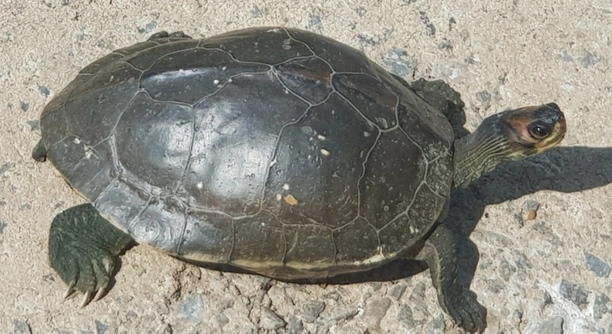
Indian Roofed Tortoises are fascinating pets, but like all animals, they can face challenges in their care. One issue owners often encounter is when their tortoises stop eating. This can be worrying for any pet parent.
There are several reasons why Indian Roofed Tortoises may stop eating, including stress, changes in their environment, health problems, or improper diet. Understanding these causes can help you identify the problem and take appropriate action.
Proper care and attention can make a big difference in your tortoise’s health. Recognizing the signs of trouble early on can prevent more serious issues. Keep reading to learn about the common reasons behind this behavior and how to address them.
Stress or Changes in Environment
When your Indian Roofed Tortoise stops eating, one of the first things to consider is stress. These tortoises can be sensitive to changes in their surroundings. Moving to a new home, rearranging their enclosure, or even the presence of loud noises can cause stress. Stress can also result from handling them too often, which disrupts their natural behavior. It’s important to maintain a stable environment for your tortoise, keeping their habitat quiet and consistent. If there has been any recent change, try to give them some time to adjust.
A calm and quiet environment allows your tortoise to feel safe and comfortable.
If the changes are recent, you might want to give them space for a while. Sometimes, simply allowing them to settle into their new surroundings is enough to bring their eating habits back to normal. Over time, a peaceful, consistent environment can help them thrive. Keep an eye on their behavior and make sure the enclosure conditions are ideal for their needs.
Incorrect Diet or Feeding Schedule
If your tortoise is not eating, check the food you’re offering. Indian Roofed Tortoises require a diet of leafy greens, vegetables, and some fruits. Offering too much fruit or the wrong type of greens can discourage them from eating.
Providing the right food is essential to encourage eating.
Feeding your tortoise a balanced diet with the correct nutrients will keep them healthy and prevent feeding issues. Try offering different greens or adding variety to their meals. Make sure the food is fresh and cut into manageable sizes. They might prefer one type of vegetable over another, so experiment a bit.
Temperature Issues
Indian Roofed Tortoises are sensitive to temperature changes. If their enclosure is too hot or too cold, they may stop eating. Ideal temperatures for their habitat should range from 75°F to 85°F during the day, with a slightly cooler spot at night.
A proper temperature gradient in the enclosure is crucial for their digestion and overall health. If the temperature falls outside the ideal range, it can lead to discomfort and cause your tortoise to stop eating. Make sure they have access to a heat source and a cooler area to regulate their body temperature.
Too high or too low of a temperature can also impact their activity level, making them lethargic and less interested in food. Check the temperature regularly with a reliable thermometer to ensure it stays within the recommended range. If you notice a significant temperature shift, adjusting their environment can help restore their appetite.
Illness or Injury
If your tortoise is sick or injured, they may refuse food. Health issues like respiratory infections, parasites, or shell injuries can cause them to lose their appetite.
It’s crucial to monitor their behavior closely for any signs of illness, such as nasal discharge, swollen eyes, or abnormal shell appearance. If you notice any symptoms of illness or injury, it’s best to take them to a vet who specializes in reptiles. Prompt care can prevent further complications.
Even a small injury or minor infection can cause significant stress, making eating less appealing. If your tortoise has been behaving unusually, such as being overly lethargic or withdrawn, these could be signs of health problems that need professional attention. Getting a diagnosis early can help ensure a speedy recovery.
Mating Season
During mating season, male Indian Roofed Tortoises may lose their appetite due to hormonal changes and increased activity. This is especially common in mature males.
It’s important to note that this behavior is temporary. As their hormones stabilize after mating, their eating habits should return to normal. Keep their environment stress-free during this time to help them adjust.
Overfeeding
Overfeeding can lead to a lack of appetite in tortoises. If they are offered too much food or are not hungry, they may stop eating altogether.
It’s essential to monitor portion sizes and offer food in moderation. This will ensure they are eating the right amount to maintain a healthy diet and avoid overeating.
FAQ
Why is my Indian Roofed Tortoise not eating?
There are several reasons why your Indian Roofed Tortoise may not be eating. The most common causes are stress, improper diet, temperature issues, illness, or even seasonal changes like mating behavior. First, check the temperature in their enclosure. If it’s too cold or too hot, they may lose their appetite. Also, ensure you’re offering the right foods. If the diet is too repetitive or consists of foods they don’t like, they may refuse to eat. If stress or health concerns are the issue, they may need more time to adjust or veterinary care.
How can I tell if my tortoise is stressed?
Signs of stress in Indian Roofed Tortoises include lethargy, hiding more than usual, aggression, or a sudden refusal to eat. Stress can be triggered by environmental changes like moving to a new home, loud noises, or too much handling. If you’ve recently made any changes to their environment, give them time to adjust. Creating a quiet and stable space will help them feel safe and reduce stress.
Can temperature affect my tortoise’s appetite?
Yes, temperature plays a critical role in your tortoise’s eating habits. If the enclosure is too hot or too cold, it can cause them to stop eating. The ideal temperature range for Indian Roofed Tortoises is between 75°F and 85°F during the day. Ensure the enclosure has both a warm basking spot and a cooler area for them to regulate their body temperature. If the temperature fluctuates or is outside this range, it can lead to a lack of appetite.
Should I be worried if my tortoise is not eating for a few days?
If your tortoise hasn’t eaten for a few days, it’s not always a cause for immediate concern. However, it’s essential to observe other signs, such as lethargy, changes in behavior, or physical symptoms like swelling or discharge from the eyes or nose. If these symptoms are present, it’s time to consult a vet. If no other concerning signs are present, try adjusting the temperature, offering new food options, or reducing stress to see if that helps.
How often should I feed my Indian Roofed Tortoise?
Indian Roofed Tortoises typically eat every other day or every two days. Offering food too frequently can lead to overfeeding, which might discourage them from eating. On feeding days, provide a variety of leafy greens, vegetables, and occasional fruits. Make sure the food is fresh and clean, and avoid offering too much of one food type, like fruit, as this can affect their appetite.
Can my tortoise’s diet be causing them to stop eating?
Yes, an incorrect or monotonous diet can cause your tortoise to lose interest in food. Indian Roofed Tortoises need a balanced diet of leafy greens, vegetables, and occasional fruits. Overfeeding them with high-sugar fruits or feeding them too much of the same food can lead to boredom or nutritional imbalances. Offering a variety of safe greens like dandelion leaves, collard greens, or mustard greens will keep them interested. Make sure to avoid iceberg lettuce or high-oxalate vegetables like spinach, as they are not ideal for tortoises.
Is it normal for my tortoise to stop eating during mating season?
Yes, it is normal for male Indian Roofed Tortoises to stop eating during mating season. The hormonal changes and increased activity can cause them to lose their appetite temporarily. This behavior should return to normal once the mating season ends. During this time, make sure the tortoise has a calm environment with minimal disturbance. Avoid handling them too much and allow them space to adjust.
What can I do to encourage my tortoise to eat again?
If your tortoise has stopped eating, start by checking the basics: is the temperature right? Is the food varied enough? Consider offering different types of greens, vegetables, or fruits they may enjoy. Reduce handling and ensure their environment is calm and free from stress. If the issue persists for more than a few days, it may be time to consult a vet to rule out any health issues.
Could my tortoise be sick if it’s not eating?
Yes, illness could be a reason for your tortoise’s lack of appetite. Respiratory infections, parasites, or internal issues like shell problems can cause them to stop eating. Look for other signs of illness, such as mucus from the nose, swollen eyes, or changes in their shell. If any of these symptoms appear, it’s best to take them to a reptile vet for a check-up.
What should I do if my tortoise is not eating and seems lethargic?
Lethargy combined with a lack of appetite is often a sign of an underlying issue. It could be due to stress, illness, or an environmental problem like temperature fluctuations. Start by checking the enclosure’s temperature and adjusting it if needed. If your tortoise remains lethargic and refuses food for several days, it’s best to consult a veterinarian to ensure there’s no serious health concern.
Can overfeeding cause my tortoise to stop eating?
Yes, overfeeding can lead to your tortoise refusing food. If they are given too much food or are not hungry, they may stop eating. Overfeeding can also lead to obesity, which impacts their overall health. Offer food in controlled portions, and avoid leaving large amounts of food in the enclosure for long periods. This helps maintain a balanced diet and encourages healthy eating habits.
Final Thoughts
When your Indian Roofed Tortoise stops eating, it can be concerning, but there are many possible reasons behind this behavior. Whether it’s stress from a new environment, temperature changes, an improper diet, or even health issues, it’s important to observe their habits closely. Understanding the common causes for a loss of appetite will help you identify the issue faster and take the right steps to fix it. By ensuring they have a proper diet, the right temperature, and a quiet, stress-free environment, you can often resolve the issue on your own.
However, if your tortoise’s refusal to eat lasts for several days or is accompanied by other signs of illness, it’s essential to seek professional help. A vet with experience in reptiles will be able to provide a diagnosis and recommend treatment if needed. Early intervention is key to preventing more serious health problems, so don’t hesitate to consult a professional if you’re worried. In some cases, even small health issues can cause a lack of appetite, and addressing them quickly will help your tortoise return to its normal eating routine.
In conclusion, caring for an Indian Roofed Tortoise involves paying close attention to their needs and making adjustments as necessary. The key is to monitor their behavior, diet, and environment regularly. With patience and proper care, most eating issues can be resolved. Keeping a consistent and comfortable living space for your tortoise will help keep them healthy and happy. Don’t forget that occasional changes in appetite are natural, but if the problem persists, it’s always a good idea to check with a veterinarian.

Hello,
If you enjoy the content that we create, please consider saying a "Thank You!" by leaving a tip.
Every little bit helps us continue crafting quality advice that supports the health, happiness, and well-being of pets around the world, for pets of all shapes, sizes, and species.
We really appreciate the kindness and support that you show us!