
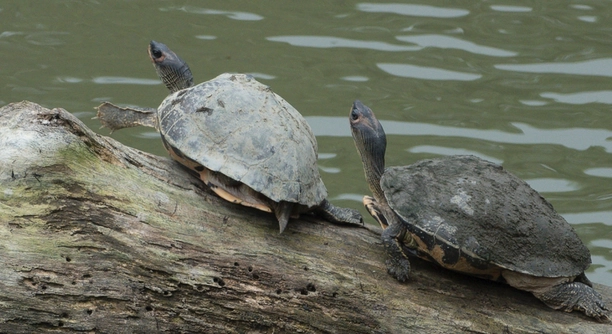
Indian Roofed Tortoises make wonderful pets, but it’s important to make sure their living environment is suitable for their needs. Proper care involves ensuring they have enough space to thrive and grow.
As these tortoises grow, they may outgrow their tank, and it’s crucial to recognize the signs that it’s time to upgrade. Providing them with a larger tank ensures they have room to move, exercise, and remain healthy.
Understanding when your tortoise needs a bigger tank can significantly improve their well-being. Keep reading to find out how to recognize the signs early and provide a better habitat for your little friend.
1. Limited Movement and Space
Indian Roofed Tortoises are active animals that need space to roam. If you notice your tortoise is constantly staying in one spot or not moving around as much, it could be a sign that their tank is too small. A cramped environment can stress them out, limiting their ability to exercise properly. Over time, this lack of movement can affect their overall health, including their muscle development and digestion. It’s important to observe how much your tortoise is exploring its space to assess if a larger tank is necessary.
If the tortoise is unable to move freely or explore, this can lead to behavioral issues, including a lack of interest in food. Proper space helps them stay active, reducing stress and promoting healthier habits.
A tank that allows for more room encourages your tortoise to walk, climb, and engage with its surroundings. This helps them stay fit and energized, leading to better overall health. Increasing the tank size will also reduce the risk of them becoming territorial or agitated due to overcrowding. A larger habitat ensures they feel more comfortable and secure, ultimately benefiting their long-term well-being.
2. Growth and Size of the Tortoise
As your Indian Roofed Tortoise grows, its space requirements will increase. A tank that seemed suitable when you first brought it home may quickly become inadequate as your tortoise matures. The size of a healthy adult Indian Roofed Tortoise can range from 6 to 12 inches, and it will need room to stretch its legs and move freely. If you notice that the tortoise is becoming crowded or is unable to fully extend its body, it’s time to consider a bigger enclosure.
Growing tortoises require a habitat that allows them to thrive and continue growing without limitations. A cramped tank can hinder their physical development and cause stress.
When choosing a larger tank, aim for one that provides enough space for the tortoise to move comfortably, with extra room for accessories like water bowls and hiding spots. This is essential to create a comfortable and stimulating environment. Make sure the new tank is not just bigger but also provides a proper environment, including a regulated temperature and humidity level. Keep in mind that your tortoise’s needs will only grow as they do, so planning ahead will help ensure their long-term comfort and health.
3. Inability to Hide or Retreat
Indian Roofed Tortoises like having hiding spots to feel secure and rest. If their current tank lacks these options or the space to retreat, they may experience stress. A lack of privacy can make them feel exposed and anxious. Over time, this can lead to health issues due to constant stress.
A bigger tank offers more room to add hiding spots, plants, and areas where your tortoise can retreat. This helps them feel safe and reduces the risk of stress-related problems. It’s important to create a habitat that reflects their natural environment, where they can hide when needed.
Adding more hiding spots gives your tortoise the ability to move around and choose where it feels safest. These areas provide much-needed relief from the constant exposure to light or human interaction. A larger tank with more hiding places ensures they have options for privacy and relaxation, supporting both their physical and mental health. This small change can make a big difference in your tortoise’s well-being.
4. Frequent Shell Scratching
Shell scratching is a common sign that your tortoise is uncomfortable in its living space. If your Indian Roofed Tortoise is frequently scratching its shell against the tank’s sides, it’s often a sign that it’s trying to escape. This behavior can indicate that your tortoise feels confined or stressed.
When a tortoise repeatedly scratches its shell, it may be reacting to the limited space. Providing a bigger tank reduces the feeling of being trapped, allowing the tortoise to feel more at ease. This adjustment can lessen the need to scratch and try to escape.
In addition to reducing stress, a larger tank offers more opportunities for natural behaviors, such as digging, foraging, and exploring. By giving your tortoise room to move, you can create a more enriching environment that prevents the repetitive scratching behavior. Ensure that the tank is also equipped with items to engage the tortoise, like substrates for digging, to keep them busy and happy.
5. Excessive Basking
Indian Roofed Tortoises often bask to regulate their body temperature. If your tortoise is constantly basking and not moving around much, it might indicate that its tank is too small. A cramped space can leave them with limited areas to explore and enjoy.
A larger tank offers more opportunities for your tortoise to explore different areas, including those that are warmer and cooler. This variety helps regulate their temperature better, reducing the need to bask excessively. It also prevents them from feeling restricted to one spot.
With a bigger tank, you can create various temperature zones that allow your tortoise to self-regulate and choose where it feels most comfortable. By having the option to move around, your tortoise will be able to adjust its temperature naturally, which is essential for its overall health.
6. Aggressive Behavior
If your tortoise is acting aggressively toward you or other animals in its tank, it may be due to a lack of space. Tortoises can become territorial, and a smaller tank increases the chances of them feeling overcrowded, leading to aggression.
A bigger tank will reduce this territorial behavior. Providing ample space gives your tortoise room to establish its own area and minimize confrontations. It can also help reduce stress, which is often the cause of aggression.
7. Difficulty Eating or Drinking
If your tortoise is struggling to eat or drink properly, it could be due to the lack of space. A small tank limits access to food and water bowls, causing stress and inconvenience. Increasing the tank size gives your tortoise more freedom to eat and hydrate comfortably.
FAQ
How big should the tank be for an Indian Roofed Tortoise?
The minimum size for an Indian Roofed Tortoise tank should be at least 40 gallons for an adult tortoise. However, as your tortoise grows, it may need a larger space. A 75-100 gallon tank or even a custom-built enclosure is recommended for full-grown adults to provide enough room to move, bask, and hide. The more space you can provide, the better for your tortoise’s health and well-being.
Can an Indian Roofed Tortoise live in a smaller tank if it’s young?
Yes, young Indian Roofed Tortoises can start in a smaller tank. A 20-30 gallon tank is fine for a juvenile. However, as they grow, you’ll need to upgrade the tank size. Keeping them in a small space for too long can cause stress and stunted growth. Always plan ahead for when they reach adult size.
What other factors should I consider when upgrading the tank?
When upgrading the tank, ensure that you not only increase the size but also improve the overall environment. Tortoises need proper heating, humidity, and lighting. Be sure to add various hiding spots, water dishes, and areas to bask. A larger tank means more room to create different zones with varying temperatures to allow your tortoise to regulate itself naturally.
Is it okay to have multiple tortoises in one tank?
While it’s possible to house multiple tortoises together, it’s crucial to provide enough space for each one. Overcrowding can cause stress, fights, and territorial aggression. If you’re housing more than one tortoise, ensure that the tank is large enough to accommodate them without causing stress or competition for resources. Ideally, you should have at least 20 gallons per tortoise in a shared space, but more is better.
Can I use a glass aquarium for my Indian Roofed Tortoise?
Yes, a glass aquarium can be used, but it’s important to remember that tortoises need proper ventilation. You’ll need to ensure the tank has sufficient airflow and that the environment inside doesn’t become too humid or stuffy. Additionally, glass can get scratched, so be mindful of the material’s durability. You may also consider using a plastic or wooden enclosure as these can offer better insulation and ventilation.
What should I include in my tortoise’s tank setup?
Your Indian Roofed Tortoise’s tank setup should include several key elements. A basking spot with a heat lamp, a cooler area for the tortoise to rest, and a hiding space for privacy are all essential. You’ll also need a shallow water dish and a substrate like coconut coir or soil that is safe for digging. Adding plants, rocks, or logs will give them something to climb and explore. Creating various zones will encourage natural behavior, such as basking, hiding, and walking.
How often should I clean the tortoise tank?
Cleaning your tortoise’s tank is essential for maintaining a healthy environment. Spot clean the tank daily, removing feces and uneaten food. A full clean, including changing the substrate and disinfecting the tank, should be done at least once a month. A dirty tank can lead to health issues such as skin infections or respiratory problems. Regular cleaning keeps the environment fresh and free from harmful bacteria.
Can I use a plastic container instead of a tank?
Plastic containers can be used as temporary homes for tortoises, but they are not ideal for long-term use. They can be too small and lack proper ventilation. If you use plastic, ensure the container is large enough and has adequate airflow. For a permanent solution, it’s better to invest in a larger, more ventilated tank or enclosure.
How do I know if the tank is too small for my tortoise?
If your tortoise is frequently scratching the sides of the tank, not moving around much, or seems stressed, it’s likely a sign that the tank is too small. Additionally, if your tortoise is unable to stretch out fully or seems cramped, it’s time to upgrade. Tortoises need enough space to move freely, bask, and explore, so a cramped tank can negatively impact their health.
Can I house my tortoise outside?
Yes, Indian Roofed Tortoises can be kept outside as long as the weather is suitable. Make sure the outdoor enclosure is secure and safe, with a sheltered area for warmth and protection from predators. The outdoor environment can offer more space and natural sunlight, which is beneficial for their health. Always monitor temperature and humidity levels to ensure the outdoor habitat meets your tortoise’s needs.
How can I make sure my tortoise is comfortable in its new, larger tank?
Once you’ve upgraded your tortoise’s tank, make sure the environment remains comfortable. Keep the temperature regulated with a heat lamp and UVB lighting to mimic natural sunlight. Provide enough hiding spots, climbing structures, and water dishes. Observe your tortoise’s behavior for signs of stress, such as excessive hiding or lack of appetite. It might take time for them to adjust to the larger space, but with a proper setup, they should thrive.
Final Thoughts
Ensuring that your Indian Roofed Tortoise has the right tank size is crucial for its well-being. A tank that’s too small can limit your tortoise’s movement and cause stress, leading to health issues. As your tortoise grows, it will need more space to roam, bask, and feel secure. If you notice signs like excessive scratching, aggression, or a lack of movement, it’s time to consider upgrading to a larger tank. By observing your tortoise’s behavior, you can tell when its current home is no longer sufficient.
A larger tank provides many benefits. It allows your tortoise to express natural behaviors, such as basking, hiding, and moving freely. It also makes it easier to create different temperature zones, which are important for your tortoise’s health. With more room, your tortoise can also enjoy more hiding spots, which help reduce stress and give it a sense of safety. These small changes can improve their quality of life and reduce the risk of developing health problems.
Ultimately, it’s important to regularly evaluate the size of your tortoise’s tank to ensure it meets their growing needs. A comfortable, spacious environment is vital for their physical and mental health. Making sure the tank is large enough, and providing the right accessories and temperatures, will help your Indian Roofed Tortoise thrive. By staying attentive and proactive, you can create a better habitat for your tortoise and enjoy watching it live a happy, healthy life.

Hello,
If you enjoy the content that we create, please consider saying a "Thank You!" by leaving a tip.
Every little bit helps us continue crafting quality advice that supports the health, happiness, and well-being of pets around the world, for pets of all shapes, sizes, and species.
We really appreciate the kindness and support that you show us!