
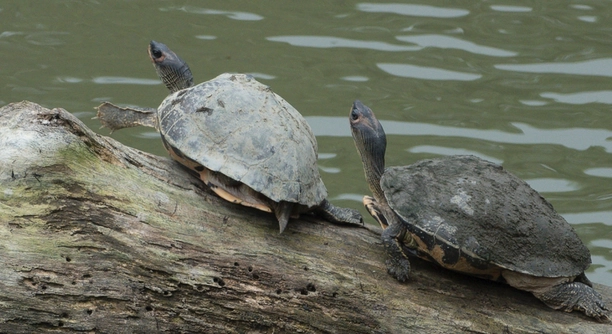
Indian Roofed Tortoises are unique creatures with interesting behaviors, one of which is their tendency to hide. Understanding why they do this can help you better care for them.
The primary reason your Indian Roofed Tortoise is always hiding is due to stress, environmental factors, or natural instincts. Tortoises often seek refuge when they feel threatened, need privacy, or find their surroundings uncomfortable.
There are several factors that may cause this behavior, from changes in their habitat to natural instincts for protection. Let’s explore these reasons and how to manage them for a happier tortoise.
Stress and Anxiety
Indian Roofed Tortoises are sensitive creatures, and stress can easily make them hide. Changes in their environment, handling, or new sounds can create anxiety. When they feel unsafe, they instinctively look for a hiding place. Stress can also come from feeling overwhelmed by too much activity around them. For example, if you have young children or pets in the house, your tortoise may retreat to its shell to escape the noise and movement. This is a natural response to protect itself from possible danger. A stressed tortoise might hide for longer periods, so it’s important to pay attention to their surroundings and adjust as needed.
Providing a calm, quiet environment is key to reducing stress. Keep the area around your tortoise as peaceful as possible, and limit sudden changes in their habitat. Make sure the space is free of loud noises, bright lights, or unfamiliar objects that could cause fear.
By observing their behavior, you’ll be able to see when your tortoise feels threatened. If hiding becomes more frequent, it could be a sign they are stressed. Take action to address any stressors in their environment, and they should feel more secure over time.
Temperature and Humidity
Temperature and humidity are vital factors that impact your tortoise’s comfort. If the habitat is too hot or cold, or the humidity is off balance, your tortoise may hide to avoid discomfort. Tortoises are cold-blooded, so they rely on external temperature sources to regulate their body heat. If the temperature drops below what they need, they will hide in a corner or retreat to their shell. Likewise, if it’s too hot, they may seek shelter to cool off. A proper heating lamp and humidity levels should be maintained to keep your tortoise comfortable.
Ensure that the enclosure has a warm area for basking and a cooler spot for resting. Humidity is also crucial for their skin and respiratory health. Too dry or too humid conditions can make your tortoise seek shelter as they try to avoid stress. Keep an eye on these factors and adjust them regularly to create an optimal environment.
Natural Hiding Behavior
Hiding is a natural instinct for many animals, including your Indian Roofed Tortoise. In the wild, they use hiding as a way to stay safe from predators. When they feel vulnerable or exposed, they’ll retreat to their shell or a sheltered spot. Even in captivity, this instinct doesn’t disappear.
This behavior helps them feel secure and protected, which is why your tortoise might spend more time hiding in certain situations. It’s their way of managing stress and keeping themselves safe. As long as they have access to food, water, and proper care, this behavior should not be a cause for concern.
Allowing them to have a designated hideaway can mimic their natural environment, promoting comfort. It’s important not to disturb them during these moments, as they may need that time alone to feel calm and safe. Make sure their hiding place is quiet and secluded, ensuring it meets their needs for privacy.
Illness or Injury
Health issues can cause your tortoise to hide more often than usual. If they are in pain or not feeling well, their instinct is to retreat and avoid activity. Signs of illness can include reduced appetite, lethargy, or even abnormal behavior. It’s important to observe their eating habits and activity levels closely.
If your tortoise has been hiding for an extended period and also shows signs of discomfort, it’s time to visit a vet. An illness or injury may be the reason behind the hiding behavior. Whether it’s a respiratory infection or a minor injury, seeking veterinary help early can prevent further complications. Keeping your tortoise hydrated and well-fed is key during these times as well.
Acting quickly can help prevent the problem from worsening. By providing the right care and attention, your tortoise can get back to being active and healthy. Always monitor your pet for any changes, especially when they begin hiding more than usual.
Overfeeding
Overfeeding can make your tortoise hide. If they’re given too much food, they may feel uncomfortable or sluggish. Excess food can lead to digestive issues, causing your tortoise to retreat and avoid movement. Keep their meals balanced and monitor portion sizes closely.
It’s essential to provide appropriate amounts of food based on their size and age. Overfeeding can also affect their shell health, causing stress. Stick to a regular feeding schedule to maintain a healthy appetite and avoid excess food accumulation.
Enclosure Size
A cramped enclosure can lead to hiding. If the space is too small, your tortoise may feel restricted and unsafe. A larger area allows them to roam, hide, and regulate their temperature more naturally. Ensure their habitat provides ample space to move and explore.
FAQ
Why is my Indian Roofed Tortoise hiding all the time?
Your tortoise may be hiding due to a number of reasons. Stress, environmental changes, and their natural instincts all play a role in this behavior. If their habitat has changed or if they feel threatened by noise, new pets, or unfamiliar surroundings, hiding is a normal response. It could also be a sign of discomfort due to improper temperature or humidity levels. Make sure their living space is quiet and stable, with proper lighting and temperature control.
How can I reduce my tortoise’s hiding behavior?
To reduce hiding, focus on creating a stable and calm environment. Ensure their enclosure is spacious, quiet, and free from excessive disturbances. Avoid frequent handling and give them time to acclimate to their surroundings. Proper heating and humidity also play a major role in their comfort. If the stress persists, consider observing their daily routine and habits to identify what may be causing discomfort.
Is it normal for my tortoise to hide during the day?
Yes, it’s normal for a tortoise to hide during the day, especially if they are feeling stressed or unwell. Tortoises are not nocturnal, but they may retreat during the daylight hours to rest. As long as they are eating and drinking normally, there’s no need to worry. However, if your tortoise hides for prolonged periods without eating or drinking, it’s a sign to seek advice from a veterinarian.
What temperature is best for my tortoise?
The ideal temperature for your Indian Roofed Tortoise should range from 85°F to 95°F (29°C to 35°C) during the day, with a cooler area of around 75°F (24°C). At night, the temperature can drop to around 70°F (21°C). Use a heat lamp to provide a basking spot that’s warmer and ensure the rest of the habitat is cooler. Monitoring the temperature is key to making your tortoise feel comfortable and reducing stress-related hiding behavior.
Can an Indian Roofed Tortoise be kept with other pets?
It’s best to keep your Indian Roofed Tortoise in a separate, quiet area away from other pets. While they are generally peaceful, the presence of dogs, cats, or even other reptiles may cause stress. Some pets may show curiosity, which could make your tortoise feel unsafe. Allowing your tortoise their own space ensures they can rest and hide when needed without feeling threatened.
Should I be worried if my tortoise isn’t eating?
If your tortoise isn’t eating and is hiding frequently, it could be a sign of illness, stress, or improper environmental conditions. Before worrying too much, check the temperature, humidity, and food type. Tortoises can sometimes lose their appetite due to temperature fluctuations or stress. However, if they continue to refuse food for a prolonged period, a visit to the vet is necessary to rule out health problems.
How do I know if my tortoise is stressed?
Stress in tortoises can show through behaviors like excessive hiding, loss of appetite, or lethargy. If your tortoise is usually active and begins retreating to its shell more often, it could be a sign they are stressed. Other signs include rapid or shallow breathing, drooping limbs, or a lack of interest in food. Make sure to adjust their environment, check their habitat, and limit handling during this time. If stress persists, a vet visit might be needed.
Can I help my tortoise feel less anxious?
Yes, you can help by providing a more secure environment. Reduce handling, make sure the habitat is large and well-lit, and maintain a stable temperature and humidity. Keep the area quiet and allow them to move freely. Introducing a hiding spot or a safe place can also reduce their anxiety and allow them to feel protected when needed. Consistency and stability are key.
How often should I clean my tortoise’s enclosure?
You should clean your tortoise’s enclosure regularly to maintain a healthy environment. Spot clean daily by removing waste, uneaten food, and soiled bedding. A deep clean should be done every two to three weeks, depending on the size of the enclosure. Keeping the habitat clean prevents the buildup of bacteria and helps your tortoise feel comfortable in their space.
Is my tortoise hiding because of the food I’m giving it?
Yes, food can sometimes cause your tortoise to hide, especially if it’s too rich or causes digestive discomfort. Overfeeding can also make your tortoise feel sluggish or bloated, prompting them to retreat into their shell. Offering a variety of leafy greens and some fruits in moderation is the best diet for your tortoise. Avoid feeding them foods that are too high in fat or protein, as it can upset their digestion.
What should I do if my tortoise keeps hiding?
If your tortoise is hiding frequently, first check their environment for any changes or stressors. Ensure the temperature, humidity, and lighting are all appropriate for their needs. If everything seems in order and the hiding persists, monitor their eating habits and behavior. If there are any signs of illness, it’s important to take your tortoise to a veterinarian.
Final Thoughts
Understanding why your Indian Roofed Tortoise is hiding can help you provide a better environment for them. Tortoises often hide for several reasons, such as stress, discomfort, or simply following natural instincts. By observing their behavior and adjusting their habitat, you can reduce the chances of excessive hiding. A stable, quiet, and comfortable environment is essential for their well-being. Whether it’s temperature, humidity, or space, small changes can make a big difference in your tortoise’s comfort levels.
Regularly checking their surroundings and paying attention to their eating and activity habits is important. If your tortoise is hiding frequently, make sure their habitat is calm and secure. Sometimes, external stressors like loud noises, new pets, or unfamiliar changes in the house can make them retreat. Providing a hideaway or a safe spot for them to retreat to can also help them feel more secure. Tortoises are naturally solitary creatures, so having space to hide is a normal and healthy behavior for them. If the hiding persists or is accompanied by other signs like loss of appetite or lethargy, it may be time to consult a vet.
Lastly, it’s important to remember that every tortoise is different. Some may hide more than others due to personality or specific needs. By paying attention to their behavior, you can create an environment that caters to their individual needs. Always make sure their enclosure is clean, safe, and properly set up, and your tortoise will likely feel comfortable and less inclined to hide. If there’s any doubt about their health or behavior, don’t hesitate to reach out to a vet to ensure they are in good condition.

Hello,
If you enjoy the content that we create, please consider saying a "Thank You!" by leaving a tip.
Every little bit helps us continue crafting quality advice that supports the health, happiness, and well-being of pets around the world, for pets of all shapes, sizes, and species.
We really appreciate the kindness and support that you show us!