
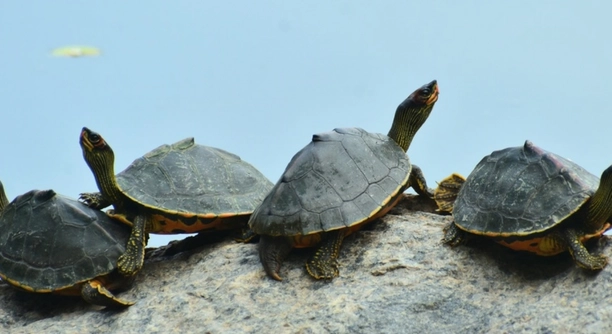
When setting up an enclosure for your Indian Roofed Tortoise, choosing the right materials is crucial. One important aspect is selecting safe wood types that won’t harm your pet. Knowing which woods are safe ensures a healthier, more secure environment.
Indian Roofed Tortoises require enclosures made of non-toxic, safe materials. The safest wood types for these enclosures are those that are untreated, free from chemicals, and resistant to mold. Cedar and pine should be avoided due to toxicity.
Using safe wood types in your tortoise’s habitat is a simple yet important step for their well-being. Learning which options are safe will help create a comfortable, secure space for your pet.
Why Wood Type Matters for Your Indian Roofed Tortoise
Choosing the right wood for your tortoise’s enclosure is essential for both their health and safety. Some types of wood can release harmful chemicals, which could impact your pet. Even natural wood can harbor mold or bacteria if it’s not properly treated. The goal is to find wood that is safe and sturdy enough for your tortoise to enjoy without causing any harm.
It’s important to avoid woods that contain toxins or oils, such as cedar or pine. These can be irritating to your tortoise’s respiratory system and skin. Instead, opt for woods that are known to be safe and durable. Be sure the wood is untreated and has no coatings that could leach chemicals into the environment.
When selecting wood, ensure it’s free from harmful pesticides and preservatives, which are often used in treated wood. Opting for untreated hardwood like oak or maple ensures your tortoise won’t be exposed to any toxic substances. Additionally, certain woods have natural antibacterial properties, which can help reduce the risk of mold or fungus buildup. Properly maintaining the wood by cleaning it regularly will also help keep your tortoise’s habitat safe.
The Best Wood Types for Your Indian Roofed Tortoise Enclosure
Certain hardwoods are ideal for creating a safe and comfortable enclosure. These woods are naturally more resistant to mold, bacteria, and pests.
One of the best choices is oak. It is dense and solid, providing excellent support while being non-toxic to tortoises. Another good option is maple, which is also dense and durable. Both of these woods have natural resistance to the elements and require minimal maintenance to ensure they stay safe for your pet.
Oak: A Strong and Safe Option
Oak is one of the safest and most durable wood choices for your tortoise’s enclosure. It’s sturdy and resistant to wear and tear, making it ideal for housing reptiles. Its density also means it can handle the humidity in the enclosure without breaking down easily.
Oak wood is naturally resistant to mold and bacteria, so it won’t easily develop issues that could affect your tortoise’s health. It’s also a non-toxic wood, which is important since tortoises often chew on their surroundings. Make sure to choose untreated oak to avoid chemicals that could harm your pet.
As a heavy hardwood, oak won’t splinter easily, reducing the risk of injury. It’s available in various forms, such as boards or logs, which gives you flexibility when designing the enclosure. Regular cleaning is key to maintaining a safe and comfortable environment for your tortoise.
Maple: Another Reliable Choice
Maple is another excellent option for building your tortoise’s enclosure. It’s tough and long-lasting, able to withstand the wear and tear of daily life in the enclosure.
Maple is also resistant to fungal growth, a major plus in a humid environment like a tortoise’s habitat. It provides the right balance of durability and safety, as it doesn’t contain any toxic oils or chemicals that could harm your tortoise. Since tortoises sometimes chew on their surroundings, maple’s non-toxic nature makes it a safe choice.
When choosing maple wood, be sure it’s untreated, as treated wood may contain harmful chemicals that can leach into the environment. Maintaining it is easy, and regular inspections will ensure your tortoise stays in a clean and healthy habitat.
Birch: Lightweight and Non-Toxic
Birch is a light yet sturdy wood, making it easy to handle while still offering durability. It’s non-toxic and safe for your tortoise to be around. Since it doesn’t have strong oils or resins, birch is a good choice for any reptile enclosure.
Birch can withstand some humidity and is unlikely to break down quickly. While it’s softer than oak or maple, it still offers solid protection from the environment. Regular cleaning is necessary to avoid bacteria buildup, but its safe nature makes it a reliable option for a tortoise habitat.
Pine: A Wood to Avoid
Pine should be avoided for tortoise enclosures due to its natural oils and resins, which can be harmful to reptiles. These chemicals are toxic and may irritate the tortoise’s respiratory system or skin. While pine is inexpensive and readily available, its risks outweigh the benefits.
Because of these oils, pine can also release harmful fumes when exposed to heat or humidity. Even untreated pine carries these risks, making it unsuitable for an environment where your tortoise will spend time. It’s best to choose other, safer wood types.
Cedar: A Harmful Wood
Cedar is another wood that should never be used in a tortoise enclosure. It contains aromatic oils that are toxic to many animals, including tortoises. These oils can cause respiratory problems and skin irritation, making it a dangerous choice for your pet.
The strong scent of cedar also lingers in the enclosure, which can be overwhelming for your tortoise and stress them out. Cedar wood can even affect their appetite or cause digestive issues over time. Choosing safer wood like oak or maple will help ensure your tortoise remains healthy and comfortable.
FAQ
Is it safe to use treated wood in a tortoise enclosure?
Treated wood should be avoided in a tortoise enclosure. The chemicals used to treat wood, such as preservatives and pesticides, can be harmful to your tortoise. These chemicals can leach into the environment, potentially causing health problems for your pet. Always opt for untreated, natural wood when building an enclosure. Untreated wood is safe for your tortoise and provides a more natural, healthier living space.
Can I use plywood for a tortoise enclosure?
Plywood is generally not recommended for a tortoise enclosure, especially if it is treated with adhesives or chemicals. Some plywood contains harmful substances that could pose risks to your pet’s health. If you decide to use plywood, make sure it is untreated and free of any toxic substances. Additionally, plywood is often made of thin layers, which may not provide the durability needed for a tortoise’s habitat. Opting for solid hardwood is usually a better choice for creating a safe environment.
Are softwoods safe for tortoises?
Softwoods, like pine and cedar, are not safe for tortoises. These woods contain oils and resins that are toxic to reptiles. The chemicals in softwoods can cause respiratory issues, skin irritation, and other health problems for your tortoise. It is best to stick with hardwoods like oak, maple, and birch, which do not contain harmful oils and are safer for your pet. Always avoid softwoods to ensure a safe living space.
What is the best way to clean the wood in a tortoise enclosure?
To keep your tortoise’s enclosure clean, regularly remove waste and debris from the wood surface. Use a soft brush or cloth to wipe down the wood with warm water and mild, non-toxic soap. Avoid harsh chemicals or cleaners that could leach into the wood. After cleaning, make sure the wood is fully dry before placing your tortoise back in the enclosure. Regular cleaning will help prevent bacteria and mold buildup while maintaining a healthy environment for your tortoise.
Can I use wood with bark on it in a tortoise enclosure?
Wood with bark can be used in a tortoise enclosure, but there are some precautions to take. Ensure that the bark is free from pesticides or chemicals that could harm your tortoise. The bark can also trap moisture, which may lead to mold or fungal growth, so it’s important to regularly check and clean it. Additionally, some tortoises might try to eat the bark, which could cause digestive issues. If you notice your tortoise chewing on the bark too much, it’s best to remove it.
Is it safe to use wood for the floor of the enclosure?
Using wood for the floor of the enclosure is safe as long as it is the right type of wood and is well-maintained. Hardwood options like oak and maple are sturdy and resistant to moisture. Be sure to choose a smooth wood surface that’s easy to clean and won’t cause splinters. Some tortoises may dig, so make sure the wood is strong enough to withstand their activities. It’s also important to keep the floor clean, as wood can trap moisture, leading to mold or bacterial growth if not properly maintained.
Can I use driftwood in a tortoise enclosure?
Driftwood can be used in a tortoise enclosure, but it must be thoroughly cleaned before introducing it into the habitat. Driftwood often carries bacteria, salt, and other contaminants that can harm your pet. Make sure to wash it well with warm water and mild soap, and allow it to dry completely. Driftwood is a great addition for creating natural hiding spots and climbing areas, but it should be checked regularly for sharp edges or splinters that could injure your tortoise.
How often should I replace the wood in the enclosure?
Wood in the enclosure should be replaced when it shows signs of damage, wear, or decay. Over time, wood can absorb moisture, which may lead to mold, rot, or bacterial growth. If you notice that the wood is becoming soft, splintered, or stained, it’s time to replace it. Regularly check for signs of damage and clean the wood thoroughly. By maintaining a fresh and safe environment, you ensure your tortoise stays healthy and comfortable. Properly replacing the wood will help avoid any harmful buildup.
Are there any woods that should never be used in a tortoise enclosure?
Yes, there are several woods that should never be used in a tortoise enclosure. These include cedar, pine, and other softwoods that contain harmful oils and resins. These chemicals are toxic to reptiles and can cause respiratory problems, skin irritation, or digestive issues if ingested. Additionally, any treated wood should be avoided, as the preservatives used in the treatment process can leach into the environment and harm your pet. Stick with non-toxic hardwoods like oak, maple, and birch to ensure a safe enclosure.
Can I use wood for a tortoise’s hiding spot?
Wood is an excellent material for creating a hiding spot in a tortoise’s enclosure. A small wooden structure or log can provide your tortoise with a natural and comfortable space to retreat when they need privacy. Make sure the wood is smooth and free from sharp edges or splinters. The hiding spot should be large enough for your tortoise to enter and turn around comfortably. Wood is a great option because it can help maintain the right humidity levels inside the hiding spot while also offering a natural environment for your tortoise.
How can I make sure the wood in my tortoise enclosure stays safe over time?
To ensure the wood in your tortoise enclosure remains safe, regularly inspect it for any signs of wear or damage. Clean the wood frequently to prevent the buildup of mold or bacteria, and keep it dry to reduce the risk of rot. You can also seal the wood with a non-toxic, water-based sealant to provide extra protection from moisture. Always choose high-quality, untreated hardwoods for a long-lasting, safe environment. Regular maintenance and monitoring will help keep the wood in optimal condition for your tortoise.
Final Thoughts
Choosing the right wood for your Indian Roofed Tortoise’s enclosure is important for their health and well-being. Not all wood types are safe, and some can be harmful due to the chemicals or oils they contain. Softwoods like pine and cedar should be avoided because they can release toxins that may irritate your tortoise’s skin or respiratory system. On the other hand, hardwoods like oak, maple, and birch are safer options that provide durability and are less likely to cause harm.
It’s also essential to remember that any wood used in the enclosure should be untreated. Wood that has been treated with chemicals or preservatives can leach harmful substances into the environment, putting your tortoise at risk. Always choose untreated wood, as this is the safest option for your pet. Additionally, regular maintenance of the wood in the enclosure is crucial. Over time, wood can absorb moisture, become soft, or develop mold, which can lead to health issues for your tortoise. Routine cleaning and inspections will help ensure the wood remains safe and effective.
Creating a safe, healthy space for your tortoise doesn’t have to be difficult. By selecting the right wood and maintaining it properly, you can provide your pet with a secure, comfortable habitat. Always check the wood for signs of damage or wear, and don’t hesitate to replace it if necessary. Ultimately, the goal is to offer a natural, safe environment where your tortoise can thrive. Taking the time to choose the best materials for their enclosure will pay off in the long run.

Hello,
If you enjoy the content that we create, please consider saying a "Thank You!" by leaving a tip.
Every little bit helps us continue crafting quality advice that supports the health, happiness, and well-being of pets around the world, for pets of all shapes, sizes, and species.
We really appreciate the kindness and support that you show us!