
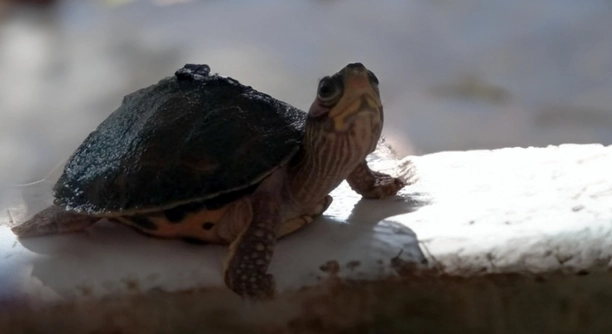
Do you have a captive Indian roofed tortoise and worry about keeping them entertained?
To prevent boredom in captive Indian roofed tortoises, it’s important to provide varied environments, stimulating toys, and regular interaction. Ensuring their habitat has plenty of space, hiding spots, and opportunities for exploration can significantly reduce stress and boredom.
By introducing new challenges and enriching their environment, you can create a more engaging experience for your tortoise. This will not only help prevent boredom but also promote their physical and mental well-being.
Create a Stimulating Habitat
A varied and well-structured habitat is key to preventing boredom in your Indian roofed tortoise. Tortoises are naturally curious, and giving them different textures to explore, such as rocks, logs, and plants, can keep them engaged. Make sure their enclosure is large enough to allow for exploration, with areas to hide and climb. You should also provide a mix of natural and artificial elements like shallow water dishes for soaking and basking platforms. Rotating these elements every few weeks helps prevent the environment from becoming too predictable.
To keep things interesting, you can change up the enclosure layout often. By doing this, your tortoise will always encounter something new, which is important for stimulating their senses and encouraging movement.
It’s also important to ensure your tortoise’s environment is clean and safe. If the space becomes too cluttered or dirty, it can lead to stress and anxiety, which can cause a loss of interest in exploring. Keep the habitat tidy and regularly inspect it for any hazards. By maintaining a well-balanced and stimulating environment, your tortoise will stay mentally active and avoid feeling trapped in a monotonous space.
Provide Enrichment Activities
Offering regular enrichment activities can help prevent boredom in your tortoise. This includes the addition of new objects and food items.
Offering occasional food puzzles, like hiding their meals in different parts of the enclosure or using puzzle feeders, can encourage your tortoise to work for their food. This keeps them mentally sharp and active. You can also create obstacle courses using safe, tortoise-friendly materials like cardboard, branches, or leaves. These will prompt your tortoise to move and explore. When they successfully navigate these challenges, they get a sense of accomplishment.
Introduce Novel Objects
Introduce novel objects to your tortoise’s habitat. A new item can spark curiosity and interest, making your tortoise explore and interact with their space more. These can be anything from a different type of rock to a new food item.
Adding objects like cardboard boxes, different types of leaves, or even a shallow dish with small pebbles can give your tortoise something fresh to engage with. These simple additions can encourage them to move around and interact more with their surroundings. By rotating items every so often, you can maintain that sense of novelty.
Make sure the new objects are safe and non-toxic for your tortoise. Keep an eye on how they interact with these items, and ensure that they aren’t too large or too small to cause discomfort. Giving your tortoise the opportunity to explore new things regularly can keep them mentally stimulated and prevent boredom from setting in.
Provide Social Interaction
Social interaction is essential for your tortoise’s well-being. While tortoises are solitary animals, regular interaction with their human caretakers can help reduce boredom and improve their overall mood.
Spending time with your tortoise daily, whether through gentle handling or simply observing them, helps create a bond. Tortoises can learn to recognize their owners and may respond to gestures like hand movements. Sitting near them and offering food from your hand can create a connection that makes them more engaged with their environment. This kind of bonding will keep your tortoise from feeling isolated.
It’s also beneficial to let your tortoise explore different parts of your home (as long as the area is safe and secure). This gives them a change of scenery and encourages physical activity, reducing the chances of them becoming bored. By fostering a bond with your tortoise and making time for regular interactions, you can make their environment more dynamic.
Create a Natural Light Cycle
Having a proper light cycle in your tortoise’s environment is crucial for their health and activity levels. It mimics natural day and night patterns.
Tortoises need 10-12 hours of light each day to regulate their sleep-wake cycles. This helps them stay active during the day and rest at night. Proper lighting supports their overall health and prevents stress, keeping them from becoming disoriented or inactive.
Using a timer for your light source can ensure a consistent cycle, allowing your tortoise to follow a natural rhythm. Make sure to include a basking spot where they can warm up under a heat lamp.
Offer Different Food Options
Introducing a variety of foods to your tortoise’s diet can add excitement to their routine.
Offer a mix of leafy greens, vegetables, and occasional fruits to keep their meals interesting. Each type of food provides unique nutrients that support their overall health. A varied diet not only keeps them well-nourished but also encourages them to engage with their food.
You can even hide food in different parts of their enclosure to encourage exploration and foraging behavior. These small changes in how they receive food help keep their environment dynamic and prevent boredom.
Keep Their Space Clean
A clean environment is essential for your tortoise’s well-being.
Regularly clean their enclosure to prevent any buildup of waste, which can stress your tortoise. A clean space is more inviting and comfortable, allowing your tortoise to explore without distractions.
FAQ
How can I tell if my tortoise is bored?
A bored tortoise may show signs of lethargy, inactivity, or unusual behavior such as excessive digging or pacing. If your tortoise isn’t moving around much or seems disinterested in their surroundings, it could be a sign of boredom. They might also appear less curious and stop exploring their habitat. A lack of interest in food or social interaction can also indicate that your tortoise needs more stimulation.
What kind of toys can I use to entertain my tortoise?
You can provide simple, safe toys like large, smooth stones, cardboard boxes, or even natural objects like logs and branches. These items encourage exploration and activity. Just ensure that whatever you offer is safe for your tortoise and won’t cause harm if they try to bite or interact with it. Avoid small objects that could be ingested.
How often should I change the layout of my tortoise’s habitat?
Changing the layout every 2-3 weeks is a good idea. It keeps the environment fresh and exciting, encouraging your tortoise to explore more. Make sure the new arrangement is still safe, and don’t drastically change the habitat too often, as it might cause stress. Small, incremental changes work best.
Can I let my tortoise roam outside for enrichment?
Yes, if the weather permits and the area is safe, letting your tortoise roam outdoors can provide great mental stimulation. Just make sure the space is secure, free from predators, and has no hazards like toxic plants or deep water. Supervise them while outside to prevent escape or injury.
How can I keep my tortoise mentally stimulated without overcrowding its space?
You can create stimulation without overcrowding by using varied textures and objects that encourage exploration, such as different types of plants, tunnels, and climbing materials. Rotating items in the enclosure and offering hidden food challenges can also keep them engaged without overwhelming their space.
Should I offer a companion to my tortoise to reduce boredom?
Indian roofed tortoises are solitary animals by nature, so adding a companion may cause stress or territorial behavior. While some tortoises can tolerate the presence of another, it’s often better to focus on enrichment activities and regular interaction with you, their primary caregiver.
Is it okay to handle my tortoise frequently to prevent boredom?
While it’s fine to handle your tortoise for short periods, be mindful not to overdo it. Tortoises can become stressed if they are handled too often or for too long. Instead, focus on offering an engaging habitat with plenty of opportunities for them to explore and interact naturally.
How can I make my tortoise’s feeding time more engaging?
You can hide food in different areas of their enclosure, offering it in puzzle feeders or under leaves to encourage foraging. This mimics their natural behavior and adds an element of challenge to their feeding routine. Offering a variety of foods can also keep them interested and mentally active.
Are there specific foods I should avoid to prevent boredom in my tortoise?
Avoid feeding your tortoise the same food all the time. A monotonous diet can lead to boredom and health issues. However, it’s also important to avoid foods that are toxic to tortoises, like avocado, onions, or iceberg lettuce. Stick to safe, nutrient-rich vegetables and occasional fruits for variety.
What’s the best way to interact with my tortoise without causing stress?
Keep interactions calm and gentle. Approach your tortoise slowly and allow them time to adjust to your presence. Avoid sudden movements or loud noises. Offering food by hand can be a positive interaction that builds trust. Remember, tortoises prefer a quiet and predictable environment.
Final Thoughts
Keeping a captive Indian roofed tortoise entertained and mentally stimulated is essential for their overall well-being. These tortoises are naturally curious animals that benefit from a varied and enriching environment. By offering different textures, hiding spots, and even new food options, you can encourage them to explore and interact with their habitat. Regularly changing the layout of their enclosure or adding safe, novel objects can keep them interested and reduce the chances of boredom.
It’s also important to maintain a balance between providing enrichment and respecting their need for rest. While regular social interaction and mental stimulation are crucial, tortoises also require periods of quiet and undisturbed time. Ensuring that your tortoise’s environment is calm, clean, and safe will help them feel secure and less stressed. Proper lighting and temperature control are also vital to keep them healthy and active. By following these guidelines, you can create a space where your tortoise feels comfortable and engaged, preventing boredom from becoming an issue.
Remember, tortoises are slow-moving creatures, but that doesn’t mean they don’t need variety and stimulation. They thrive in environments that offer challenges, opportunities for exploration, and the chance to exhibit their natural behaviors. By understanding their needs and making a few adjustments to their daily routine, you can significantly improve their quality of life and help them stay active, healthy, and happy. A little creativity and consistency go a long way in keeping your tortoise engaged, and you’ll both enjoy a stronger bond as a result.

Hello,
If you enjoy the content that we create, please consider saying a "Thank You!" by leaving a tip.
Every little bit helps us continue crafting quality advice that supports the health, happiness, and well-being of pets around the world, for pets of all shapes, sizes, and species.
We really appreciate the kindness and support that you show us!