
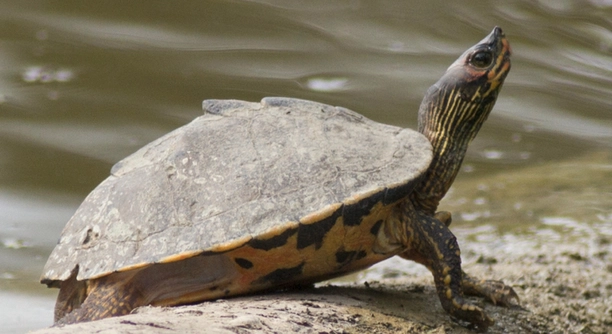
Is your Indian roofed tortoise acting stressed or hiding less than usual? This could be a sign it needs more shelter.
Indian roofed tortoises need multiple hiding spots to feel secure. Without enough places to retreat, they may experience stress, reduced activity, and health issues. Providing adequate hiding areas helps them feel safe and promotes overall well-being.
A well-designed habitat with plenty of shelters can make a significant difference in your tortoise’s comfort and happiness. Understanding these signs will help you create a safe and enriching space for your pet.
Your Tortoise Stays in the Open Too Much
Indian roofed tortoises naturally seek shelter throughout the day. If your tortoise spends most of its time in the open, it may not have enough hiding spots. In the wild, these tortoises hide under leaves, rocks, or in burrows to feel safe. Without enough shelter in captivity, they can become stressed. This stress can affect their eating habits and overall health. Adding more hiding spots, like small caves or dense plants, can help them feel protected. Providing these spaces allows your tortoise to follow its natural behaviors and stay comfortable.
A lack of shelter can make your tortoise feel exposed and uneasy. When they cannot hide, they may become restless or less active. This behavior suggests they need more places to retreat.
To make your tortoise feel safer, add a variety of hiding areas. Use materials like cork bark, half logs, or small shelters. Place these hiding spots in different parts of their enclosure. This gives them options to retreat when they need privacy. Ensuring these areas are shaded and quiet will also help. With proper hiding spots, your tortoise will feel more at ease and maintain a healthy routine.
Your Tortoise Is Easily Startled
If your tortoise reacts quickly to movement or noise, it may need more hiding spaces. Sudden reactions show they feel unsafe.
Tortoises rely on hiding to feel protected from potential threats. Without enough places to hide, they may become jumpy and stressed. This can cause them to withdraw into their shells more often or avoid certain areas of their enclosure. When a tortoise is easily startled, it may freeze, retreat, or stop eating regularly. These signs suggest their environment lacks enough safe spaces.
Adding more hiding spots reduces this stress. Use a mix of natural and artificial shelters to give your tortoise a sense of security. Place these hides in quiet corners to allow for uninterrupted rest. Having multiple hiding areas lets your tortoise choose where they feel safest. This simple change can help them feel more secure and improve their overall well-being.
Your Tortoise Is Digging More Than Usual
Excessive digging can mean your tortoise is trying to create a safe hiding spot. When they cannot find enough shelter, they may dig to feel secure. This behavior is a clear sign they need more covered areas in their habitat.
In the wild, Indian roofed tortoises dig to escape heat, hide from predators, or feel protected. If your tortoise is digging frequently, it may feel exposed. Providing more hiding spots can reduce this behavior. You can add natural shelters like logs, rocks, or small caves to their enclosure. These options give them a safe retreat and lessen their need to dig. Ensure the hides are placed in quiet, shaded areas for added comfort.
If the digging continues despite extra hiding spots, check the enclosure’s temperature and humidity. Extreme conditions may cause your tortoise to dig for relief. Keeping the environment balanced and providing safe spaces will help them feel secure.
Your Tortoise Is Less Active
When a tortoise feels unsafe, it may become less active. Without enough hiding spots, they might stay still to avoid perceived danger. This behavior often means they are stressed and need more secure areas to retreat.
A lack of hiding spaces can disrupt their natural routines. Tortoises typically explore their habitat but retreat when they feel overwhelmed. If they have nowhere to hide, they may stay inactive to avoid stress. This inactivity can lead to poor health over time. Adding hiding spots helps them feel safe enough to move freely. Simple additions like hollow logs or dense plants encourage normal behaviors and reduce anxiety.
Make sure the hiding areas are easy to access and placed throughout the enclosure. A variety of shelters allows your tortoise to choose where to hide. This can improve their sense of safety and encourage healthier activity levels.
Your Tortoise Stays Close to the Edges
When a tortoise sticks to the edges of its enclosure, it may be searching for a safer space. This behavior suggests they feel vulnerable in open areas and need more hiding spots to feel protected and comfortable.
Adding more shelters along the edges can help your tortoise feel safer. Natural materials like cork bark, rocks, or artificial hides give them places to retreat. Placing these hiding spots along the edges offers familiar spaces where your tortoise can relax without feeling exposed.
Your Tortoise Eats Less
A stressed tortoise may lose its appetite. Without enough hiding spots, they can feel unsafe while eating. This discomfort can cause them to eat less or avoid food altogether, affecting their overall health and well-being.
Your Tortoise Avoids Certain Areas
If your tortoise ignores open spaces, they likely feel too exposed. Adding more hiding spots encourages them to explore the entire enclosure while feeling secure.
FAQ
1. How many hiding spots should I provide for my tortoise?
The ideal number of hiding spots depends on the size of the enclosure. Generally, you should have at least two to three different hiding spots for your tortoise. These should be placed in various areas of the habitat to give them options. Make sure the hides are accessible, easy to climb into, and offer adequate shade. By having multiple spots, your tortoise will feel less stressed and more secure, as they can retreat to different areas depending on where they feel safest.
2. Can I use plants as hiding spots for my tortoise?
Yes, plants can be a great addition to your tortoise’s habitat. Live plants, like aloe vera or spider plants, can serve as natural hiding spots and create a more comfortable environment. Just ensure the plants are safe for your tortoise and won’t cause any harm if eaten. Make sure the plants are sturdy enough to hold your tortoise’s weight and provide enough coverage. You can also use artificial plants, as long as they do not pose any choking hazards.
3. What types of materials work best for hiding spots?
Natural materials like cork bark, stones, and logs are ideal because they mimic the tortoise’s natural environment. They offer both shelter and enrichment by providing a more natural hiding spot. If you use artificial hides, look for sturdy plastic or resin options that resemble real materials. Just ensure there are no sharp edges that could harm your tortoise. It’s important that the hides are spacious enough for your tortoise to enter and exit easily while offering them a sense of security.
4. Should I change the location of the hiding spots often?
While it’s okay to occasionally change the location of hiding spots, it’s essential to keep them in places where your tortoise feels safe and comfortable. Constantly moving hides could cause stress, as your tortoise may feel disoriented. However, rearranging the environment once in a while can provide some mental stimulation and prevent your tortoise from becoming bored. Just be sure to leave at least one familiar hide in place so your tortoise has a sense of consistency.
5. How can I tell if my tortoise is feeling stressed due to a lack of hiding spots?
If your tortoise starts to hide more frequently, becomes less active, or shows signs of reduced appetite, it could be a sign that they are stressed. Stress can also lead to abnormal behaviors, such as excessive digging or pacing. In these cases, it’s important to assess the number and placement of hiding spots. If the environment feels too open or exposed, adding more shelters may help reduce their stress levels. Monitor your tortoise’s behavior closely to see if these changes help them feel more at ease.
6. Is it okay to provide a single large hide instead of multiple small ones?
Providing a single large hide can work, especially if your tortoise prefers larger spaces. However, offering multiple smaller hides can give your tortoise more options to choose from depending on their mood. Multiple hides can also encourage exploration and movement, which is beneficial for your tortoise’s mental and physical health. If you choose one large hide, make sure it’s large enough for your tortoise to move around comfortably inside, and place it in a quiet, secure area.
7. Can I use cardboard boxes as hiding spots?
Cardboard boxes can work as temporary hiding spots for your tortoise, but they are not the most durable option. They can easily get wet or torn, especially if your tortoise likes to dig or move around a lot. While they might provide a safe, comfortable hide in the short term, it’s better to invest in more durable materials like wood, plastic, or stone for long-term use. If you do use cardboard, ensure that it’s clean, safe, and free of any chemicals or dyes that could harm your tortoise.
8. Should the hiding spots be heated?
It’s not necessary to heat the hiding spots specifically, as your tortoise will generally regulate its body temperature by moving to warmer or cooler areas within its habitat. However, it’s essential to maintain a proper temperature gradient throughout the enclosure, including the hiding spots. Your tortoise will choose the appropriate temperature based on where they feel comfortable. A heated hide can be beneficial in colder climates or during cooler months, but it should be used cautiously to avoid overheating. Always check that the hide isn’t too warm for your tortoise.
9. How can I make my tortoise’s hiding spots more appealing?
Making hiding spots appealing is simple. Keep them clean, spacious, and free of debris. Add soft bedding like coconut coir or sphagnum moss inside the hide to make it more comfortable. A safe, dark, and quiet spot will attract your tortoise, as they’ll feel secure and undisturbed. You can also scatter food around the hide to encourage your tortoise to explore and interact with it. The key is to ensure that your tortoise has a place where they can relax without being disturbed.
10. Can I use water bowls or shallow pools as hiding spots?
Water bowls or shallow pools are not ideal hiding spots. While they can provide hydration or a place to soak, they do not offer the same level of security as solid hides. Tortoises may avoid spending too much time in a water bowl if they feel it’s not a secure space. Instead, focus on creating sturdy, dark, and secluded areas for your tortoise to retreat to. A water bowl or shallow pool should be placed separately from these hiding spots to avoid any confusion or discomfort.
Final Thoughts
Creating a secure and comfortable environment for your Indian roofed tortoise is essential for its well-being. Providing enough hiding spots is one of the easiest and most effective ways to help your tortoise feel safe and stress-free. When your tortoise has access to areas where it can retreat, it can rest properly and carry out natural behaviors. Whether you use natural materials like rocks and logs or opt for plastic hides, the goal is to offer various options that allow your tortoise to choose what feels most secure. A well-designed habitat with plenty of hiding spaces also encourages your tortoise to explore and be more active, which is vital for its overall health.
The signs that your tortoise needs more hiding spots are often subtle but important. If your tortoise becomes more inactive, starts digging excessively, or avoids certain areas of the enclosure, these could be clear indicators that they feel unsafe. A stressed tortoise might also eat less, show signs of nervousness, or stay near the edges of its habitat. Recognizing these behaviors early allows you to make changes before the stress becomes too overwhelming. Adding more hiding spots will not only help reduce these behaviors but also promote a more natural lifestyle for your tortoise.
Remember, the type and number of hiding spots will vary depending on your tortoise’s specific needs. It’s important to consider the size of the enclosure, the materials used, and how easily your tortoise can access these spots. Keep your tortoise’s environment clean, safe, and well-maintained. With a little thought and effort, you can create a secure space that allows your tortoise to feel safe, reduce stress, and live a healthier, happier life.

Hello,
If you enjoy the content that we create, please consider saying a "Thank You!" by leaving a tip.
Every little bit helps us continue crafting quality advice that supports the health, happiness, and well-being of pets around the world, for pets of all shapes, sizes, and species.
We really appreciate the kindness and support that you show us!