
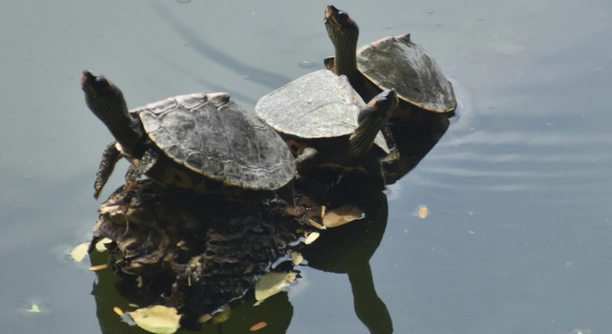
Choosing the right water filter for your Indian Roofed Tortoise tank is essential for their health and well-being. Clean water plays a crucial role in their overall quality of life, ensuring they thrive in their habitat.
The best water filters for Indian Roofed Tortoise tanks should provide excellent filtration, maintain water clarity, and support a healthy environment. These filters should efficiently remove debris, harmful substances, and odors, ensuring safe water conditions for the tortoise.
Selecting the proper water filter will help you maintain a safe and clean environment for your pet. Continue reading to discover the top options for your tank and how they can benefit your tortoise’s habitat.
Why Water Filtration Matters for Your Tortoise Tank
Maintaining clean water in your Indian Roofed Tortoise’s tank is crucial. Without proper filtration, harmful waste and toxins can build up in the water, leading to health problems for your pet. A good filter ensures that these contaminants are removed, leaving the water safe for the tortoise to swim and drink. The filter also helps maintain the water’s clarity, reducing algae growth and keeping your tank looking clean. When your tortoise is in a well-maintained environment, it thrives. The right filtration system supports better water quality, promotes healthier skin, and reduces stress on your pet.
Choosing the right filter for your tank size is important. Filters come in different types, so knowing your tank’s needs will make a significant difference.
Not all filters are created equal, and the one you choose should fit the size of your tank and the specific needs of your tortoise. Some filters are designed for larger tanks, while others are better suited for smaller ones. The filter should also be efficient in handling waste, debris, and excess food. In addition, make sure the filter you select can maintain the right water flow. A gentle water flow is ideal for Indian Roofed Tortoises as it mimics their natural environment. Filters with adjustable settings can be especially beneficial in ensuring the right water flow.
Types of Filters You Should Consider
When choosing a filter, consider three main types: internal, external, and canister filters. Each has its pros and cons depending on the tank’s size and the water needs of your tortoise.
Internal filters are compact and sit inside the tank, ideal for smaller setups. These are easy to install and maintain but might not be as powerful for larger tanks. On the other hand, external filters sit outside the tank and are better for bigger setups. They provide stronger filtration and higher capacity, but they can take up more space. Canister filters are a great choice for larger tanks as they offer superior filtration and can handle higher volumes of water. They also give you more control over filtration settings, but they require more space and maintenance.
Finding the right filter is essential to the health and comfort of your Indian Roofed Tortoise. It’s important to assess the tank size, water flow needs, and type of filtration required. Each tortoise’s environment may have slightly different needs based on factors such as water temperature and the level of water in the tank. Some filters, like canisters, offer more powerful cleaning, while others are quieter and more compact, making them ideal for smaller or quieter spaces.
Factors to Consider When Choosing a Filter
Choosing the right filter involves understanding the size of your tank and the needs of your tortoise. It’s important to consider how much water needs to be filtered and how much waste is produced.
For smaller tanks, you don’t need a high-powered filter. A simple internal filter can usually do the job. However, if you have a larger tank or multiple tortoises, a stronger external or canister filter is necessary. Canister filters are ideal for their superior filtration abilities, especially for tanks with higher water volumes. They can remove more debris, particles, and toxins, ensuring that your tortoise’s environment remains clean and healthy. Additionally, check for filters that can manage both mechanical and biological filtration to address different kinds of waste.
Don’t forget to check the maintenance needs of your chosen filter. Some require more frequent cleaning or have replaceable parts, while others can be left to run for longer periods before needing any attention. If you’re looking for something hassle-free, go for filters that are easier to clean and maintain.
Recommended Filters for Indian Roofed Tortoise Tanks
Internal filters can be great for smaller tanks and are often quiet and efficient. These filters are typically designed for tanks ranging from 10 to 50 gallons, making them a good choice for smaller tortoise setups.
For larger tanks, consider using external or canister filters. These filters are known for their ability to filter larger volumes of water and handle more waste. They are particularly beneficial for those who have multiple tortoises in a large tank. Canister filters can provide more powerful filtration, removing both solid debris and dissolved organic materials, which helps maintain water quality. They also often come with customizable settings, allowing you to control the water flow based on the needs of your tank. These filters are ideal for those who want the most efficient water filtration system for their tortoise.
How Often Should You Clean the Filter?
The frequency of cleaning depends on the type of filter and tank size. Generally, internal filters need cleaning every 2 to 4 weeks, while external filters can go 4 to 6 weeks before needing maintenance.
Regularly checking the filter is important to ensure it’s still working properly. If you notice that the water flow has decreased or the water is cloudy, it’s time to clean the filter. For larger tanks, this might involve cleaning the canister filter more often, especially if you have multiple tortoises. Over time, debris can clog up the filter, reducing its effectiveness.
Common Mistakes to Avoid When Using Filters
One common mistake is using a filter that’s too small for your tank size. This can lead to ineffective filtration, leaving waste and toxins in the water.
Another mistake is not maintaining the filter regularly. If left unchecked, filters can become clogged, causing reduced efficiency and poor water quality. Always clean your filter according to the manufacturer’s instructions to avoid these issues and ensure your tortoise’s environment remains healthy and safe.
FAQ
What size filter do I need for my tortoise tank?
The size of the filter depends on the size of your tank. For tanks under 40 gallons, an internal filter should suffice. However, for tanks over 40 gallons, an external or canister filter is recommended. These filters provide stronger filtration to handle larger water volumes and ensure better water quality. Make sure the filter you choose is capable of filtering the water volume at least 3 to 4 times an hour.
How do I know if my filter is working properly?
You can tell if your filter is working properly by monitoring the water quality. Clear water with minimal debris indicates a well-functioning filter. If the water becomes cloudy or you notice debris floating around, it could be a sign that the filter isn’t working efficiently. Additionally, a decrease in water flow or strange noises from the filter might also indicate a problem.
Can I use a filter for my tortoise that’s designed for fish tanks?
Yes, you can use a fish tank filter for your tortoise tank, but you need to ensure it meets the filtration requirements for your specific setup. Fish tank filters may not always be strong enough for larger tanks or the waste output of a tortoise, so check the specifications before use. Filters made specifically for reptiles are often better suited to the needs of tortoises, as they may be designed to handle more debris.
How often should I replace the filter media?
The filter media should be replaced every 6 to 12 months, depending on the type of filter and the load it’s handling. If you notice a significant decrease in water quality or flow despite cleaning the filter, it might be time to replace the media. Be sure to follow the manufacturer’s guidelines for replacing or cleaning the filter media to maintain optimal filtration.
What happens if I don’t use a filter in my tortoise tank?
If you don’t use a filter, waste and toxins will build up in the water, potentially harming your tortoise. Without filtration, the water will become cloudy, and harmful bacteria can thrive, leading to health problems like skin infections or respiratory issues. A filter helps maintain clean water, ensuring your tortoise stays healthy and comfortable in its habitat.
Is a filter necessary if I change the water frequently?
While changing the water regularly helps maintain cleanliness, a filter is still important. Changing the water doesn’t remove all toxins or provide the continuous water movement that a filter can. A filter will help remove waste, debris, and odors between water changes, ensuring the water stays clean longer and your tortoise’s environment remains healthy.
Can I use a filter if I have live plants in the tank?
Yes, filters can be used with live plants, but you’ll need to choose one that doesn’t disturb the plants too much. Some filters, like sponge filters, are gentle and provide biological filtration without creating too much water movement, which is ideal for plants. Canister filters with adjustable flow rates are also a good choice as you can set them to a low flow.
Are there any filters that are quieter?
Yes, some filters are quieter than others. Internal filters tend to be quieter, but they may not be suitable for larger tanks. Canister filters are another option, as many of them are designed to operate quietly, especially if you choose a high-quality, well-built model. If noise is a concern, look for reviews mentioning noise levels before making your decision.
What should I do if my filter is too strong for my tank?
If the filter’s current flow is too strong for your tortoise, you can reduce the water flow by adjusting the filter’s settings (if it has that option). Alternatively, you could place a sponge or filter guard over the outlet to slow down the current. This helps to prevent your tortoise from being stressed or swept around by too much water movement.
How do I clean my filter?
Cleaning your filter involves removing it from the tank, disassembling it, and rinsing the parts with water (avoid using soap). Clean the filter media by gently rinsing it with water to remove any debris or waste buildup. For external filters, check the hoses and clean them as well. Always ensure that the filter is dry and running smoothly before reinstalling it in the tank.
How can I maintain good water quality without a filter?
If you’re not using a filter, you’ll need to change the water more frequently, ideally every 3-4 days, depending on the tank’s size. You can also add live plants to help absorb excess nutrients and reduce waste. However, relying solely on water changes and plants is much more work than using a filter, which helps keep the water cleaner for longer periods.
Can I use chemical additives instead of a filter?
Chemical additives like water conditioners or water clarifiers can help to treat water, but they should not be used as a substitute for a proper filtration system. These chemicals may remove some harmful substances but will not remove debris, waste, or organic matter. Filters provide continuous mechanical and biological filtration that chemicals cannot replicate.
Final Thoughts
Choosing the right water filter for your Indian Roofed Tortoise tank is important to ensure that your pet thrives in a clean and healthy environment. A good filter helps keep the water free of waste, toxins, and harmful bacteria, which can cause health problems for your tortoise. Whether you choose an internal filter for a smaller tank or a canister filter for a larger setup, the goal is to keep the water clean, clear, and safe. The filter will reduce the need for frequent water changes and will create a stable environment for your tortoise, making it easier for you to maintain its habitat.
However, it’s not just about picking the right filter; regular maintenance is essential. Filters need to be cleaned and checked regularly to ensure they are still working properly. This includes cleaning the filter media, checking the flow rate, and replacing parts as needed. A clogged or malfunctioning filter can lead to poor water quality, which could harm your tortoise. While filters are a great way to keep the tank clean, they should be part of a regular care routine, which also includes proper water changes and monitoring the water’s temperature and pH levels.
In the end, selecting and maintaining a good filter for your tortoise tank is key to providing a healthy and stress-free environment for your pet. It’s important to choose a filter that suits the size of your tank and meets the needs of your tortoise. Regular cleaning and upkeep will help ensure your filter continues to work effectively. By investing in the right filter and maintaining it properly, you’re giving your tortoise a cleaner, safer space to live in, which ultimately supports its overall well-being.

Hello,
If you enjoy the content that we create, please consider saying a "Thank You!" by leaving a tip.
Every little bit helps us continue crafting quality advice that supports the health, happiness, and well-being of pets around the world, for pets of all shapes, sizes, and species.
We really appreciate the kindness and support that you show us!