
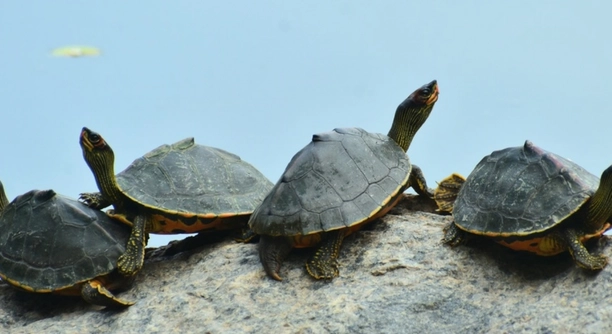
Indian Roofed Tortoises are fascinating creatures, and understanding their growth process is key to keeping them healthy. Their growth rate can be influenced by several factors, so it’s important to pay attention to their needs.
The growth rate of an Indian Roofed Tortoise is influenced by diet, habitat, temperature, light exposure, genetics, activity levels, and health care. Ensuring a proper balance of these factors will help in promoting optimal growth for the tortoise.
Managing these factors well is essential for ensuring a healthy and well-growing tortoise. Knowing how each one affects growth can make a big difference in the care you provide.
Diet and Nutrition
The diet of an Indian Roofed Tortoise plays a significant role in its growth. These tortoises are herbivores, so providing a well-balanced diet of leafy greens, vegetables, and fruits is essential. You should offer a variety of foods, such as dandelion greens, collard greens, and zucchini, which help to ensure proper nutrition. Additionally, adding calcium and vitamin D supplements can promote healthy shell and bone development. Make sure to avoid feeding them high-protein foods, as this can negatively impact their growth rate. Always remove uneaten food to maintain a clean habitat and prevent potential health issues. Proper hydration is equally important, so providing fresh water regularly is essential to keep them well-hydrated.
A poor diet can lead to stunted growth and other health problems.
Understanding your tortoise’s nutritional needs and offering the right food in the right amounts is key to healthy growth. Be mindful of what they eat and adjust as needed based on age and health.
Temperature and Environment
The temperature of your tortoise’s habitat can directly affect its growth. Indian Roofed Tortoises need a warm environment to thrive. Maintaining a basking area of around 90°F (32°C) is ideal for promoting digestion and growth. The rest of the enclosure should have a cooler area, usually between 75-85°F (24-29°C), to allow the tortoise to regulate its body temperature. If the temperature is too low, it can slow down metabolism, affecting the tortoise’s ability to grow at a healthy rate. On the other hand, excessively high temperatures can cause stress and dehydration. A consistent temperature range is necessary for their well-being. Using a thermometer to monitor these temperatures regularly ensures that your tortoise stays in a comfortable range.
An appropriate habitat will support steady growth.
A proper heating setup is vital. If the environment doesn’t meet their needs, the tortoise’s growth may be compromised. Temperature fluctuations can cause stress and disrupt feeding habits, affecting the tortoise’s overall health and growth rate.
Light Exposure
Light exposure plays a crucial role in regulating the growth of Indian Roofed Tortoises. These tortoises need natural or artificial UVB light to absorb calcium properly and develop strong bones and shells. Without proper UVB exposure, they may suffer from metabolic bone disease, which can stunt growth.
Providing at least 10-12 hours of light each day is essential, especially if they are kept indoors. UVB lights should be placed close to the basking area to ensure your tortoise can absorb the rays effectively. Be sure to replace UVB bulbs regularly, as they lose their effectiveness over time, even if they still appear to be working. Proper light exposure helps regulate their internal clock, encouraging natural behaviors like eating and resting.
An ideal light setup will prevent growth issues and other health concerns.
To mimic natural conditions, use a combination of UVA and UVB light. Make sure the light is at the correct distance from the tortoise. This will promote better digestion, prevent health problems, and allow them to grow at a healthy rate.
Activity Levels
Tortoises need plenty of space to roam and explore. Limiting their movement can negatively affect their physical development, as activity helps to maintain healthy muscle tone and encourages proper digestion. Too little exercise can lead to slow growth and overall poor health.
Providing an enclosure large enough for your tortoise to roam is essential. A larger space encourages them to move around, which can help their overall growth. Offering obstacles, such as rocks or tunnels, will also promote natural behaviors like climbing and foraging, which is beneficial for their health. It is important to make sure the tortoise has enough room to exercise without feeling stressed or confined.
Creating an engaging and spacious environment helps maintain their activity levels.
Regular physical activity also supports a healthy metabolism. If they lack enough space to move freely, they may not grow as they should. Ensure their habitat allows for natural movement to promote a strong, healthy tortoise.
Genetics
Genetics play an important role in determining how fast an Indian Roofed Tortoise will grow. Tortoises inherit traits from their parents, including size and growth rate. Some tortoises are naturally larger or smaller, and this can affect how quickly they develop.
While diet and environment can influence growth, genetics set the foundation. If the tortoise comes from a lineage with slower growth, it may take longer to reach its full size. Understanding the genetic background can give you a clearer idea of what to expect in terms of growth speed and overall size.
Health Care
Regular health checks are vital for monitoring growth. Without proper care, diseases or health issues can slow down growth or even cause deformities. Providing appropriate care includes keeping the tortoise clean, monitoring for signs of illness, and ensuring it has a safe, stress-free environment.
If your tortoise shows signs of poor health, it’s essential to take action immediately. Delayed treatment can negatively affect its growth rate and long-term well-being. Regular veterinary visits and a well-maintained environment will prevent health-related growth issues.
Stress Levels
High stress can negatively affect growth. Tortoises are sensitive to changes in their environment, loud noises, or being handled too much. Too much stress can lead to poor eating habits, lower immunity, and stunted growth.
Creating a peaceful and stable environment helps keep your tortoise calm. Reducing stress factors, such as noise or overcrowding, allows your tortoise to grow without hindrance.
FAQ
How fast do Indian Roofed Tortoises grow?
Indian Roofed Tortoises grow at different rates depending on their diet, environment, and genetics. Generally, they can grow 2-4 inches per year in the first few years of their life. However, growth can slow down as they get older. A healthy diet, proper lighting, and temperature can help them reach their potential size.
Can I make my Indian Roofed Tortoise grow faster?
While you can’t drastically speed up their growth, you can provide optimal care to ensure they grow at a healthy rate. This includes giving them a balanced diet, a suitable environment, and plenty of space to roam. Avoid overfeeding or forcing growth, as this can cause health issues in the long run.
What should I feed my Indian Roofed Tortoise to ensure healthy growth?
To ensure proper growth, feed your tortoise a variety of leafy greens, such as collard greens, dandelion leaves, and mustard greens. You can also offer vegetables like squash and zucchini, as well as occasional fruits like melon or berries. Always provide fresh water and consider adding calcium supplements to support shell growth.
Is it normal for my tortoise to stop growing for a period?
Yes, it’s normal for tortoises to have growth spurts and slower periods. Growth tends to slow down as they approach their adult size. Environmental factors, such as temperature and light exposure, as well as their age, can also influence growth rate. Ensure they have a stable habitat and monitor their health regularly.
How can I tell if my tortoise is healthy and growing properly?
A healthy tortoise should have a smooth, hard shell, clear eyes, and be active in its habitat. It should be eating regularly and moving around. If your tortoise shows signs of lethargy, refuses food, or has any irregularities in its shell or skin, it may indicate health problems that can affect growth.
Can stress affect the growth of my tortoise?
Yes, stress can hinder your tortoise’s growth. Stress from handling, sudden changes in their environment, or other animals can cause appetite loss, lethargy, or even health problems. It’s important to keep their environment calm and stable, with consistent temperature, lighting, and minimal disruption.
Do Indian Roofed Tortoises need to be outside to grow well?
While they can thrive outdoors in a secure, warm environment, they can also grow well indoors if provided the right conditions. If kept indoors, ensure they have a spacious enclosure with proper UVB lighting and a temperature gradient to regulate their body temperature. Outdoor enclosures with natural sunlight are ideal but should be safe from predators.
What is the ideal temperature for an Indian Roofed Tortoise?
The basking area should be around 90°F (32°C), while the cooler side of the enclosure should range between 75-85°F (24-29°C). Maintaining this temperature gradient is important to allow the tortoise to regulate its body temperature and aid in digestion, which is crucial for proper growth.
How often should I check my tortoise’s health?
Regular check-ups are important, especially in the early stages of growth. A vet visit every 6-12 months is recommended to monitor their overall health, check for signs of illness, and ensure their growth is on track. Keeping a close eye on their behavior and appearance also helps spot potential health issues early.
Can I keep more than one tortoise together in the same enclosure?
Indian Roofed Tortoises can sometimes coexist peacefully in the same enclosure, but this depends on their individual personalities and the size of the space. Overcrowding can lead to stress, fighting, or injury. If you plan to keep multiple tortoises, make sure they have enough room to roam without being territorial.
Are there any signs that my tortoise is growing too slowly?
If your tortoise is growing slower than expected, it could be due to improper diet, inadequate temperature, or lack of space. Common signs include a poor appetite, lethargy, or a noticeable lack of shell growth. If you notice these issues, consider adjusting their care routine and consulting a vet.
How can I help my tortoise if it’s not growing properly?
If your tortoise isn’t growing well, first check its diet, habitat, and health. Ensure it’s getting a varied, nutritious diet, has proper UVB light exposure, and is in a temperature-controlled environment. If there are still concerns, a visit to the vet will help identify any underlying health issues affecting growth.
What size should my tortoise be at different stages of its life?
At 6 months, an Indian Roofed Tortoise typically measures around 2-3 inches in length. By the end of the first year, they should reach about 3-4 inches. At two years old, they may be around 5-6 inches. Growth can slow after reaching around 7-9 inches, which typically happens by age 5-7.
Should I be worried if my tortoise’s shell grows unevenly?
An uneven shell can sometimes be a sign of an underlying health issue or improper care. It could be caused by inadequate diet, poor calcium absorption, or even injury. If you notice irregularities, it’s best to consult a vet to determine the cause and ensure the tortoise’s growth isn’t being hindered.
How do I know if my tortoise is getting enough calcium?
Calcium is crucial for shell and bone development. If your tortoise’s shell appears soft, thin, or has visible cracks, it might not be getting enough calcium. You can provide calcium supplements or add crushed cuttlebone to their diet. Ensure they have proper UVB light exposure, which helps them absorb calcium effectively.
Final Thoughts
Caring for an Indian Roofed Tortoise requires attention to several key factors, all of which can impact its growth rate. The right diet, proper lighting, temperature, and sufficient space are all necessary for healthy growth. Keeping these elements in balance will ensure your tortoise grows at an optimal pace. It’s important to pay attention to each aspect of their care and make adjustments as needed to keep them comfortable and healthy. If you notice signs of slow growth or health issues, it’s always a good idea to consult with a vet for advice.
While providing the right environment and care can support growth, genetics also play a role. Some tortoises will naturally grow slower than others, and this is simply part of their unique biology. However, if your tortoise is not growing as expected, or you notice any irregularities, it could be worth re-evaluating their diet or environment. Ensuring they are getting enough UVB light, calcium, and exercise can help boost their growth rate. A healthy, balanced environment is key to avoiding stunted growth and other potential health problems.
Ultimately, patience is essential when caring for an Indian Roofed Tortoise. They may not grow as quickly as other pets, but with consistent care and attention, they will thrive. By maintaining a proper habitat, providing nutritious food, and ensuring regular health checks, your tortoise will have the best chance of growing into a healthy, happy adult. Remember that every tortoise is different, and their growth rate can vary. What matters most is creating a stable, supportive environment where they feel safe and well cared for.

Hello,
If you enjoy the content that we create, please consider saying a "Thank You!" by leaving a tip.
Every little bit helps us continue crafting quality advice that supports the health, happiness, and well-being of pets around the world, for pets of all shapes, sizes, and species.
We really appreciate the kindness and support that you show us!