
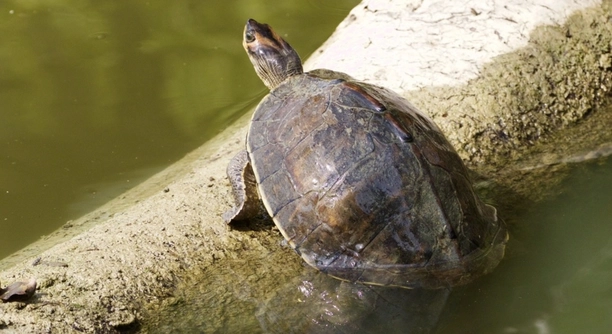
Indian Roofed Tortoises are known for their unique behaviors, but sometimes their aversion to water can leave owners puzzled. Understanding the reasons behind this behavior can help provide better care and improve their well-being.
The main reason your Indian Roofed Tortoise might avoid water is due to stress, discomfort, or poor environmental conditions. Factors like water temperature, tank cleanliness, and previous negative experiences can contribute to this behavior.
There are several factors that could be influencing your tortoise’s behavior. Identifying them will help you create a better habitat for your pet. Keep reading to learn how to encourage healthy water habits for your tortoise.
Stress or Anxiety in Your Indian Roofed Tortoise
Stress is one of the most common reasons an Indian Roofed Tortoise might avoid water. When tortoises are stressed, they may feel unsafe or uncomfortable in their environment, which makes them hesitant to approach water. Stress can come from various sources like a change in habitat, loud noises, or even the presence of other animals. If your tortoise has recently been relocated or if there have been changes to its surroundings, it might be feeling unsettled.
A stressed tortoise will likely stay away from water sources and show other signs of discomfort, like hiding or reduced activity. Keeping their environment calm and familiar will help them feel more secure.
You can reduce stress by maintaining a consistent environment with proper lighting, temperature, and hiding spots. If your tortoise has been stressed due to a move or a sudden change, it’s essential to give them time to adjust. Patience and stability are key to easing their anxiety and encouraging them to use their water source again.
Incorrect Water Temperature
The temperature of the water is another factor that can make your tortoise avoid it. Tortoises are cold-blooded animals, and if the water is too cold or too hot, they won’t want to enter it. Ideal water temperatures range between 75°F and 85°F (24°C – 29°C). If the water is outside of this range, it can cause discomfort or even harm.
For an Indian Roofed Tortoise, maintaining the right water temperature is crucial. If the water is too cold, they may avoid it as they can’t regulate their body heat properly. On the other hand, excessively hot water can stress their system and lead to dehydration.
To ensure your tortoise enjoys its water, make sure you’re checking the water temperature regularly with a reliable thermometer. Using a water heater to regulate the temperature can help create a more inviting environment. Monitoring this simple detail can make a significant difference in your tortoise’s behavior.
Poor Water Quality
Dirty water is another reason why your Indian Roofed Tortoise might be avoiding it. If the water is contaminated, smelly, or murky, your tortoise will instinctively stay away. Clean water is vital for their overall health and comfort.
Regular water changes and proper filtration are necessary to keep the water fresh. Tortoises are sensitive to pollutants, and anything that makes the water unpleasant can cause them to avoid it. You should aim to clean their water dish at least once a day and change the water weekly.
Use a proper filtration system to ensure the water stays clean longer. A filter can help eliminate waste, debris, and bacteria that could build up quickly. Clean water encourages your tortoise to stay hydrated and engage with its environment. Make sure the water is clear and free of any particles before offering it.
Negative Past Experiences with Water
If your tortoise has had negative experiences with water, like an accidental spill or a bath they didn’t enjoy, it could develop a fear of water. These past experiences leave a lasting impact, making your tortoise wary of water sources.
Some tortoises may associate water with discomfort, such as feeling trapped or being forcefully submerged during a bath. If your tortoise was stressed by water in the past, it may avoid it in the future. Understanding this helps you approach the situation with care and patience.
To rebuild trust, try offering smaller, more comfortable water experiences. You can start by placing shallow water and allowing your tortoise to dip its feet. Avoid forcing them into the water, as this could deepen their fear. Positive associations will help your tortoise feel safe and comfortable around water again.
Inadequate Space for Bathing
If your tortoise’s space is too small, it may not feel comfortable going near the water. Tortoises need room to move around freely and feel secure. A cramped environment can create stress, making your tortoise avoid water sources altogether.
Ensure that the enclosure is large enough for your tortoise to move about comfortably. A small space can create feelings of confinement and lead to avoidance behavior. Consider adding more room for your tortoise to explore so it can use water at its own pace.
Overwhelming Environment
An overly stimulating environment can also deter your tortoise from entering the water. Bright lights, loud noises, or too many objects in their enclosure can overwhelm them. Tortoises need a peaceful, calm environment to thrive.
Try to minimize distractions and create a more soothing atmosphere. You can achieve this by dimming the lights or adjusting the setup so that the space feels less chaotic. Tortoises appreciate an environment that feels natural and quiet, which may encourage them to interact with their water source more freely.
FAQ
Why is my Indian Roofed Tortoise not drinking water?
If your Indian Roofed Tortoise is not drinking water, it could be due to various reasons like stress, poor water quality, or inadequate space. Sometimes, the water may be at an uncomfortable temperature, or the tortoise may simply not feel safe in its environment. Another factor to consider is that tortoises don’t always drink water as frequently as other animals. They may be getting hydration from food or a nearby water source like a shallow pool. Keep an eye on their behavior, and ensure their environment is stress-free and comfortable.
How often should I change the water for my tortoise?
Water should be changed regularly to maintain a healthy environment for your tortoise. Ideally, the water should be changed every day to prevent any bacteria build-up or contamination. If your tortoise has access to a water dish or shallow pool, clean it daily and replace the water with fresh, filtered water. You can also clean the water dish with non-toxic soap and rinse it thoroughly to prevent any residue. Regular water changes are vital for your tortoise’s health.
Can my tortoise get dehydrated if it avoids water?
Yes, dehydration is a concern if your tortoise avoids water for an extended period. Tortoises rely on water to stay hydrated, and a lack of access or willingness to drink could lead to dehydration. Signs of dehydration include a dry or sunken appearance to the eyes, lethargy, and changes in the texture of their skin. If your tortoise is refusing water, check the water temperature, cleanliness, and environment to identify possible reasons for the avoidance. In severe cases, dehydration can lead to health problems, so be sure to address it promptly.
What should I do if my tortoise is scared of water?
If your tortoise is scared of water, it’s important to go slow and reintroduce it in a gentle, positive manner. Start by offering small, shallow amounts of water and allowing your tortoise to explore it at its own pace. Avoid forcing it into the water, as this could worsen the fear. If your tortoise had a past negative experience with water, it might take time to build trust again. You can try using a shallow dish or giving them access to a small, calm pool that feels less intimidating.
Is it normal for my tortoise to avoid water during winter?
Yes, it is quite common for tortoises, including the Indian Roofed Tortoise, to reduce their water intake during colder months. During winter, their metabolism slows down, and they may not require as much water. It’s important to maintain a suitable temperature in their enclosure, so they don’t become stressed or dehydrated. If you notice your tortoise is avoiding water during the colder months, ensure the water temperature is warm enough and keep their habitat comfortable. However, if it continues to refuse water, consult with a vet.
Can the water temperature affect my tortoise’s behavior?
Yes, water temperature plays a significant role in your tortoise’s willingness to enter and drink water. If the water is too cold, your tortoise might avoid it, as it can be uncomfortable for them. Similarly, if the water is too hot, it can cause stress or even burn their skin. The ideal water temperature for your tortoise should be between 75°F and 85°F (24°C – 29°C). Ensure the water is always at a comfortable temperature to avoid any aversion to it and encourage your tortoise to drink more.
How do I encourage my tortoise to bathe?
If your tortoise is reluctant to bathe, try to make the experience more inviting. You can start by using shallow water in a small dish and gradually increase the depth as your tortoise gets more comfortable. You should also ensure the water temperature is appropriate, not too hot or cold. Keep the bathing area quiet and free of distractions, and never force your tortoise into the water. Bathing should be a calm, positive experience, and it may take time for your tortoise to build trust.
What signs indicate my tortoise might not be getting enough water?
Signs that your tortoise may not be drinking enough water include dry or flaky skin, sunken eyes, and a lack of energy. If you notice your tortoise’s shell is drier than usual or they seem unusually lethargic, it could be a sign of dehydration. Dehydration can lead to serious health issues like kidney problems or urinary issues. Providing fresh, clean water and ensuring your tortoise is comfortable with it can help prevent these problems. Always keep an eye on your tortoise’s hydration levels to avoid health concerns.
Can my tortoise drown in the water?
While tortoises are excellent swimmers, they can still drown if they are not provided with an appropriate water depth or if they are unable to escape the water. It’s essential to provide a shallow water area where they can easily climb in and out. If you’re using a pool, make sure the sides are low enough for your tortoise to climb out easily. A shallow, secure water source helps prevent drowning while allowing your tortoise to drink and bathe safely.
Why does my tortoise prefer dry environments over water?
Some tortoises prefer dry environments, particularly species that come from arid or semi-arid regions. If your Indian Roofed Tortoise seems to avoid water, it could simply be due to its natural instincts and habitat preferences. These tortoises are often found in areas with limited water sources and may not feel the need to spend time in the water. However, it’s still essential to provide a water source and monitor their behavior to ensure they’re staying hydrated and healthy.
Can I add supplements to my tortoise’s water to encourage drinking?
Adding supplements to your tortoise’s water is not recommended as a way to encourage drinking. Tortoises should drink clean, fresh water without added chemicals or substances. Introducing supplements might alter the taste of the water or irritate their digestive system. It’s better to focus on improving their overall environment—keeping the water clean, maintaining the right temperature, and ensuring their space is comfortable—to encourage hydration. If you feel supplementation is necessary, consult with a vet for the best approach.
Final Thoughts
Understanding why your Indian Roofed Tortoise might be avoiding water is key to providing the best care for it. There are several reasons why a tortoise might stay away from water, including stress, environmental factors, or poor water quality. Recognizing these signs and addressing the root causes will help improve your tortoise’s behavior and health. Tortoises can be sensitive creatures, so creating a comfortable, calm environment is essential for them to thrive. If you notice that your tortoise is avoiding water, take the time to assess its surroundings and habits to find out what might be causing the issue.
Water plays an important role in your tortoise’s hydration and overall well-being. Tortoises do not always drink large amounts of water, but they still need access to fresh, clean water regularly. Offering a shallow, easy-to-access water dish or small pool can encourage your tortoise to interact with water more comfortably. It’s also important to make sure that the water temperature is just right—neither too cold nor too hot—as this can directly impact their willingness to drink or bathe. Regularly changing the water and maintaining a clean environment will help keep your tortoise healthy.
If your tortoise is still avoiding water after addressing the obvious factors, it may be helpful to consult a vet. Sometimes there can be underlying health issues that make them avoid drinking or bathing. By paying attention to their behavior and adjusting their environment accordingly, you can ensure that your tortoise remains happy, hydrated, and healthy. Be patient and consistent with your efforts, as it may take time for your tortoise to feel comfortable with water again. With the right care and attention, your Indian Roofed Tortoise will feel more at ease and start to enjoy its water again.

Hello,
If you enjoy the content that we create, please consider saying a "Thank You!" by leaving a tip.
Every little bit helps us continue crafting quality advice that supports the health, happiness, and well-being of pets around the world, for pets of all shapes, sizes, and species.
We really appreciate the kindness and support that you show us!