
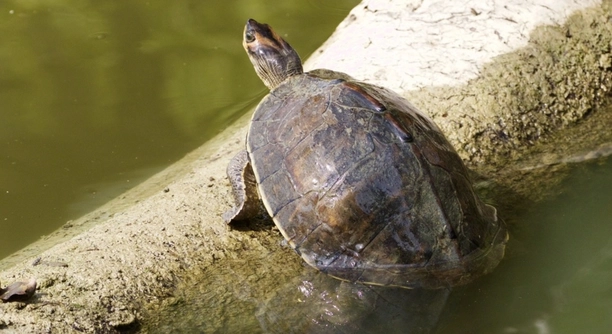
Caring for Indian Roofed Tortoises involves creating a safe, comfortable environment. However, some common mistakes in their enclosures can lead to health issues and stress. Knowing what to avoid is key to their well-being.
There are several common mistakes that can harm Indian Roofed Tortoises. These include improper heating, incorrect substrate, inadequate space, and lack of humidity control, all of which can cause physical harm or stress, leading to poor health in these creatures.
Improper enclosure setups can affect your tortoise’s health and behavior. Learning the most frequent mistakes will help you provide a safer environment for your pet.
1. Inadequate Heating
Tortoises need a warm environment to thrive. If your enclosure isn’t properly heated, your tortoise could suffer from a weakened immune system or digestive issues. It’s essential to provide a temperature gradient within the enclosure, with a basking area around 90°F and cooler areas around 75°F. Without this, your tortoise may not be able to regulate its body temperature, leading to stress and health problems. Using a reliable heat source such as a ceramic heat emitter or UVB bulb can prevent such issues.
An improper heat source can cause serious long-term effects on your tortoise’s health, making it essential to maintain an appropriate temperature range.
Many owners think they can use a simple light bulb for warmth, but this is not enough. Tortoises need both heat and UVB light to metabolize calcium properly. Without proper lighting, your tortoise may develop shell deformities or other health issues. Ensure your pet’s enclosure has a temperature that mimics its natural habitat, and monitor the environment regularly to avoid any risks. Proper heating is vital for your tortoise’s overall health and well-being.
2. Incorrect Substrate Choices
Choosing the right substrate is crucial for your tortoise’s health and comfort. A substrate that holds moisture too long can cause fungal infections, while dry, dusty materials can irritate their respiratory system. Natural options like coconut coir or safe, dry grass hay can be good choices for maintaining a balance.
Using the wrong substrate can lead to respiratory problems and even injuries to your tortoise’s sensitive limbs and shell.
It’s important to avoid using substrates such as sand or pine shavings, as they may harm your tortoise in the long run. Sand can lead to impaction if ingested, and pine shavings can cause respiratory issues due to the oils they release. Opt for a loose, absorbent material like coconut coir, which keeps moisture levels under control and is comfortable for your tortoise to walk on. Substrate choices should also allow for easy cleaning to maintain a healthy environment. Always aim for a natural feel that mirrors their native habitat.
3. Too Small of an Enclosure
A cramped enclosure can cause your tortoise to feel stressed and restricted. It’s important to give your pet enough space to roam, bask, and hide. An enclosure that’s too small prevents them from exercising, which could lead to physical and behavioral problems.
Tortoises are active creatures that require space to move around. A small enclosure can lead to issues like obesity, shell deformities, or stress. A good rule of thumb is to provide at least 4 square feet of space per tortoise. This allows for freedom of movement and access to different areas within the enclosure, which is essential for their health. Bigger is always better when it comes to their living space.
When setting up the enclosure, be sure to divide it into different sections—basking areas, hiding spots, and cool zones. This allows your tortoise to control its environment by moving to different areas as needed. A large, well-designed space keeps them more active and comfortable. Make sure the space is secure, too, so they cannot escape or injure themselves.
4. Lack of Proper Humidity
Humidity is essential for the health of Indian Roofed Tortoises, especially for their skin and respiratory system. If the air is too dry, your tortoise may develop shell problems or respiratory issues. It’s important to maintain the right level of humidity in their habitat.
Proper humidity control is especially necessary during the warmer months or if you’re in a dry climate. Adding water dishes or a humidity chamber to the enclosure can help keep the environment comfortable. Mist the enclosure occasionally to ensure moisture levels remain steady. Using a hygrometer can help you monitor the humidity to make sure it stays within the recommended range of 50-60%.
Inadequate humidity can also affect the health of your tortoise’s shell. Without the right moisture levels, the shell may become brittle, which can lead to cracks or other health problems. By maintaining a balanced environment, your tortoise will remain healthier, more active, and happier in their enclosure.
5. Inconsistent Lighting
Proper lighting is critical for your tortoise’s health. Without enough UVB light, they may suffer from calcium deficiencies and shell problems. A consistent lighting schedule is essential to mimic day and night cycles, allowing your tortoise to regulate its internal clock.
UVB lighting helps tortoises synthesize vitamin D3, which is essential for calcium absorption. Without it, your pet may develop metabolic bone disease. Always use a high-quality UVB bulb designed for reptiles. Keep the light on for 10-12 hours a day and replace bulbs every six months to ensure they provide adequate UVB rays.
It’s also important to provide a heat source along with UVB. These two factors work together to create a balanced environment where your tortoise can thrive. Setting timers for both the heat and UVB lights will ensure your tortoise gets the proper amount of exposure each day.
6. Unsafe or Unstable Furniture
Providing stable, safe furniture in your tortoise’s enclosure is essential. Items like rocks, logs, or hides should be securely placed to prevent accidents. Unstable furniture can cause injuries if it falls or shifts.
Furniture like rocks and logs can give your tortoise a place to hide, climb, and bask. However, they must be securely positioned to avoid tipping over. Always check that any heavy or large items are firmly placed, as a fallen object can injure your pet.
Consider using soft hides or low, sturdy structures that don’t present any risks to your tortoise. Avoid sharp or jagged edges that could cause injury. A safe environment helps your tortoise feel secure and prevents unnecessary stress.
7. Overfeeding or Improper Diet
Feeding your tortoise the wrong food or overfeeding it can lead to health issues. Tortoises need a balanced diet rich in fiber and low in fat. A diet heavy in protein or fruit can lead to obesity and other problems.
Offer a variety of leafy greens, flowers, and grasses for a well-rounded diet. Avoid feeding high-protein foods like meat or excessive amounts of fruit, as this can disrupt their digestion and lead to health concerns. Stick to natural, safe foods found in their native environment.
An overfed tortoise may not be as active, and it can result in shell deformities or metabolic disorders. Make sure your tortoise’s diet is properly balanced and portioned. Always research the best foods for their species, and avoid overfeeding to keep your pet in good shape.
FAQ
What temperature should I keep my Indian Roofed Tortoise enclosure at?
Maintaining the correct temperature is essential for your tortoise’s health. The basking area should be around 90°F, while the cooler side of the enclosure should be around 75°F. This temperature range mimics their natural environment and helps them regulate their body temperature. It’s important to have a temperature gradient so your tortoise can move between different areas to maintain its comfort and health. Always use a reliable thermometer to monitor the temperature, and adjust heating sources as necessary to avoid overheating or chilling.
How often should I feed my Indian Roofed Tortoise?
Feeding your tortoise daily is best, especially when it’s young and still growing. Adults can be fed every other day, depending on their individual needs and size. A balanced diet of dark leafy greens, grasses, and edible flowers is essential for good health. Make sure to avoid overfeeding and always provide fresh water for hydration. Overfeeding can cause obesity, leading to health issues like shell deformities or metabolic problems. Stick to a consistent feeding schedule to maintain healthy habits and ensure that your tortoise gets the necessary nutrients.
Can I use sand as substrate for my Indian Roofed Tortoise?
It’s not recommended to use sand in your tortoise’s enclosure. Sand can lead to digestive issues, especially if ingested. Tortoises often try to dig and eat whatever is around them, and sand can cause impaction, which can be dangerous and sometimes fatal. Instead, opt for substrates like coconut coir or organic grass hay, which are safer and easier to clean. These materials are more comfortable for your tortoise and provide a more natural environment that supports their well-being.
What should I do if my tortoise isn’t eating?
If your tortoise isn’t eating, it’s important to first check its environment. Ensure the temperature, humidity, and lighting are within the appropriate ranges. Stress from improper environmental conditions is often the main reason tortoises stop eating. If the conditions are good, consider their diet. Tortoises may refuse food if they’re being offered something they don’t like or if the food isn’t fresh. Also, check if your tortoise is showing signs of illness, such as lethargy or a lack of appetite over a prolonged period, which may require a vet visit.
How long can my Indian Roofed Tortoise live in captivity?
Indian Roofed Tortoises can live for decades if cared for properly. Their lifespan in captivity typically ranges from 50 to 80 years. This long life expectancy makes it especially important to provide them with the right environment, diet, and attention throughout their lives. Regular check-ups with a reptile vet and consistent care will help ensure they live a long and healthy life. Keep in mind that the older they get, the more attention their health may require, especially in terms of diet and preventing diseases.
What should I do if my tortoise is trying to escape?
If your tortoise is attempting to escape, it’s usually a sign that the enclosure doesn’t meet its needs. First, check if the enclosure is too small or if the environment is uncomfortable, like being too hot, too cold, or lacking sufficient hiding spots. Ensure that the enclosure has secure sides and a roof to prevent escapes. You can also enrich the environment by adding more hiding spots, plants, or different textures to encourage exploration without feeling the need to escape. A more natural and stimulating environment can help keep your tortoise content.
Can I keep more than one Indian Roofed Tortoise together?
It’s possible to house multiple Indian Roofed Tortoises together, but it requires careful consideration. These tortoises are generally solitary creatures in the wild, and keeping more than one together can sometimes lead to territorial disputes, especially if space is limited. If you choose to house more than one, make sure the enclosure is large enough for each tortoise to have its own space. Monitor their behavior regularly to ensure they’re not showing aggression or stress. Providing multiple basking spots and hiding areas can help reduce conflicts.
How often should I clean my tortoise’s enclosure?
Regular cleaning is essential to maintaining a healthy environment. It’s a good idea to clean the enclosure thoroughly once a week, removing old food, waste, and dirty substrate. Spot clean daily by removing waste and checking the water dishes. Ensure that the substrate remains dry and clean, as a damp, dirty environment can lead to infections or other health problems. Depending on the substrate used, you may need to replace it every month or so to keep the enclosure fresh and odor-free.
What kind of lighting does my tortoise need?
Indian Roofed Tortoises require both UVB lighting and heat sources. UVB lighting helps them synthesize vitamin D3, which is crucial for calcium absorption and overall health. You should have a UVB light for about 10-12 hours a day. The heat source should maintain the basking area at around 90°F and be kept on a timer to mimic natural day and night cycles. Make sure the UVB bulb is replaced every six months, as it loses effectiveness over time. Proper lighting is critical for preventing metabolic bone disease and supporting your tortoise’s general health.
Do I need to give my tortoise a bath?
Bathing your tortoise is a great way to help with hydration, especially if they aren’t drinking enough water on their own. A shallow bath in lukewarm water for 15-20 minutes a few times a week can help keep your tortoise hydrated and promote healthy bowel movements. Never leave them in the water unattended, and make sure they can easily climb out of the bath if needed. However, bathing should not replace providing fresh water in their enclosure at all times.
Final Thoughts
Taking care of an Indian Roofed Tortoise can be a rewarding experience, but it does come with responsibility. These creatures require specific care to stay healthy and happy, and their enclosures need to be well-maintained. From the right temperature to the proper lighting, each aspect of their habitat plays a crucial role in their overall well-being. If you get the basics right—such as providing a proper heat source, adequate space, and a suitable diet—you’re well on your way to creating a safe environment for your tortoise to thrive.
It’s easy to overlook certain details when setting up an enclosure, but even small mistakes can cause big problems for your tortoise. Incorrect lighting, unsuitable substrates, or inadequate space can lead to health issues that may affect your pet’s lifespan. By avoiding these common mistakes, you can ensure that your tortoise remains active, healthy, and happy. Regular checks and maintenance are key. Make sure to adjust the enclosure as your tortoise grows and its needs change. Keep an eye on things like temperature, humidity, and food, and don’t hesitate to consult a vet if you notice any signs of distress.
Ultimately, being proactive and mindful of your tortoise’s needs will go a long way in preventing issues. Providing the right environment and making sure their health is well cared for will result in a long, fulfilling life for your tortoise. With the right setup and attention, you can enjoy having your tortoise as a companion for many years. Taking the time to learn about their needs and avoiding common pitfalls ensures that your tortoise can enjoy a comfortable, stress-free life in its enclosure.

Hello,
If you enjoy the content that we create, please consider saying a "Thank You!" by leaving a tip.
Every little bit helps us continue crafting quality advice that supports the health, happiness, and well-being of pets around the world, for pets of all shapes, sizes, and species.
We really appreciate the kindness and support that you show us!