
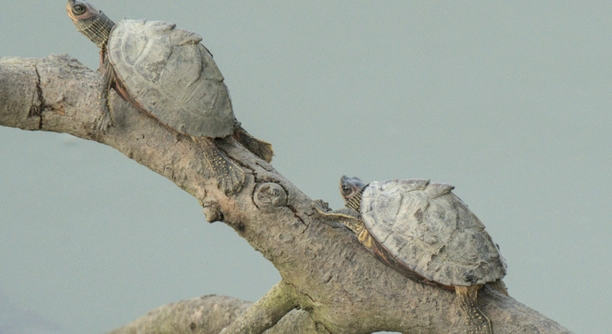
Are you curious about the differences between male and female Indian roofed tortoises? Knowing how to tell them apart can be helpful for their care and understanding their behavior.
Male and female Indian roofed tortoises differ in size, tail shape, and plastron curvature. Males typically have longer tails and a concave plastron, while females have shorter tails and a flat plastron. These distinctions play a role in their reproduction and behavior.
Understanding these physical and behavioral differences can help you identify your tortoise’s sex more easily and care for them properly.
Size Differences
Male and female Indian roofed tortoises differ noticeably in size. Males are usually smaller, with their shells measuring around 5 to 7 inches in length. Females, on the other hand, grow larger and can reach up to 9 inches. This size difference is common in many turtle species, as larger females can carry more eggs. If you have a tortoise at home, paying attention to its growth over time can give you a clue about its sex. Males also tend to have slimmer, more elongated bodies, while females have a broader and rounder shape. This difference is especially visible in adult tortoises once they have fully matured.
Male tortoises stay smaller because they do not need to carry eggs. Their smaller size helps them stay agile during mating, while the female’s larger body is better suited for reproduction.
If you want to identify your tortoise’s sex, comparing its size to others of the same age can be a helpful first step. However, this method is most reliable in adult tortoises since younger ones may not yet show clear differences.
Tail Shape
One of the easiest ways to tell male and female Indian roofed tortoises apart is by looking at their tails. Males have longer, thicker tails, while females have shorter, thinner ones.
The tail shape plays a key role in reproduction. Males need a longer tail to house their reproductive organs, while females do not. When observing your tortoise, look for the position of the tail as well. In males, the tail often curves slightly to one side and is positioned further away from the shell. Female tails are more centered and tucked closer to their body. This difference becomes more noticeable as the tortoise matures.
If you gently lift your tortoise (being careful to support its body), you can get a clearer view of the tail. Keep in mind that young tortoises may not show clear differences immediately. Waiting until they are fully grown will give you a more accurate identification. Tail shape, along with other physical features, provides a simple and effective way to tell the sex of your Indian roofed tortoise.
Plastron Shape
Male Indian roofed tortoises have a concave plastron, which is the underside of their shell. This curve helps them balance during mating. In contrast, females have a flat or slightly convex plastron, giving them more space to carry and lay eggs.
The plastron shape difference becomes more noticeable as the tortoise matures. When handling your tortoise, gently turn it over while supporting its body to observe the plastron. A curved plastron in males allows them to fit better against a female’s shell during reproduction. Females’ flatter plastrons give them the internal space needed to develop eggs. This method is a reliable way to identify their sex once they reach adulthood.
If your tortoise is still young, the plastron may appear flat regardless of sex. Waiting until the tortoise is fully grown provides a more accurate identification. Combining this observation with other physical traits increases your chances of correctly identifying its sex.
Anal Vent Position
The position of the anal vent, or cloaca, is another clear difference between male and female Indian roofed tortoises. Males have their vent located further from the base of the shell, while females have it positioned closer to their body.
This distinction is linked to reproductive needs. In males, the vent’s location allows for easier mating, while in females, the closer position aids in laying eggs. To check this feature, gently lift the tortoise and observe the underside of the tail. Males often have a more elongated tail with the vent sitting near the tip, while females have a shorter tail with the vent closer to the shell.
This method is most accurate in adult tortoises. Young tortoises may not yet show a noticeable difference in vent position. Using this observation along with other physical characteristics offers a clearer way to determine whether your tortoise is male or female.
Tail Base Width
Male Indian roofed tortoises have a wider tail base compared to females. This is because their reproductive organs are located inside the tail. In contrast, females have a narrower tail base since they do not require the extra space for reproductive structures.
The difference in tail base width is easiest to notice in adult tortoises. When comparing two tortoises of the same age, the male’s tail will look thicker and more robust. Carefully observe the tail’s width when your tortoise is relaxed, as they may tuck it in when feeling stressed or threatened.
Behavior Differences
Male Indian roofed tortoises tend to be more active and may display territorial behavior. During the breeding season, males might become more aggressive toward other males or show courtship behaviors toward females. Females are usually calmer and more focused on nesting when preparing to lay eggs.
Shell Shape
Male tortoises often have a slightly longer and narrower shell, while females usually have a broader, more rounded shell. This difference allows females to carry eggs comfortably and gives males better mobility during mating. Observing these subtle variations can help when identifying the sex of your tortoise.
FAQ
How can I tell if my Indian roofed tortoise is male or female?
The most straightforward way to tell the sex of your Indian roofed tortoise is by examining a few physical traits. Males typically have a concave plastron, longer tails, and a wider tail base. Females, on the other hand, have a flat or slightly convex plastron, shorter tails, and a narrower tail base. These differences become more noticeable as the tortoise matures. Additionally, males may show more active and territorial behaviors, especially during the breeding season. Combining these observations will give you a clear idea of your tortoise’s sex.
Do male and female Indian roofed tortoises behave differently?
Yes, male and female Indian roofed tortoises exhibit distinct behaviors, especially during mating season. Males tend to be more active, aggressive, and may display courtship behaviors toward females. They might also engage in more territorial actions, such as chasing other males or head-bobbing. Females, in contrast, are generally calmer and more focused on nesting when it’s time to lay eggs. Their behavior is more passive, particularly when they are not in the breeding cycle. Understanding these behaviors helps in managing and observing your tortoise’s needs.
Does the size difference between male and female tortoises affect their care?
The size difference between male and female Indian roofed tortoises doesn’t significantly impact their overall care, but it may affect certain aspects like their diet and living space. Females, being larger, may require slightly more room to roam and explore. This is especially true if you have multiple tortoises in the same enclosure. Additionally, a larger tortoise may need more food to sustain its size, although the difference in food intake is usually minor. As long as you ensure both males and females are provided with proper space and nutrition, their care requirements are largely the same.
At what age can I identify the sex of my Indian roofed tortoise?
Sexual dimorphism in Indian roofed tortoises, such as differences in plastron shape, tail length, and body size, becomes more apparent as they reach maturity. This usually occurs when the tortoises are around 3 to 5 years old. Before this age, the differences are subtle and harder to detect. Younger tortoises may appear similar in size and shape, so it’s best to wait until they are fully grown before attempting to identify their sex. If you are unsure, it’s always a good idea to consult with a vet who can help identify their sex.
Why do male tortoises have longer tails than females?
Male Indian roofed tortoises have longer tails as part of their reproductive anatomy. The tail houses their reproductive organs, which are longer and more robust compared to those in females. The length of the tail makes it easier for the male to mount the female and successfully copulate. In contrast, females do not require such a long tail, as their reproductive organs are located closer to their bodies. This difference helps in distinguishing between males and females, especially in mature tortoises.
Is the plastron shape the most reliable way to determine sex?
While the plastron shape is one of the most reliable ways to differentiate male from female Indian roofed tortoises, it is not the only factor. Males have a concave (curved inward) plastron, which helps them align with the female during mating. Females have a flatter or slightly convex plastron, giving them more space for egg development. However, relying solely on plastron shape may be misleading in younger tortoises that haven’t fully matured. Combining this trait with tail shape and behavior will give a more accurate identification of your tortoise’s sex.
Are there other ways to tell if my tortoise is male or female?
Yes, there are a few other characteristics that can help differentiate between male and female Indian roofed tortoises. Male tortoises usually have a wider tail base to accommodate their internal reproductive organs. They also often exhibit more territorial behavior, such as chasing or head-bobbing. Females are generally less active and more focused on nesting, especially during the breeding season. The position of the anal vent is also a clue—males tend to have their vent positioned farther from the body, while females’ vents are closer to their shell. Observing these traits in combination gives a clearer picture of your tortoise’s sex.
Do Indian roofed tortoises need a mate to breed?
Indian roofed tortoises can breed successfully with a mate of the opposite sex. However, if you only have one tortoise, there is no need for concern. Tortoises do not require mates for survival, but if you want to breed them, you’ll need both a male and a female. Keep in mind that breeding should only be done when you’re ready to care for the potential offspring. It’s important to consider the space, time, and resources required to raise baby tortoises before deciding to breed.
Can male and female tortoises live together?
Yes, male and female Indian roofed tortoises can live together in the same enclosure, but there are some considerations to keep in mind. If both tortoises are adults, it’s important to monitor their interactions closely, especially during mating season. Male tortoises can become aggressive, and if there are multiple males, they may fight for dominance. Female tortoises are generally more peaceful but can be stressed if the male is overly persistent during the breeding season. Providing enough space, hiding spots, and resources can help reduce stress and ensure a more peaceful environment.
Can I keep multiple males together in the same enclosure?
It’s not recommended to keep multiple male Indian roofed tortoises in the same enclosure. Males are territorial and may become aggressive toward each other, especially during the breeding season. They might fight for dominance or mating rights, which can lead to injury or stress. If you do choose to house multiple males, ensure there is plenty of space, hiding spots, and resources to reduce conflict. Alternatively, you can separate them by enclosures to prevent aggressive behavior and ensure a healthier environment for all tortoises.
Final Thoughts
Identifying the sex of your Indian roofed tortoise can be a helpful skill, especially if you want to understand their behavior and provide proper care. While there are several physical characteristics that can help you distinguish between males and females, such as tail length, plastron shape, and size, the most reliable way is to look for these differences once the tortoises have matured. Younger tortoises may not show clear distinctions, making it harder to determine their sex early on. As they grow older, however, the differences become much more noticeable, especially when combined with behavioral observations.
Understanding these differences is not just about curiosity; it can also help improve their care. For example, knowing the sex of your tortoise can help you create a more suitable living environment, especially if you are housing multiple tortoises together. Male tortoises can be more aggressive and territorial, while females might focus more on nesting during certain times of the year. Knowing these patterns can help you manage their interactions and ensure they are not stressed. Additionally, knowing the sex of your tortoise can help you plan for breeding, should that be your intention.
In the end, while it’s useful to know the sex of your Indian roofed tortoise, it’s also important to remember that both males and females require the same basic care. Proper diet, a spacious habitat, and regular health checks are essential for both sexes. The physical traits that differentiate them can be interesting to observe, but they don’t change the core aspects of tortoise care. Whether you have a male or female, providing a safe and healthy environment for your tortoise is what matters most in ensuring their well-being.

Hello,
If you enjoy the content that we create, please consider saying a "Thank You!" by leaving a tip.
Every little bit helps us continue crafting quality advice that supports the health, happiness, and well-being of pets around the world, for pets of all shapes, sizes, and species.
We really appreciate the kindness and support that you show us!