
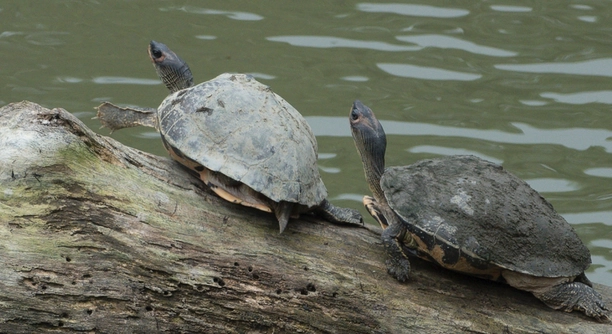
Is your Indian roofed tortoise spending more time in its water dish than usual? This behavior can be puzzling for pet owners who want to ensure their tortoise is happy and healthy.
Indian roofed tortoises often sleep in their water dish due to environmental factors like low humidity, dehydration, or temperature imbalances. This behavior may also indicate that your tortoise is seeking comfort or relief from dryness.
Understanding why your tortoise prefers its water dish can help you create a better living environment. Small adjustments can make a big difference in ensuring your pet stays healthy and comfortable.
Common Reasons Your Indian Roofed Tortoise Sleeps in Its Water Dish
Indian roofed tortoises may sleep in their water dish for a variety of reasons. One common cause is low humidity. These tortoises need a humid environment to stay comfortable, and if the air is too dry, they may seek moisture in their water dish. Another reason could be temperature issues. If the habitat is too warm or too cold, your tortoise might find the water dish to be a more comfortable spot. Dehydration can also lead them to spend more time in the water. Tortoises absorb moisture through their skin, so soaking helps them stay hydrated. Stress, shedding, or simply liking the sensation of water can also explain this behavior. Keeping an eye on their environment and daily habits can help you understand why they prefer the water dish.
A tortoise sleeping in its water dish is not always a sign of a serious problem, but it’s worth investigating.
To keep your tortoise healthy, monitor the habitat’s temperature and humidity levels. Ensure the water dish is clean and easy to access but not too large. Regularly observe your tortoise’s behavior to catch any signs of stress or illness. With a few adjustments, you can make their environment more comfortable.
How to Adjust the Habitat for Your Tortoise
Creating the right environment for your Indian roofed tortoise is essential for their well-being. Small changes can improve their comfort and reduce unusual behaviors like sleeping in the water dish.
Start by maintaining a consistent temperature between 75°F and 85°F, with a basking spot reaching 90°F. Use a thermometer to monitor the temperature accurately. Humidity levels should stay between 60% and 80% to keep their skin hydrated and support healthy shedding. Adding a humidity gauge can help you track this. Ensure the water dish is shallow and easy to climb in and out of, allowing your tortoise to soak without risk. Provide hiding spots to help them feel secure and reduce stress.
Regularly clean the habitat and check for any changes in behavior. Consistent care and attention to these details will help your tortoise stay comfortable and healthy.
Signs Your Tortoise May Be Uncomfortable
If your tortoise is spending too much time in its water dish, it may be a sign of discomfort. Watch for other behaviors like reduced activity, lack of appetite, or frequent hiding. These clues can help you identify potential issues with their habitat or health.
Changes in their shell appearance, like dryness or flaking, may also signal a problem. If the humidity is too low, their skin can become dry, leading them to seek moisture. Breathing issues, like wheezing or open-mouth breathing, can point to respiratory problems caused by incorrect temperature levels. If your tortoise seems restless or unusually inactive, these are additional signs that something may be off. Identifying these behaviors early helps prevent further complications and supports their overall well-being.
Pay attention to how long your tortoise stays in the water dish. Occasional soaking is normal, but extended periods could suggest stress or environmental issues. Consistently monitoring their behavior allows you to spot changes quickly. If you notice unusual signs combined with water dish sleeping, it may be time to adjust their habitat or consult a veterinarian for further guidance. Keeping track of their daily routines can help you understand what is normal and when something might be wrong.
Simple Ways to Make Your Tortoise Comfortable
Ensure your tortoise’s habitat meets their needs by maintaining proper temperature and humidity levels. Use a reliable thermometer and hygrometer to track these conditions. Providing a balanced environment helps prevent discomfort and reduces the chances of unusual behaviors.
Add natural hiding spots like logs or small shelters. These areas offer a sense of security, which can help reduce stress. Ensure the water dish is shallow and easy for your tortoise to access without difficulty. Regularly clean the dish to keep the water fresh. Offering a variety of foods, such as leafy greens and calcium-rich vegetables, also supports their health. Consistency in their environment promotes comfort and reduces behavioral changes.
Adjusting the lighting is also important. Use a UVB light to help your tortoise absorb calcium and maintain a healthy shell. This light should be on for 10-12 hours daily to mimic natural sunlight. Regularly observing their behavior and making small adjustments can significantly improve their quality of life.
How Often Should a Tortoise Soak in Water?
Indian roofed tortoises benefit from regular soaking to stay hydrated. Aim to let your tortoise soak two to three times a week for about 20-30 minutes. This helps maintain proper hydration levels and supports healthy skin and shell condition.
Younger tortoises may need more frequent soaking because they dehydrate faster. If your tortoise is shedding or appears dry, you can increase the soaking sessions. Always monitor their behavior to ensure they are comfortable. Providing clean, fresh water daily allows them to soak when they need it.
When to Seek Veterinary Help
If your tortoise spends excessive time in the water dish despite environmental adjustments, consult a veterinarian. Prolonged soaking combined with lethargy, loss of appetite, or respiratory issues may indicate an underlying health problem that requires professional care.
FAQ
Why does my tortoise sleep in the water dish at night?
Your tortoise may sleep in the water dish at night due to temperature imbalances. If the habitat is too warm or too cold, the water may feel like a more comfortable spot. Check that the nighttime temperature stays around 70°F to ensure a suitable environment.
Is it normal for a tortoise to soak every day?
Occasional soaking is normal, but daily soaking may indicate an issue. Your tortoise might be too dry due to low humidity or feel overheated. Ensure humidity levels are between 60% and 80%, and verify that the temperature falls within the appropriate range for their comfort.
Can too much soaking harm my tortoise?
Yes, excessive soaking can cause problems. Prolonged exposure to water may soften their shell or lead to skin issues. If your tortoise spends too much time in the water, evaluate the habitat’s conditions and consult a veterinarian if the behavior continues.
Should I remove the water dish if my tortoise sleeps in it?
No, do not remove the water dish. Tortoises need access to fresh water for hydration and soaking. Instead, focus on adjusting the temperature and humidity. Ensure the dish is shallow and easy to exit to prevent extended soaking.
What type of water dish is best for an Indian roofed tortoise?
A shallow, sturdy water dish works best. It should be large enough for your tortoise to soak comfortably but not so deep that they struggle to get out. Regularly clean the dish to keep the water fresh and prevent bacterial buildup.
Why does my tortoise sleep in water during shedding?
During shedding, tortoises may soak more often to soften and remove old skin. This behavior helps ease the shedding process and prevents skin irritation. Ensure proper humidity and offer gentle misting to support healthy shedding and skin care.
Can stress cause a tortoise to sleep in its water dish?
Yes, stress can lead to unusual behaviors like sleeping in the water dish. Changes in the environment, loud noises, or improper handling can cause stress. Providing hiding spots and a quiet habitat can help your tortoise feel safe and reduce stress-related behaviors.
How do I know if my tortoise is dehydrated?
Signs of dehydration include dry skin, sunken eyes, and lethargy. If your tortoise soaks frequently, it might be trying to stay hydrated. Regular soaks and maintaining humidity levels between 60% and 80% can prevent dehydration and keep your tortoise healthy.
Is it okay for baby tortoises to sleep in the water dish?
Baby tortoises may soak more often because they are more prone to dehydration. However, if they sleep in the water dish frequently, check the habitat’s temperature and humidity. Always provide a shallow dish to prevent accidental drowning and monitor their behavior closely.
What should I do if my tortoise stops using the water dish?
If your tortoise stops soaking, they may feel too cold or stressed. Ensure the habitat is warm enough and that the water dish is easily accessible. Observe their behavior for any signs of illness and consult a veterinarian if the issue persists.
Why does my tortoise only soak during the day?
Tortoises are often more active during daylight hours, making it normal for them to soak during the day. Ensure they have a consistent light cycle with 10-12 hours of UVB exposure to mimic natural conditions and support their health.
Can a dirty water dish affect my tortoise’s health?
Yes, a dirty water dish can cause bacterial infections or shell rot. Clean the dish daily with warm water and mild soap. Keeping the water clean reduces the risk of illness and encourages your tortoise to soak comfortably.
What other behaviors should I watch for if my tortoise sleeps in the water dish?
Look for signs like reduced appetite, lethargy, or breathing issues. These symptoms, combined with frequent soaking, may indicate an underlying health problem. If you notice any concerning behavior, seek advice from a reptile veterinarian.
Final Thoughts
If your Indian roofed tortoise keeps sleeping in its water dish, it is usually a sign that something in their environment needs adjustment. Factors like temperature, humidity, and hydration all play a role in their behavior. Regularly checking these conditions helps ensure your tortoise remains healthy and comfortable. Small changes, like maintaining proper humidity levels or offering hiding spots, can make a big difference in how your tortoise feels. Paying attention to their daily habits allows you to catch any problems early and prevent future issues.
It is normal for tortoises to soak occasionally, but excessive time in the water dish may suggest discomfort. By keeping their habitat clean and balanced, you create a safe and supportive space for your tortoise. Regularly cleaning the water dish and providing fresh water encourages natural soaking without the risk of illness. Monitoring their soaking behavior and other signs, such as appetite and energy levels, can help you identify when something is wrong. If environmental adjustments do not resolve the issue, consulting a veterinarian is a good next step.
Understanding your tortoise’s needs helps you provide the best care possible. Each tortoise is unique, and observing their behavior over time gives you valuable insight into their health. With the right conditions and attentive care, your tortoise can thrive in a comfortable and well-maintained habitat. By staying mindful of their environment and adjusting as needed, you support their long-term well-being and can enjoy many years with a happy, healthy tortoise.

Hello,
If you enjoy the content that we create, please consider saying a "Thank You!" by leaving a tip.
Every little bit helps us continue crafting quality advice that supports the health, happiness, and well-being of pets around the world, for pets of all shapes, sizes, and species.
We really appreciate the kindness and support that you show us!