
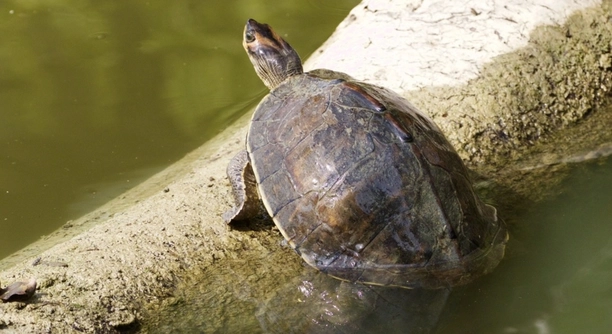
Keeping your Indian Roofed Tortoise healthy is essential, but various factors could be affecting its well-being. Understanding these issues is key to ensuring its health and comfort. This article explores the causes of common illnesses in tortoises.
The health of your Indian Roofed Tortoise may be compromised by factors such as improper diet, poor habitat conditions, stress, or bacterial infections. Each of these factors can contribute to a decline in your tortoise’s overall health, leading to sickness.
Identifying these problems early on is vital to improving your tortoise’s health and preventing further complications. By understanding the causes, you can provide better care and ensure a happy, healthy life for your tortoise.
Improper Diet
A poor diet is one of the most common reasons for your tortoise becoming sick. Indian Roofed Tortoises need a balanced diet of leafy greens, vegetables, and some fruits. Without the proper nutrients, they can suffer from malnutrition, leading to weak bones, shell deformities, and overall health problems. It’s crucial to provide a variety of foods to mimic their natural diet. Avoid feeding them high-protein foods like meat or processed items that are not suitable for them. Overfeeding fruits can also lead to digestive issues, so make sure to offer fruits in moderation.
A balanced diet ensures your tortoise receives essential vitamins and minerals, promoting better health and longevity.
To maintain a healthy diet for your tortoise, offer a variety of leafy greens, such as dandelion leaves, collard greens, and turnip greens. You can also give them some vegetables like zucchini or squash. A high-calcium food, such as dark leafy greens, is essential for their shell growth.
Poor Habitat Conditions
Your tortoise’s environment plays a huge role in its health. If the habitat isn’t set up correctly, it can lead to stress and illness. Tortoises need a warm, dry environment with access to a basking area. Humidity levels should be controlled to avoid respiratory problems.
Ensure the enclosure is large enough for your tortoise to move around freely. The substrate should be absorbent to prevent moisture buildup, which can lead to shell rot. Lighting is also vital, as it helps with calcium absorption. A UVB light source should be used for 10-12 hours a day.
Temperature regulation is essential. Provide a warm area with temperatures between 85-90°F during the day and a cooler area of about 70°F for nighttime. If your tortoise doesn’t have access to the correct temperature gradients, it can become sluggish and may develop metabolic bone disease.
Stress
Stress can have a significant impact on your tortoise’s health. Loud noises, sudden temperature changes, or overcrowding can cause anxiety. Make sure the enclosure is in a quiet, calm space to reduce stress.
Avoid handling your tortoise too often, as this can also be a source of stress. Let them feel safe in their environment, allowing them to come out and explore at their own pace.
Reducing stress is essential for a happy tortoise. Ensure they have plenty of hiding spots and a comfortable space to retreat when they need to rest. This will help them feel secure and healthy.
Bacterial Infections
Bacterial infections are common in tortoises, especially if their environment isn’t clean. These infections often affect the eyes, nose, or shell, causing discharge or swelling. Keeping the enclosure dry and cleaning it regularly can reduce the risk.
Use a reptile-safe disinfectant to clean your tortoise’s living area weekly. This will help prevent the buildup of harmful bacteria that could cause infection. Be mindful of the water quality in their habitat, as contaminated water can lead to illness.
If you notice signs of infection, such as lethargy, swollen eyes, or discharge, seek veterinary care promptly. Bacterial infections can worsen quickly if left untreated.
FAQ
What should I do if my tortoise isn’t eating?
If your tortoise isn’t eating, there could be several reasons. A common cause is stress, which can affect their appetite. Ensure that the enclosure is quiet, clean, and comfortable. Check the temperature and humidity levels, as an improper environment can cause a loss of appetite. If the conditions are correct and your tortoise is still not eating, it may be a sign of illness, and a vet visit is recommended.
How can I tell if my tortoise is sick?
Signs of illness in tortoises include lethargy, loss of appetite, nasal discharge, swollen eyes, or abnormal behavior. A healthy tortoise is active, alert, and will eat regularly. If you notice any unusual symptoms, it’s essential to take your tortoise to the vet for an accurate diagnosis and treatment.
How often should I clean my tortoise’s enclosure?
Regular cleaning is crucial for maintaining a healthy environment for your tortoise. Spot clean daily by removing waste and uneaten food. Deep clean the entire enclosure weekly using a reptile-safe disinfectant. This prevents the buildup of bacteria, which can cause infections and other health problems.
What type of lighting does my tortoise need?
Indian Roofed Tortoises require UVB lighting to help them absorb calcium and maintain healthy shell growth. A UVB bulb should be placed in the enclosure for 10-12 hours daily. Make sure the light is positioned correctly so your tortoise can bask under it, as they need direct exposure to reap the benefits.
Can I keep more than one tortoise together?
While it’s possible to house more than one tortoise, it’s generally better to keep them separately. Tortoises can be territorial and may become aggressive towards one another, especially if they feel their space is being invaded. If you do decide to house them together, ensure there’s enough space and hiding spots to minimize conflict.
What should I feed my Indian Roofed Tortoise?
Your tortoise’s diet should consist mainly of leafy greens, such as collard greens, dandelion leaves, and turnip greens. You can also offer vegetables like zucchini, squash, and bell peppers. Fruits should be given sparingly, as too much sugar can cause digestive issues. Avoid feeding them high-protein foods like meat.
Is my tortoise’s shell supposed to be soft?
A healthy tortoise should have a hard, smooth shell. A soft shell is a sign of metabolic bone disease, often caused by a calcium deficiency or improper lighting. To prevent this, make sure your tortoise has access to UVB lighting and a calcium-rich diet.
How do I keep my tortoise hydrated?
Provide fresh, clean water in a shallow dish for your tortoise to drink. Some tortoises may also benefit from occasional soaking in warm water for hydration, especially if they aren’t drinking enough. Ensure the water is not too deep to avoid drowning.
What temperature should my tortoise’s enclosure be?
Your tortoise’s enclosure should have a temperature gradient. The basking area should be between 85-90°F, while the cooler side should be around 70°F. This allows your tortoise to regulate its body temperature and maintain optimal health.
Can I take my tortoise outside?
It’s beneficial for tortoises to spend time outdoors in a controlled, safe environment. Outdoor exposure to natural sunlight provides the proper UVB rays that are essential for their health. Always supervise outdoor time, ensuring there’s a secure area where they can’t escape or get hurt.
What do I do if my tortoise’s shell has damage?
If your tortoise’s shell is cracked or damaged, seek veterinary care immediately. Shell injuries can lead to infection and other complications if not treated properly. The vet will assess the damage and may recommend treatment such as antibiotics or bandaging to protect the wound while it heals.
Why is my tortoise being inactive?
Tortoises are known for their slow pace, but if your tortoise is unusually inactive, it could be a sign of illness or improper conditions. Check the temperature and humidity levels of the enclosure. If everything seems in order, and the inactivity persists, take your tortoise to the vet for a checkup.
Can my tortoise get sick from eating spoiled food?
Yes, spoiled food can make your tortoise sick. Always remove uneaten food from the enclosure to avoid contamination. Check that the food you offer is fresh and hasn’t been left out for too long. Avoid feeding food that has been sitting at room temperature for more than a couple of hours.
What kind of substrate is best for my tortoise?
The best substrate for your tortoise is something that is absorbent and easy to clean, like coconut coir, reptile carpet, or orchid bark. Avoid using sand, as it can lead to digestive issues if ingested. The substrate should also help maintain proper humidity levels without becoming too damp.
How long do Indian Roofed Tortoises live?
Indian Roofed Tortoises have a relatively long lifespan, often living between 50 to 60 years in captivity with proper care. Providing a stable environment and a balanced diet will help them live a long, healthy life. Be prepared for the commitment of caring for them over several decades.
Final Thoughts
Taking care of an Indian Roofed Tortoise requires careful attention to their environment, diet, and overall health. These tortoises can live for many decades, so it’s important to make sure you are providing a stable and safe habitat for them. Proper lighting, temperature, and humidity are essential for their well-being. A well-maintained enclosure can help prevent many health issues and ensure they live a long, healthy life.
In addition to the physical environment, it’s crucial to pay attention to your tortoise’s behavior and health. Changes in eating habits, activity levels, or behavior can be signs of underlying problems. Regular monitoring and prompt action when needed will help catch potential health issues early. If you notice anything unusual, don’t hesitate to consult a vet with experience in reptiles.
Overall, caring for an Indian Roofed Tortoise can be very rewarding. By offering them the right care and attention, you can ensure they thrive for years to come. Whether you’re a first-time tortoise owner or have had one for some time, remember that consistency and observation are key. Creating a healthy and enriching environment will keep your tortoise happy and healthy.

Hello,
If you enjoy the content that we create, please consider saying a "Thank You!" by leaving a tip.
Every little bit helps us continue crafting quality advice that supports the health, happiness, and well-being of pets around the world, for pets of all shapes, sizes, and species.
We really appreciate the kindness and support that you show us!