
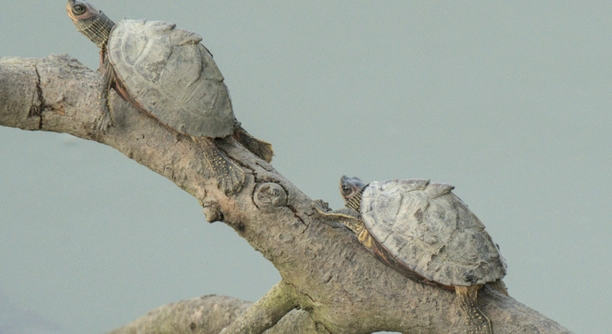
Are you planning to introduce two Indian roofed tortoises but want to ensure a smooth and stress-free process? Proper introductions are essential to prevent aggression and establish a harmonious environment, making it important to follow the right steps for success.
The safest way to introduce two Indian roofed tortoises is by using a gradual approach. Start with separate enclosures, allowing them to observe each other from a distance. Slowly increase supervised interactions, monitoring for signs of stress or aggression to ensure compatibility.
Taking the time to introduce them properly will help reduce territorial disputes and promote a peaceful coexistence. Creating a stress-free environment ensures their long-term well-being and strengthens their ability to thrive together.
Preparing Separate Enclosures
Creating a safe introduction starts with setting up separate enclosures. Each tortoise should have its own space with proper heating, lighting, and hiding spots. This setup helps them get used to their environment without feeling threatened. Placing the enclosures near each other allows them to observe and become familiar with each other’s presence. This reduces stress and helps them adjust before direct interaction. Consistency in their diet and daily routine is also important. Keeping their surroundings stable minimizes stress, making them more receptive to future interactions.
Limit their initial exposure to short periods each day. Observing their behavior from a safe distance helps determine if they show signs of interest or stress. Rushing the process may cause unnecessary tension, leading to defensive reactions.
A stable environment and gradual exposure help establish trust. Patience ensures a better outcome, allowing them to feel secure before sharing a space together.
Introducing Supervised Interactions
Start by allowing them to interact in a neutral area to prevent territorial behavior. Keep the sessions short and supervised to monitor their reactions. Watch for signs of stress, such as hissing or hiding, and separate them if necessary.
If they respond calmly, extend their interaction time while maintaining supervision. Providing distractions like food or natural barriers can help reduce tension. Avoid forcing interaction if either tortoise appears uncomfortable. A slow introduction helps build trust and prevents aggressive encounters. Gradually increasing their time together strengthens familiarity and promotes a more relaxed interaction.
Once they show consistent tolerance toward each other, consider placing them in a shared enclosure. Ensure there is enough space, multiple hiding spots, and separate feeding areas to minimize competition. Even after they are housed together, continue monitoring their behavior to ensure a peaceful coexistence.
Monitoring Behavior and Adjusting Interactions
Watch for positive behaviors like relaxed postures, slow movements, and shared basking spots. These indicate growing comfort with each other. Signs of stress, such as head bobbing, open-mouth breathing, or repeated retreating, suggest they need more time apart before further interaction.
If aggression occurs, separate them immediately and reassess the approach. Gradually reintroduce them with shorter sessions and more space. Ensuring they each have their own hiding spots and food sources can help reduce tension. Some tortoises take longer to adjust, so patience is necessary to prevent unnecessary stress or injury. Observing their interactions daily allows for necessary adjustments to keep them comfortable.
Introducing new environmental elements like plants, logs, or separate basking areas can help reduce tension by giving each tortoise space to retreat. If they continue displaying aggression, returning to separate enclosures for a longer period may be the best approach before attempting another introduction.
Creating a Comfortable Shared Space
A spacious enclosure with separate hiding areas and basking spots minimizes competition. Providing multiple feeding stations ensures each tortoise has access to food without conflict. Maintaining an optimal temperature and humidity level promotes a comfortable environment, reducing stress and increasing the chances of peaceful cohabitation.
Keeping the enclosure clean and free of strong odors prevents unnecessary stress. Regularly checking for signs of dominance, such as one tortoise monopolizing basking spots or food, helps identify potential issues. Adding natural barriers, like rocks or logs, can create a sense of separation within the shared space. Providing enrichment, such as safe plants or climbing structures, keeps them engaged and reduces territorial behavior.
Even after a successful introduction, continuous observation is essential. Some tortoises may develop dominance over time, requiring adjustments to their environment. Ensuring a balanced setup with plenty of space and resources supports a long-term, stress-free coexistence.
Handling Conflicts and Aggression
If one tortoise shows persistent aggression, separate them immediately. Signs of aggression include biting, pushing, or excessive chasing. Extended stress can lead to health issues, so giving them time apart before another introduction is necessary for their well-being.
Reintroduce them in a neutral space with distractions like food or plants. If aggression continues, keeping them in separate enclosures long-term may be the best solution. Not all tortoises can cohabitate peacefully, and forcing interactions can cause unnecessary stress or injury.
Maintaining Long-Term Compatibility
Regularly monitor their behavior, even after a successful introduction. Occasional dominance displays may happen, but persistent bullying requires adjustments. Ensuring they both have access to food, hiding spots, and basking areas prevents resource-related conflicts. If one tortoise consistently avoids the other, separating them for a few days before another supervised interaction can help. Some tortoises naturally prefer solitude, so long-term separation may be necessary in certain cases. Maintaining a balanced environment with consistent supervision ensures a peaceful living arrangement.
Final Considerations
Every tortoise has a unique temperament, so introductions should be handled with patience. Observing their behavior closely and making necessary adjustments helps create a stress-free environment. If conflicts persist despite repeated attempts, separate enclosures may be the best option for their long-term well-being.
FAQ
How long does it take for two Indian Roofed Tortoises to get along?
The time it takes for two tortoises to become comfortable with each other can vary. It may take anywhere from a few weeks to a few months, depending on their personalities. Introducing them in a neutral space for short, supervised sessions, and gradually increasing their interactions is essential. Some tortoises may bond quickly, while others may require more time. The key is to be patient and not rush the process. If aggression or stress continues, it’s best to separate them for a longer period and try again later.
Can I leave the tortoises alone together once they seem comfortable?
It’s never a good idea to leave tortoises alone unsupervised, even after they seem comfortable. Monitor their behavior regularly to ensure that no aggression or territorial disputes arise. While they may seem to coexist peacefully at first, changes in behavior can occur. Always ensure that they have access to plenty of space, food, and hiding spots to reduce stress.
What signs should I look for to know if my tortoises are stressed?
Signs of stress in tortoises include hiding, lack of appetite, aggressive behavior, or excessive pacing. If a tortoise becomes defensive, retreating into its shell or attempting to bite, it’s a clear indicator of stress. Pay attention to body language, such as raised heads or open-mouth breathing, which may signal distress. If you observe any of these behaviors, consider separating the tortoises for a period before attempting another interaction.
What should I do if one tortoise becomes dominant?
If one tortoise begins to show dominance over the other, such as preventing the other from eating or basking, separate them immediately. It’s important to provide equal access to resources like food, hiding spots, and basking areas. If dominance continues, long-term separation might be necessary. Keep a close eye on their behavior and adjust their environment to ensure both tortoises feel secure.
Can Indian Roofed Tortoises live together long-term?
Indian Roofed Tortoises can live together long-term if their interactions remain peaceful. However, it’s crucial to provide enough space, separate food stations, and multiple basking spots to prevent territorial disputes. Even after a successful introduction, ongoing monitoring is essential to ensure their long-term compatibility. Some tortoises may prefer solitude, so be prepared to separate them if conflicts persist.
How can I make my tortoises’ enclosure more comfortable?
A comfortable enclosure for two tortoises should be spacious, with separate areas for food, basking, and hiding. Include elements like logs, rocks, or plants to provide a sense of security and offer opportunities for climbing or exploring. The temperature and humidity should be within their optimal range, with a UVB light source to simulate natural sunlight. Ensure they have access to fresh water at all times.
What should I do if one tortoise isn’t eating?
If one tortoise isn’t eating, it may be a sign of stress or health issues. Ensure they are not being bullied by the other tortoise and have a safe, calm space. Check the temperature and humidity of the enclosure, as incorrect environmental conditions can affect their appetite. If the problem persists for more than a couple of days, consider consulting a veterinarian to rule out any underlying health issues.
Can I introduce more than two tortoises to the enclosure?
Introducing more than two tortoises is possible, but it requires careful planning. The more tortoises in the space, the greater the chance of territorial behavior or aggression. Each tortoise needs enough space, resources, and areas to retreat. Monitor their interactions closely, especially in the beginning, and be ready to separate them if conflicts arise.
Should I be worried if my tortoises don’t get along right away?
It’s not uncommon for tortoises to take some time to adjust to one another. Territorial behavior is natural, and it can take several introductions before they become comfortable. Don’t worry if they don’t immediately get along, but ensure that you’re creating a stress-free environment and not forcing interactions.
How can I prevent injuries during their introduction?
To prevent injuries, always supervise their interactions in a neutral space. If you notice any signs of aggression, such as biting, chasing, or excessive head bobbing, separate them immediately. Gradually increase the time spent together, and always ensure there are plenty of hiding spots, food, and basking areas for both tortoises. Avoid forcing them to interact if they are showing signs of discomfort.
What should I do if the tortoises are fighting?
If fighting occurs, separate them immediately. Fighting can lead to serious injuries. Provide a calm environment for each tortoise to retreat to and avoid forcing them back together too soon. Reintroduce them slowly, with close supervision. If the fighting continues, long-term separation may be necessary for their safety.
Final Thoughts
Introducing two Indian Roofed Tortoises can be a rewarding experience when done with patience and care. Their ability to coexist depends on factors like their individual personalities, the space provided, and how their introductions are managed. It is essential to prepare the enclosure by ensuring it’s spacious, with multiple hiding spots, food, and basking areas for each tortoise. Monitoring their interactions closely during the introduction phase allows you to address any signs of stress or aggression before they become problematic. While the process may take time, the effort invested can lead to a harmonious environment where both tortoises feel secure.
However, not every tortoise will thrive in a shared space. Some may prefer solitude, and forcing interaction can lead to unnecessary stress or injury. It is important to recognize that, despite your best efforts, some tortoises may not get along in the long term. If this occurs, long-term separation might be the most suitable solution for their well-being. Understanding each tortoise’s behavior and preferences plays a key role in creating a safe and comfortable environment for them.
In the end, the goal is to ensure the health and happiness of both tortoises. Constant observation and adjustment to their living conditions will help maintain peace. Be prepared to make changes as needed, and remember that every tortoise is different. If they do not form a bond, it is not a failure but rather an opportunity to find a living arrangement that works best for them. Whether together or apart, your tortoises deserve a stress-free environment where they can thrive.

Hello,
If you enjoy the content that we create, please consider saying a "Thank You!" by leaving a tip.
Every little bit helps us continue crafting quality advice that supports the health, happiness, and well-being of pets around the world, for pets of all shapes, sizes, and species.
We really appreciate the kindness and support that you show us!