
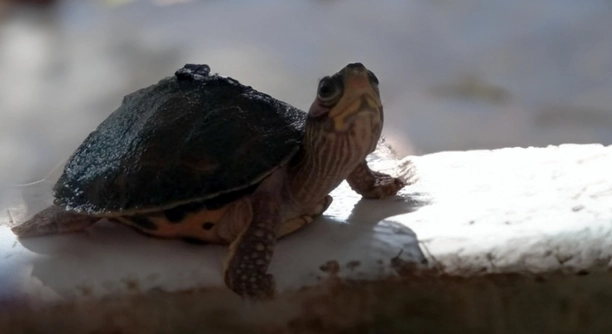
Is your Indian roofed tortoise spending too much time resting and not enough time exploring? Keeping them active in captivity requires the right environment, enrichment, and care to support their natural behaviors and overall well-being.
Providing a spacious enclosure, varied terrain, hiding spots, and interactive elements encourages movement. A proper diet, access to UVB lighting, and occasional supervised outdoor time also promote physical activity. Enrichment activities like puzzles and live food can further stimulate their natural instincts.
Creating an engaging habitat ensures your tortoise remains active and healthy. Understanding these methods will help you maintain a thriving and enriching environment for your pet.
Provide a Spacious and Stimulating Enclosure
A well-sized enclosure allows your Indian roofed tortoise to move freely and explore. Aim for at least 4x the length of the tortoise to ensure ample space. Use a mix of substrates like soil, coconut fiber, and sand to create varied terrain. Adding rocks, logs, and climbing structures helps keep them engaged. A shallow water dish provides hydration and an area for soaking, which supports shell health. Hiding spots made from plants or overturned containers offer security and encourage natural behaviors. Ensuring a warm basking area and a cooler zone helps regulate body temperature effectively.
A crowded or empty enclosure can make your tortoise less active. Lack of stimulation often results in excessive hiding and minimal movement. Adding interactive elements and varied textures keeps them engaged. Simple modifications, like rearranging decorations or introducing new objects, can make a significant difference in activity levels.
A balanced environment encourages exploration and movement. Regularly changing the enclosure’s layout prevents boredom and keeps your tortoise curious. Observing their behavior will help you adjust their space to maintain a stimulating and enriching habitat.
Offer a Nutritious and Varied Diet
A proper diet keeps your tortoise active and healthy. Leafy greens, vegetables, and occasional fruits provide essential nutrients. Protein sources like insects and boiled eggs support growth, while calcium supplements ensure strong shells and bones.
A diet lacking variety can lead to lethargy and poor health. Rotate food options to maintain interest and nutritional balance. Dark leafy greens like collard greens and dandelion leaves should make up the majority of their diet. Occasional treats like hibiscus flowers or squash add diversity and enrichment. Avoid feeding excessive fruits, as high sugar content can disrupt digestion.
Hydration is also essential. Always provide fresh water and occasionally mist their enclosure to maintain humidity. Soaking your tortoise in shallow water a few times a week encourages hydration and natural activity. A well-balanced diet ensures they stay energetic and engaged in their surroundings.
Encourage Natural Foraging Behaviors
Scattering food around the enclosure encourages movement and mental stimulation. Instead of placing food in one spot, hide leafy greens or small treats under logs and rocks. This keeps your tortoise engaged and replicates natural foraging behaviors, preventing boredom and inactivity.
Live food like earthworms or snails adds enrichment and stimulates hunting instincts. Introducing edible plants inside the enclosure allows for grazing throughout the day. Placing food at different heights, such as on a flat rock, makes meals more interactive. Changing feeding locations daily encourages exploration and prevents your tortoise from associating one area with food.
Avoid overfeeding in one sitting, as it can lead to sluggishness. Offering small portions throughout the day keeps them active and maintains a healthy metabolism. Hydration plays a role in digestion and energy levels, so always ensure access to fresh water alongside a varied diet.
Provide UVB Lighting and Proper Temperature
A reliable UVB light is essential for calcium absorption and overall health. Without it, your tortoise may become lethargic and prone to health issues. Ensure they receive 10-12 hours of UVB exposure daily, using a high-quality bulb designed for reptiles. Regularly replace bulbs, as their effectiveness diminishes over time.
Maintaining proper temperatures is just as important. A basking area should be around 90°F, while the cooler side should stay between 75-80°F. Using a heat lamp and thermometer ensures consistency. At night, temperatures can drop slightly but should not go below 70°F. Providing a temperature gradient allows your tortoise to regulate its body temperature naturally.
Positioning the UVB light and heat source correctly encourages movement between warm and cool areas. If your tortoise remains inactive, check the temperature and lighting setup. Adjusting their environment can significantly improve their energy levels and overall well-being.
Add Enrichment Activities
Introducing new objects like tunnels, branches, and textured surfaces keeps your tortoise engaged. Rotating these elements every few weeks prevents boredom and encourages exploration. Providing safe chewable items, such as cuttlebone, also promotes beak health while adding enrichment to their daily routine.
Tortoises enjoy interacting with their surroundings. Placing small obstacles or rearranging decor encourages movement and problem-solving. Even simple additions like overturned pots or small ramps can make a difference. A variety of textures and climbing opportunities ensures ongoing mental and physical stimulation.
Allow Safe Outdoor Time
Supervised outdoor time provides natural sunlight and additional space for movement. A secure outdoor enclosure with shaded areas and hiding spots prevents overheating while keeping them safe from predators. The exposure to fresh air and real grass encourages natural behaviors and keeps them active.
Maintain a Consistent Routine
Tortoises thrive on routine. Feeding, lighting, and enrichment should follow a consistent schedule to keep them engaged. Regular handling and interaction help them feel comfortable in their environment while promoting activity.
How often should I let my Indian roofed tortoise roam outside its enclosure?
Providing outdoor time at least a few times a week benefits their health and activity levels. Supervised sessions of 30-60 minutes allow them to explore, absorb natural sunlight, and experience different textures. Ensure the area is secure and free from potential hazards like toxic plants or predators.
What are the best foods to keep my tortoise active?
A diet rich in dark leafy greens, vegetables, and occasional fruits promotes energy and movement. Options like dandelion greens, collard greens, and hibiscus flowers offer essential nutrients. Occasional protein sources like earthworms or boiled eggs can provide variety. Avoid high-sugar fruits and processed foods, as they can lead to sluggishness.
How can I tell if my tortoise is not getting enough exercise?
A lack of movement, frequent hiding, and a reluctance to explore may indicate inactivity. If your tortoise spends most of its time in one spot, check its enclosure setup, diet, and temperature levels. Offering more enrichment and ensuring proper UVB exposure can encourage natural behaviors.
Can I train my tortoise to be more active?
Tortoises respond well to consistency. Moving their food location, introducing new objects, and providing safe obstacles encourage movement. Regular interaction, such as gently placing them in different areas, can also stimulate curiosity. Avoid forcing activity, as stress can lead to withdrawal rather than engagement.
Why is my tortoise staying under its hide most of the day?
Hiding is normal, but excessive time spent in one spot may indicate stress, improper temperatures, or illness. Ensure the basking area is warm enough and that the enclosure provides a balance of open and covered spaces. If inactivity continues, a vet visit may be necessary.
What type of toys or objects can help my tortoise stay engaged?
Simple objects like rocks, logs, tunnels, and climbing platforms encourage exploration. Some tortoises enjoy pushing small, lightweight balls or investigating new textures. Rotating these items periodically prevents boredom and keeps their environment stimulating without overwhelming them.
How do I prevent my tortoise from becoming bored?
Changing the enclosure layout, introducing new plants, and varying feeding methods prevent monotony. Providing opportunities to dig, climb, and forage keeps them mentally and physically engaged. Regular outdoor time and occasional supervised interaction add variety to their daily routine.
Is it normal for my tortoise to be less active during certain seasons?
Tortoises may slow down during colder months or changes in their environment. If temperatures drop, they might become less active to conserve energy. Ensuring a consistent heat source and UVB exposure helps maintain normal activity levels throughout the year.
How much space does my tortoise need to stay active?
A spacious enclosure allows for natural movement and exploration. A minimum of 4×2 feet is recommended for a single tortoise, but larger is always better. Outdoor enclosures should provide enough room for walking, grazing, and hiding, encouraging a healthy level of activity.
What should I do if my tortoise refuses to move even with enrichment?
Check all environmental factors, including temperature, lighting, and diet. If everything is optimal and your tortoise remains inactive for extended periods, a veterinary checkup is recommended. Lethargy can sometimes indicate underlying health issues that require professional attention.
Providing an enriching environment is essential for keeping an Indian roofed tortoise active in captivity. A well-structured enclosure with varied terrain, hiding spots, and climbing opportunities encourages movement and exploration. Regular outdoor time allows them to experience natural sunlight, which supports both physical health and mental stimulation. A proper balance of warmth, humidity, and UVB lighting ensures they remain active and engaged. Without these key elements, a tortoise may become lethargic, which can impact its overall well-being. Simple adjustments to their habitat can make a noticeable difference in their energy levels and daily activity.
Diet also plays a crucial role in maintaining activity levels. A varied diet of fresh greens, vegetables, and occasional protein sources helps support natural movement. Offering food in different locations or using feeding puzzles encourages foraging behavior, keeping them mentally engaged. Hydration is equally important, as dehydration can lead to sluggishness and inactivity. Regular soaking and access to clean water promote overall health. If a tortoise appears inactive despite a well-balanced diet, assessing environmental factors such as temperature and enclosure size can help determine potential causes. Small changes in feeding methods and enclosure setup often lead to significant improvements in their daily activity.
Monitoring behavior regularly helps ensure they stay active and healthy. If a tortoise consistently avoids movement, hides excessively, or refuses to eat, these could be signs of stress or illness. Routine vet checkups can help identify any underlying health concerns early. Providing a stimulating environment, proper nutrition, and regular outdoor time prevents inactivity and promotes natural behaviors. Every tortoise has unique activity patterns, so understanding their habits allows for adjustments that support their overall well-being. By maintaining the right balance of care, their quality of life improves, making captivity a fulfilling experience for both the tortoise and its owner.

Hello,
If you enjoy the content that we create, please consider saying a "Thank You!" by leaving a tip.
Every little bit helps us continue crafting quality advice that supports the health, happiness, and well-being of pets around the world, for pets of all shapes, sizes, and species.
We really appreciate the kindness and support that you show us!