
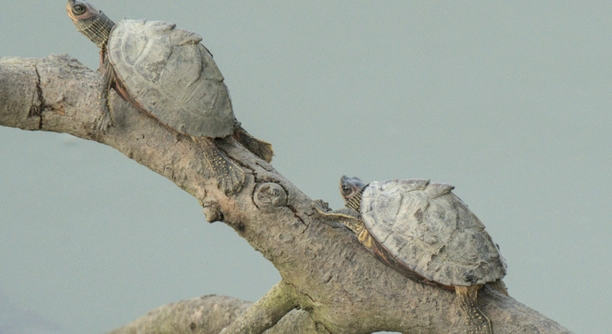
If you have an Indian Roofed Tortoise, it is important to understand how to identify signs of infection. Knowing the symptoms early can help you address potential issues and ensure the health of your pet.
The most common signs of infection in an Indian Roofed Tortoise include swelling, discharge from the eyes or nose, and lethargy. A veterinarian should be consulted immediately for a proper diagnosis and treatment plan to prevent further health complications.
Recognizing these symptoms early on will help keep your tortoise healthy. Read on to learn how to care for your tortoise and prevent infections.
Recognizing the Early Signs of Infection
When caring for an Indian Roofed Tortoise, recognizing the early signs of an infection is essential to its well-being. Common indicators include changes in appetite, lethargy, swelling, or nasal discharge. The key to maintaining a healthy tortoise lies in noticing these subtle symptoms early and acting quickly. It is often easy to overlook initial signs since tortoises naturally try to hide their discomfort. Paying attention to behavioral shifts or visible symptoms like unusual eye discharge or slow movements can make a significant difference in getting proper care for your pet. A healthy tortoise should be active, alert, and eating regularly. Any signs of infection require prompt attention from a vet, as untreated infections can worsen and lead to serious health issues.
If you notice any unusual behavior, don’t hesitate to reach out to a veterinarian for an accurate diagnosis. Acting fast will give your tortoise the best chance for recovery.
A regular health check-up is a good preventive measure for your tortoise. Ensure its habitat is clean, dry, and properly regulated. Regular vet visits will help maintain its overall health and allow for early detection of any potential issues.
The Importance of Proper Diet and Habitat
The right diet and habitat play a crucial role in preventing infections. Indian Roofed Tortoises are herbivores, requiring a balanced diet of leafy greens, fruits, and occasional flowers. Avoid feeding them high-protein or fatty foods, as this can lead to health problems. In addition to a proper diet, their habitat needs to be appropriately maintained. The temperature and humidity should mimic their natural environment. A too-wet or too-dry habitat can cause stress and weaken their immune system, making them more vulnerable to infections. Provide enough space for movement and hideouts where they feel secure. A clean environment is just as important, as waste and uneaten food can foster bacterial growth.
Regularly clean their enclosure, remove waste, and replace bedding to maintain a safe space for your tortoise. Regularly check their diet to ensure they receive proper nutrition. A clean, balanced environment is key to their health.
Identifying Respiratory Infections
Respiratory infections in Indian Roofed Tortoises are often characterized by nasal discharge, labored breathing, or wheezing sounds. These infections can be caused by poor living conditions, such as high humidity or inadequate ventilation.
When your tortoise exhibits symptoms like clear or mucusy discharge from the nose, it may have a respiratory infection. In more severe cases, you may hear wheezing or notice the tortoise struggling to breathe. Prompt action is crucial, as untreated respiratory infections can spread to the lungs and cause long-term health issues. Maintaining proper humidity levels and ventilation in their enclosure helps prevent respiratory infections. If symptoms persist or worsen, a visit to the vet is necessary for treatment.
If your tortoise has trouble breathing or seems sluggish, check their environment immediately. Adjust humidity, ensure proper airflow, and seek professional help to prevent the infection from progressing. Timely intervention can greatly improve your tortoise’s health.
Managing Skin Infections
Skin infections in tortoises are usually visible as open wounds, swelling, or sores on their shell or skin. These can be caused by bacteria, fungi, or poor hygiene in their environment.
A common cause of skin infection is an injury to the shell or body, which opens the door for bacteria to infect the area. Keeping the habitat clean and providing proper UVB lighting is essential in preventing skin infections. If you notice swelling or redness around a wound, clean the area carefully with warm water and mild soap. For more severe infections, a visit to the vet is necessary for proper treatment.
Treating skin infections quickly can prevent the spread of bacteria and promote faster healing. Keep your tortoise’s shell dry and clean, especially after soaking in water. A healthy, dry environment is essential for preventing infections and ensuring their well-being.
Dealing with Eye Infections
Eye infections in tortoises are often seen as swelling, discharge, or cloudiness in the eyes. If left untreated, they can cause permanent damage to vision.
An eye infection can occur from bacterial or fungal exposure, or even as a result of poor humidity levels. If you notice any unusual discharge or swelling around the eyes, it is important to clean the area gently with warm water. Keep the tortoise’s environment clean and ensure that humidity levels are balanced. If symptoms persist, consult a vet for proper treatment.
In some cases, an eye infection may worsen, leading to more serious complications. Treating it promptly with the help of a professional will help maintain your tortoise’s eye health.
Managing Shell Rot
Shell rot is a common condition that causes softening or discoloration of the shell. It is typically caused by excess moisture and poor hygiene.
To prevent shell rot, it’s essential to keep your tortoise’s living area dry and clean. If you notice soft spots or a foul odor on the shell, clean it gently and dry it thoroughly. If the problem persists, seek veterinary advice. Shell rot can worsen if untreated and may require antibiotics or topical treatments from a vet.
Proper shell care and maintenance are crucial in preventing infections and ensuring the long-term health of your tortoise.
FAQ
What are the most common signs of infection in my Indian Roofed Tortoise?
The most common signs include lethargy, changes in eating habits, nasal discharge, swollen eyes, or abnormal breathing. You may also notice a change in their behavior, such as staying hidden for longer periods or being less active. If these signs are present, it’s important to observe the tortoise closely and consult a vet if symptoms persist or worsen.
How do I prevent respiratory infections in my tortoise?
Maintaining the correct temperature and humidity levels in your tortoise’s enclosure is key. Respiratory infections often develop in environments that are too damp or too cold. Regularly clean their living area and make sure there’s good ventilation. Additionally, avoid placing your tortoise in drafty areas. A healthy diet rich in vitamins will help boost its immune system and reduce the likelihood of infections.
Can diet affect my tortoise’s health and lead to infections?
Yes, a poor diet can weaken your tortoise’s immune system, making it more susceptible to infections. A balanced diet rich in fiber, vitamins, and minerals is essential. Avoid feeding them high-protein or fatty foods, as these can lead to health issues like obesity or shell problems. Providing a variety of leafy greens, fruits, and occasional flowers will ensure they get the nutrients they need to stay healthy.
How can I treat my tortoise’s skin infection?
If you notice swelling, redness, or discharge on your tortoise’s skin or shell, it’s important to clean the affected area gently with warm water and mild soap. Avoid using harsh chemicals or rough scrubbing. After cleaning, ensure the tortoise’s habitat is kept dry and clean. If the infection doesn’t improve within a few days, it’s time to consult a vet for further treatment.
What should I do if my tortoise has eye discharge or swelling?
Eye infections are common in tortoises and can be caused by bacteria, fungi, or poor environmental conditions. Gently clean the affected area with warm water, and check that the humidity in its enclosure is not too high. Avoid any drafts that might irritate the eyes. If the condition doesn’t improve within a few days, visit a vet to ensure proper treatment.
How can I tell if my tortoise has shell rot?
Shell rot is usually characterized by soft spots, discoloration, or a foul smell coming from the shell. It’s often caused by excess moisture and poor hygiene. If you notice any of these symptoms, it’s important to clean the affected area and keep the tortoise dry. If shell rot persists, consult a vet for advice and possible treatment.
How often should I clean my tortoise’s enclosure to prevent infections?
You should clean your tortoise’s enclosure at least once a week, ensuring that any waste, leftover food, and soiled bedding are removed. Spot clean daily to maintain a hygienic environment. A clean habitat reduces the risk of bacterial and fungal infections, which can thrive in damp, dirty conditions. Regularly check for signs of mold or waste build-up, which should be dealt with immediately.
Can stress cause infections in my tortoise?
Yes, stress can weaken your tortoise’s immune system, making it more susceptible to infections. Stress can result from improper housing, poor diet, environmental changes, or excessive handling. To keep your tortoise calm and healthy, provide a stable environment with consistent temperature, humidity, and lighting. Minimize handling to avoid stressing your tortoise further.
What temperature and humidity are best for my tortoise?
Indian Roofed Tortoises thrive in temperatures between 75-85°F during the day and slightly cooler at night. The humidity should be maintained around 60-70%. Too much humidity can lead to respiratory infections, while too little can cause dehydration or other health problems. A reliable thermometer and hygrometer are essential to monitor these levels accurately.
Can I use any over-the-counter medications to treat infections in my tortoise?
It’s important not to self-medicate your tortoise without consulting a vet. Over-the-counter medications meant for other animals can be harmful. Only use treatments prescribed by a veterinarian who has experience with reptiles. Improper treatment can worsen the infection or cause further health complications.
Is it safe to bathe my tortoise if it’s sick?
Bathing your tortoise can be beneficial in certain situations, such as if it is dehydrated or needs to clean its shell. However, avoid bathing them too frequently, especially if they have a skin or respiratory infection. Always use warm water and ensure the tortoise is dry afterward. Consult your vet before bathing a sick tortoise, especially if they have an open wound or shell rot.
How can I tell if my tortoise is dehydrated?
Signs of dehydration in a tortoise include dry or wrinkled skin, lethargy, sunken eyes, and reduced activity. A dehydrated tortoise may also have difficulty passing waste. Offering a shallow water dish regularly and soaking your tortoise in lukewarm water for 20-30 minutes can help maintain hydration levels. If dehydration persists, consult a vet.
Is it normal for my tortoise to be inactive sometimes?
Tortoises are naturally more active during the day, but they may become less active during colder months or after eating. If your tortoise seems excessively lethargic or refuses food, this could be a sign of an underlying health issue, including an infection. Always monitor their activity levels and seek veterinary advice if inactivity becomes prolonged or unusual.
Final Thoughts
Taking care of an Indian Roofed Tortoise involves paying close attention to its health and environment. These tortoises require specific conditions to stay healthy, and even small changes in their care can impact their well-being. It’s essential to keep their enclosure clean and at the proper temperature and humidity levels. Regular observation will help you spot potential health issues early, allowing for quicker treatment and preventing the problem from becoming more serious.
Infections in tortoises can be a concern, but many are preventable with the right care. Ensuring that your tortoise has a balanced diet, a clean living space, and a stable environment will help strengthen its immune system. If any symptoms of infection appear, taking action quickly can make a significant difference in recovery time. Early detection and treatment are key to keeping your tortoise happy and healthy. Consulting a vet when unsure is always a good decision.
Overall, the best way to care for your Indian Roofed Tortoise is through constant attention and proper preventive measures. Providing a safe, clean, and comfortable environment will reduce the risk of infections and other health problems. With a little care and knowledge, you can help your tortoise live a long, healthy life. If in doubt, don’t hesitate to reach out to a vet who specializes in reptiles. Their expertise will guide you in giving your tortoise the best care possible.

Hello,
If you enjoy the content that we create, please consider saying a "Thank You!" by leaving a tip.
Every little bit helps us continue crafting quality advice that supports the health, happiness, and well-being of pets around the world, for pets of all shapes, sizes, and species.
We really appreciate the kindness and support that you show us!