
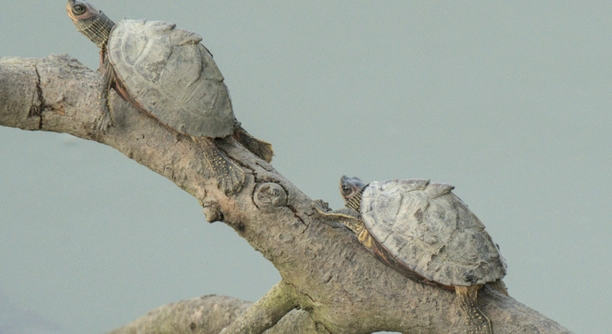
Keeping your Indian Roofed Tortoise’s tank smelling fresh can seem challenging, but it’s manageable with the right approach. Proper tank maintenance is key to ensuring a healthy environment for your pet.
To maintain a fresh-smelling tank, regular cleaning is essential. This includes spot cleaning waste, changing water frequently, and ensuring proper ventilation. Additionally, using absorbent bedding, air purifiers, and eliminating food debris will help reduce odors.
With these tips, you can maintain a pleasant and clean environment for your tortoise. These steps are simple yet effective for managing any unpleasant smells in the tank.
Clean the Tank Regularly
One of the most important steps in maintaining a fresh-smelling tortoise tank is regular cleaning. Daily spot cleaning removes waste and food debris that can contribute to odors. The tank should be completely cleaned every week, which includes changing the water, removing old bedding, and wiping down surfaces. These routine actions help prevent the buildup of harmful bacteria and fungi that can cause unpleasant smells.
For a thorough clean, remove the tortoise from the tank and scrub all surfaces with warm water. Avoid using strong chemicals, as they can be harmful to your pet. After cleaning, replace the bedding and water to keep things fresh.
While cleaning is essential, don’t forget to clean the decorations, water bowl, and hiding spots. These areas can easily trap food and waste, leading to a less-than-fresh tank. A clean environment will also help reduce the chances of your tortoise developing health issues caused by bacteria or mold.
Maintain Proper Ventilation
Good ventilation is vital for keeping the tank smelling fresh. Without proper airflow, the air can become stagnant and cause foul odors. To promote ventilation, make sure the tank has a mesh lid or ventilation holes. You can also use a small fan placed near the tank to help improve air circulation.
Additionally, be mindful of the humidity level in the tank. Too much humidity can lead to mold growth, which creates unpleasant smells. Keep the humidity in check by using a dehumidifier if necessary and adjusting the tank’s moisture levels to suit your tortoise’s needs. A well-ventilated tank is crucial for maintaining a healthy and odor-free environment.
Use Absorbent Bedding
The bedding you use in your tortoise’s tank plays a significant role in controlling odors. Choosing absorbent materials like coconut coir or cypress mulch helps trap moisture and waste, preventing foul smells from developing. Keep the bedding dry and replace it when needed to maintain freshness.
Absorbent bedding also prevents bacteria growth by keeping moisture levels under control. Wet bedding creates a breeding ground for bacteria and fungi, which lead to unpleasant smells and can cause health problems for your tortoise. Using bedding that absorbs waste and moisture will help manage odors more effectively.
For best results, avoid using pine or cedar wood shavings as they can release harmful oils. Instead, opt for more natural options that are safe for your tortoise and still help maintain a fresh environment. A good bedding choice will make a noticeable difference in the overall smell of the tank.
Remove Food Debris Regularly
Leftover food is a major source of odor in your tortoise’s tank. When food sits for too long, it can spoil and create a foul smell. Make it a habit to remove any uneaten food within a few hours to prevent this buildup.
By keeping the tank free from decaying food, you’ll greatly reduce the chances of unpleasant odors developing. Additionally, uneaten food can attract pests, which adds another layer of potential issues. Tortoises are not known for cleaning up after themselves, so it’s up to you to remove food debris regularly.
Be mindful of the types of food you offer your tortoise. Fresh vegetables and fruits tend to decay quickly, so it’s crucial to monitor the food carefully and clear out any uneaten portions. Keeping the tank clean will help maintain a fresh atmosphere for your pet.
Use an Air Purifier
An air purifier can help maintain fresh air in your tortoise’s tank by filtering out unpleasant odors and harmful particles. Place a small, quiet air purifier near the tank to help reduce smells. Ensure it’s appropriate for the size of the tank and its ventilation needs.
Air purifiers work by capturing particles that contribute to bad smells, such as dust, mold, and waste. Choose a purifier with a carbon filter, as this is particularly effective at absorbing odors. Regularly clean or replace the filter to keep it working efficiently. This simple addition can make a noticeable difference.
Control Humidity Levels
Managing humidity levels is important for keeping the tank fresh and comfortable for your tortoise. Too much moisture can cause mold and mildew, which leads to unpleasant odors. A dehumidifier or adjusting the tank’s moisture can help keep things in balance.
Humidity also affects your tortoise’s health, so keep it at the right level for the species. Check humidity regularly to prevent excessive buildup that could promote bacteria growth. By maintaining proper humidity, you’ll reduce both odor and risk to your pet’s health.
FAQ
How often should I clean my Indian Roofed Tortoise’s tank?
You should clean the tank thoroughly once a week, but daily spot cleaning is important to remove waste and uneaten food. A weekly cleaning involves removing the bedding, scrubbing surfaces, and changing the water. Regular spot cleaning throughout the week will prevent the buildup of waste and keep the tank fresh. Ensure you replace the bedding after every full clean to maintain a hygienic environment for your tortoise.
Can I use any type of bedding for my tortoise’s tank?
Not all bedding options are suitable for tortoises. Avoid cedar or pine shavings, as they contain oils that can harm your pet. Instead, use coconut coir, cypress mulch, or aspen shavings. These materials are absorbent and safe for tortoises. You’ll want to replace the bedding regularly to keep odors in check and reduce the growth of bacteria. It’s also a good idea to spot clean daily to keep the environment as fresh as possible.
How can I prevent mold in my tortoise’s tank?
Mold grows in damp, stagnant conditions, so the key to preventing it is maintaining proper humidity and ventilation. Ensure that the tank has enough airflow by using a mesh lid or ventilation holes. Also, avoid over-wetting the bedding and water dishes. If mold appears, clean the affected area immediately and ensure that humidity levels are balanced. Consider using a dehumidifier if needed to maintain the right moisture levels.
What should I do if my tortoise’s tank still smells despite regular cleaning?
If the tank smells even after regular cleaning, it could be due to improper ventilation, damp bedding, or leftover food. Double-check that your tank has enough airflow and that humidity levels are in balance. If the bedding is too wet, replace it with something more absorbent. Also, ensure you’re removing uneaten food promptly and replacing water frequently. Sometimes a small air purifier can help eliminate lingering odors, especially if you can’t pinpoint the source.
Can I use air fresheners or sprays in my tortoise’s tank?
Air fresheners or sprays are not recommended for tortoise tanks. Many of these products contain chemicals that can be harmful to your pet. Instead, focus on cleaning and ventilation as primary methods to control odors. If necessary, use natural alternatives like activated charcoal or a non-toxic air purifier. Keep in mind that some air fresheners can be toxic to reptiles, so it’s better to avoid them altogether.
What kind of food should I avoid giving my tortoise to reduce odors?
Certain foods can lead to stronger odors when left in the tank. Fruits like watermelon and tomatoes, while healthy, can spoil quickly and produce a strong smell. Additionally, avoid feeding your tortoise too much leafy greens that may wilt quickly. It’s best to remove any uneaten food within a few hours to prevent decay. Offer small portions to ensure they finish their meals in one sitting and to reduce food waste in the tank.
Can I use a dehumidifier in my tortoise’s tank?
Yes, a dehumidifier can help control humidity in the tank if it’s too high. Too much moisture can lead to mold, bacteria growth, and foul odors. A dehumidifier can help keep the air dry without affecting the overall well-being of your tortoise. Make sure you monitor humidity levels carefully and adjust the dehumidifier to maintain the ideal range for your pet’s health and comfort.
How do I know if the humidity is too high or low for my tortoise?
To maintain proper humidity, use a hygrometer to monitor the moisture levels in the tank. The ideal humidity range varies depending on the species, but most tortoises require a moderate level. If the tank feels damp or there’s visible mold, the humidity is likely too high. If the tank feels dry and your tortoise shows signs of dehydration, then the humidity is too low. Adjust the moisture levels by either adding water to the substrate or using a dehumidifier to balance the humidity.
Is it necessary to use a filter in the water bowl?
A water filter isn’t strictly necessary for a tortoise tank, but it can help maintain cleaner water for longer. A filter removes debris and helps keep the water free from bacteria. It’s important to clean the water bowl regularly, regardless of whether you use a filter, to avoid any unpleasant odors or bacterial growth. Make sure the water is always fresh and free from food debris that may have fallen in.
How can I ensure my tortoise’s health while keeping the tank fresh?
A healthy tortoise requires more than just a fresh-smelling tank. Regular cleaning and proper ventilation will help ensure a clean environment, but it’s also important to monitor temperature, humidity, and lighting. Providing a suitable substrate, appropriate food, and fresh water are essential for your tortoise’s overall well-being. Regular vet check-ups are also recommended to catch any potential health issues early. A balanced, clean, and safe tank will keep your tortoise happy and healthy.
Final Thoughts
Keeping your Indian Roofed Tortoise’s tank smelling fresh is important for both its well-being and your comfort. A clean environment is key to preventing bad odors, bacteria, and mold, which can affect your tortoise’s health. Regular cleaning, controlling humidity, and ensuring proper ventilation can go a long way in maintaining a fresh-smelling tank. By staying on top of spot cleaning and replacing the bedding when needed, you can help avoid the buildup of waste that contributes to unpleasant smells. Also, removing uneaten food promptly and ensuring a clean water bowl will help keep the tank smelling fresh.
In addition to cleanliness, the materials used in your tortoise’s tank play a significant role in maintaining a fresh environment. Using safe, absorbent bedding such as coconut coir or cypress mulch can help manage odors. These bedding materials are not only safe but also effective at absorbing moisture, which prevents mold and bacterial growth. Avoid using cedar or pine shavings, as their oils can harm your tortoise. Keeping the tank dry, without over-wetting the bedding, will help keep the environment healthy and free from unpleasant smells. You can also consider using natural air purifiers or activated charcoal to help with odor control.
Ultimately, the key to a fresh-smelling tank is consistency. By paying attention to the humidity levels, cleaning habits, and ventilation, you can create an environment that promotes your tortoise’s health and happiness. Remember, your tortoise depends on you to keep its home clean and comfortable. With a little effort and routine care, you can ensure your Indian Roofed Tortoise’s tank remains fresh, odor-free, and safe. Keep up with regular maintenance, and you’ll have a happy and healthy tortoise.

Hello,
If you enjoy the content that we create, please consider saying a "Thank You!" by leaving a tip.
Every little bit helps us continue crafting quality advice that supports the health, happiness, and well-being of pets around the world, for pets of all shapes, sizes, and species.
We really appreciate the kindness and support that you show us!