
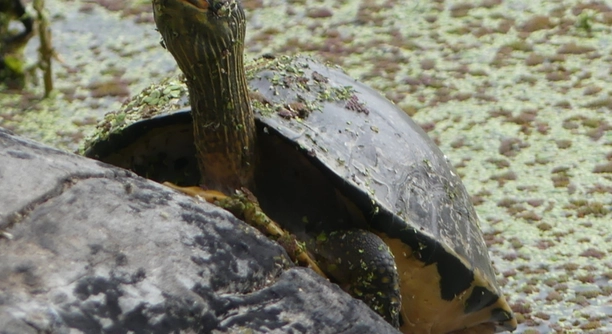
An overgrown beak in an Indian Roofed Tortoise can be a concern for pet owners. Addressing this issue is essential for their health and well-being. Knowing how to identify and treat this condition can improve your tortoise’s quality of life.
An overgrown beak in an Indian Roofed Tortoise occurs when the beak doesn’t wear down naturally due to lack of proper diet or environmental factors. This condition can lead to difficulty eating and, in severe cases, affect the tortoise’s overall health.
Understanding the signs of an overgrown beak will help you take the right steps to treat your tortoise. Proper care and treatment can restore your pet’s health and prevent further complications.
Recognizing the Signs of an Overgrown Beak
An overgrown beak in an Indian Roofed Tortoise is not always easy to spot. Initially, the growth may seem small, but it can slowly interfere with their ability to eat, drink, or even groom themselves properly. If you notice that your tortoise is having difficulty biting or tearing food, it could be a sign that the beak has become too long. The beak may also appear to be uneven or misshapen, which can cause discomfort for the animal. Some tortoises may even show a lack of interest in food due to the discomfort caused by their beak’s growth. It’s crucial to monitor your tortoise’s eating habits closely. If you observe any signs of abnormal behavior, such as not eating or acting lethargic, an overgrown beak might be the reason behind it.
Overgrown beaks can also lead to jaw misalignment and further oral health issues. This can make the tortoise even less inclined to eat, causing weight loss or malnutrition. Regular observation is key to catching the problem early.
If left untreated, the overgrowth can become more serious. This will make it harder to trim the beak safely. In the worst cases, untreated overgrowth can lead to permanent damage. Your tortoise’s ability to eat may be compromised permanently, resulting in a major decline in health. Beak care is an important aspect of keeping your tortoise happy and healthy, so don’t delay in addressing this issue.
How to Trim an Overgrown Beak
Trimming a tortoise’s overgrown beak should be done carefully and with proper knowledge. It’s recommended to seek professional help if you’re unsure how to proceed. The beak can be trimmed gently using a pair of reptile nail clippers. Ensure that the cutting tool is sharp to avoid crushing the beak. Only remove a small portion at a time to avoid cutting too deep. It’s crucial to stay calm and steady during the process to reduce stress on the tortoise.
Consulting a vet is often the best option for safe trimming. A trained professional can assess the beak’s condition and determine how much should be removed. In some cases, the beak may need to be filed down, which is a safer option to ensure no damage occurs. Regular check-ups at the vet can help prevent future overgrowth. Additionally, they can monitor the tortoise’s general health to make sure other issues aren’t contributing to the problem.
Proper care and diet are essential in preventing the beak from overgrowing again. Ensure your tortoise has access to a balanced diet, including high-fiber foods like grass, and provide natural substrates that help wear down the beak. Regular exposure to sunlight and the proper habitat can also improve overall health, reducing the likelihood of future beak issues. Make sure your tortoise is living in a stress-free environment that promotes natural beak maintenance.
Causes of Overgrown Beaks
Overgrown beaks often result from improper diet or lack of suitable surfaces to wear the beak down. Without enough fibrous foods like grass or leaves, the beak doesn’t get the wear it needs. A lack of natural exposure to the right environment can also contribute to the problem.
When tortoises are kept in environments with soft bedding or too much time in water, their beaks may not get enough natural abrasion. This can lead to uneven growth. Furthermore, if the tortoise’s diet lacks key nutrients like calcium or vitamins, it can impact the overall health of the beak, causing it to grow excessively. Another potential cause is a lack of activity, as tortoises in more confined spaces may not move around enough to naturally wear down their beaks.
Stress can also play a role in the development of overgrown beaks. Tortoises under constant stress may experience health issues that affect their normal feeding behaviors, leading to poor beak maintenance. Addressing environmental factors, diet, and stress can significantly reduce the chances of overgrowth.
Preventing Overgrown Beaks
Proper diet and habitat are the best prevention for an overgrown beak. Providing your tortoise with a balanced diet, rich in fiber, calcium, and vitamins, will help maintain a healthy beak. Natural substrates like gravel or coarse sand can also encourage beak wear.
Tortoises need to have access to a varied diet that mimics their natural feeding habits. Include leafy greens, flowers, and grasses in their meals. Additionally, providing opportunities for them to roam and explore outside their enclosure can help ensure they naturally wear down their beaks. Proper UVB lighting and calcium supplements will further support healthy beak development. A well-maintained environment will keep your tortoise healthy and prevent many issues, including overgrown beaks.
Regular check-ups with a vet are also important. Routine assessments can help catch any early signs of overgrowth or health problems, allowing for timely intervention. Taking preventative steps will save you from having to deal with a larger issue down the road.
Tools for Beak Trimming
The right tools make all the difference when trimming a tortoise’s beak. Using sharp, specialized reptile clippers will help avoid injury. A dull tool can crush the beak, causing unnecessary stress and pain. Always use a tool designed for small animals.
Another useful tool is a file or emery board. This is helpful for smoothing rough edges after trimming. You can also use it to gently shape the beak without cutting too much off. If you’re unsure about trimming, you can use these tools to lightly file the beak down instead. Always be gentle and cautious.
If you are nervous about trimming the beak yourself, it’s best to consult with a vet. They will have the proper tools and expertise to safely trim the beak without causing harm. Knowing the correct tools to use is crucial to ensuring a successful and stress-free experience for your tortoise.
Aftercare for an Overgrown Beak
After trimming the beak, monitor your tortoise for any signs of discomfort or infection. Keep an eye on their eating habits, and ensure they are able to eat normally. The beak may be sensitive after trimming, so give it time to heal.
Ensure your tortoise has access to clean water and a proper diet to support recovery. If you notice any swelling or bleeding, consult a vet immediately. Proper care after trimming will help prevent complications. Also, keep their habitat clean to reduce the risk of infection.
Proper aftercare is essential for the healing process. Providing the right environment, food, and monitoring for any signs of trouble will ensure that your tortoise’s beak remains healthy and functional. Don’t hesitate to reach out to a professional if any issues arise.
When to See a Vet
If you notice your tortoise having trouble eating or if the beak appears severely overgrown, it’s time to consult a vet. This is especially true if trimming at home seems too risky. A vet will assess the situation and take appropriate action.
Veterinary care is necessary if the beak is causing your tortoise significant pain or if it shows signs of infection. It’s also recommended if you’re unsure how to proceed with trimming or managing the overgrowth. A vet can ensure the beak is treated safely and will provide guidance on long-term care.
FAQ
What are the symptoms of an overgrown beak in an Indian Roofed Tortoise?
An overgrown beak can cause your tortoise to have difficulty eating, which may lead to a loss of appetite. You may also notice that their beak looks longer than usual or uneven. Some tortoises may also appear more lethargic than normal or have trouble moving their jaws. If the beak becomes excessively long, it can even prevent them from closing their mouth fully, which can lead to discomfort and potential health problems.
How often should I check my tortoise’s beak?
It’s a good idea to check your tortoise’s beak regularly, especially if they are older or if you notice changes in their eating habits. Monthly checks should be enough to spot any early signs of overgrowth. If you see any abnormalities, such as a longer-than-usual beak or difficulty eating, it’s best to consult a vet. Keeping an eye on their overall health can help catch issues before they become serious.
Can an overgrown beak affect my tortoise’s overall health?
Yes, an overgrown beak can impact your tortoise’s overall health. If they cannot eat properly, it can lead to malnutrition, weight loss, or dehydration. Overgrowth can also cause difficulty drinking or closing their mouth, leading to further issues. Additionally, a severely overgrown beak might cause jaw misalignment or even pain, making your tortoise uncomfortable. The sooner the issue is addressed, the less chance there is for long-term health complications.
Is trimming the beak painful for the tortoise?
Trimming the beak is usually not painful when done correctly, but it can cause temporary discomfort. If you are gentle and use the right tools, the process can be stress-free. However, it’s important to make small, gradual trims rather than cutting too much at once. If done improperly, such as cutting too deep or using blunt tools, it could cause pain or damage. If you’re unsure, it’s best to have a vet perform the trimming.
Can I trim my tortoise’s beak at home?
Yes, you can trim your tortoise’s beak at home, but it requires caution. Only trim small amounts at a time to avoid cutting too deeply. Use sharp reptile clippers or a file to smooth the edges. If you’re unsure or uncomfortable with the process, it’s best to seek help from a vet to ensure your tortoise’s safety. Trying to trim too much or using the wrong tools can cause harm.
What should I feed my tortoise to prevent beak overgrowth?
A healthy, balanced diet is key to preventing beak overgrowth. Offer a variety of high-fiber foods like grasses, leaves, and edible flowers. These will help naturally wear down the beak. Foods rich in calcium, like dark leafy greens and certain vegetables, support the overall health of the beak. Avoid offering soft, processed foods that don’t help with the natural wear process. Providing your tortoise with the right diet will ensure their beak remains healthy and properly worn down.
How can I create a habitat that helps prevent beak overgrowth?
Creating the right habitat for your tortoise is crucial. Make sure their enclosure includes surfaces they can walk on that help wear down their beak naturally, such as rough stones, concrete, or other abrasive materials. Ensure they have access to sunlight or UVB lighting for proper calcium absorption, which is essential for beak and shell health. If your tortoise spends time in water, be sure it’s not too deep, as excessive wetness can prevent beak wear. A larger space for roaming and foraging also supports natural behavior and health.
How often should I take my tortoise to the vet?
Routine check-ups are important, especially as your tortoise ages. A general visit every 6 to 12 months is recommended. During these visits, a vet can check your tortoise’s beak, shell, and overall health. If you notice any signs of beak overgrowth, trouble eating, or any behavioral changes, a vet visit may be necessary sooner. Regular visits help catch problems early before they become more difficult to treat.
What is the best way to trim a tortoise’s beak if it’s severely overgrown?
If the beak is severely overgrown, it’s safest to seek veterinary assistance. A professional can trim it gradually to avoid stress or injury. If you decide to do it yourself, use the right tools—sharp reptile clippers or a file—and only trim small portions at a time. Never try to remove too much in one session. Patience is essential. After trimming, monitor your tortoise for any signs of discomfort or infection.
What should I do if my tortoise refuses to eat due to beak overgrowth?
If your tortoise is refusing to eat due to an overgrown beak, it’s important to take immediate action. First, check the beak to see if it’s interfering with eating. If it is, try trimming the beak carefully or have a vet do it. Offer softer foods like mashed vegetables to make eating easier. In the meantime, ensure your tortoise is hydrated and consult a vet to assess the severity of the overgrowth. Prompt action can prevent malnutrition and further health issues.
Can a tortoise’s beak regrow after trimming?
Yes, a tortoise’s beak can regrow after trimming, but it should be done carefully to avoid overgrowth in the future. When trimming, always leave enough beak material for normal function and allow it time to naturally wear down. After proper trimming and maintenance, your tortoise’s beak should remain healthy and grow at a normal rate. Regular checks can prevent future issues from arising.
Are there any risks to trimming a tortoise’s beak too often?
Trimming a tortoise’s beak too often can cause unnecessary stress and potential damage. If the beak is trimmed too much, it could affect the tortoise’s ability to eat properly, causing pain or difficulty. Beak trimming should only be done when necessary, such as when overgrowth is noticed. Regular observation will help determine when it’s time for trimming. Avoid over-trimming as this can cause long-term health issues, including jaw misalignment or malnutrition.
How can I tell if the beak is growing unevenly?
Uneven beak growth is usually visible by examining the beak closely. If one side appears longer or more curved than the other, it may indicate uneven growth. An uneven beak can also cause the tortoise to have trouble closing its mouth properly. If you notice the beak doesn’t seem balanced or if your tortoise is having trouble eating, it’s a good idea to consult with a vet for advice on trimming or care.
Can I prevent overgrown beaks in younger tortoises?
Yes, preventing overgrown beaks in younger tortoises starts with ensuring they have the right environment and diet. Provide natural surfaces to walk on, such as rough stones or concrete, to help wear down the beak. Feed a balanced, high-fiber diet with plenty of calcium and UVB lighting to support healthy growth. By focusing on early prevention, you can help your tortoise avoid beak overgrowth as it grows older.
Final Thoughts
Taking care of an Indian Roofed Tortoise involves attention to detail, and managing an overgrown beak is an essential part of their overall health. While it can be concerning when a tortoise’s beak grows too long, it is a manageable condition if addressed properly. The key is early identification and treatment. Regular checks can help spot the issue before it becomes severe. Monitoring your tortoise’s eating habits, behavior, and appearance is important in noticing any signs of beak overgrowth. This can help you take action quickly, whether that means adjusting their diet, offering more opportunities for natural wear, or seeking professional help.
The trimming process, when done correctly, is generally not painful for the tortoise. However, it is essential to approach it with care. Using the right tools, like sharp clippers or a file, can ensure that the procedure is safe and stress-free. If you’re uncertain about trimming, it’s always a good idea to consult with a vet. Overgrown beaks should not be ignored, as they can lead to more serious health issues if left untreated. Whether you choose to handle the trimming yourself or rely on a professional, the goal is to ensure that the beak is properly maintained to avoid further complications.
Preventing overgrown beaks is possible with the right care and environment. Providing your tortoise with a well-balanced diet, proper UVB lighting, and rough surfaces to walk on will help maintain the health of their beak. Encouraging natural foraging behaviors can also play a role in preventing overgrowth. By focusing on prevention and addressing any issues promptly, you can help your tortoise live a healthy and comfortable life. While managing an overgrown beak may seem daunting, it is a simple part of responsible tortoise care.

Hello,
If you enjoy the content that we create, please consider saying a "Thank You!" by leaving a tip.
Every little bit helps us continue crafting quality advice that supports the health, happiness, and well-being of pets around the world, for pets of all shapes, sizes, and species.
We really appreciate the kindness and support that you show us!