
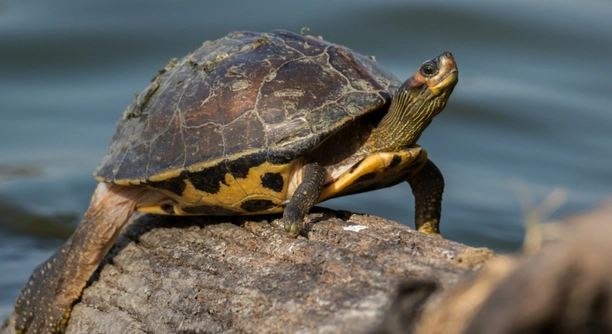
Is your Indian roofed tortoise acting differently, hiding more often, or refusing to eat? These behaviors might indicate that your pet is feeling anxious. Recognizing these signs can help you create a more comfortable environment for your tortoise.
An anxious Indian roofed tortoise may exhibit excessive hiding, reduced appetite, irregular basking habits, or increased aggression. Stressors like loud noises, improper temperature, or frequent handling can contribute to anxiety, affecting the tortoise’s overall health and well-being.
Environmental changes, diet adjustments, and proper handling can significantly reduce your tortoise’s stress. Learning about these factors will help you ensure your pet feels safe and comfortable in its habitat.
Signs of Anxiety in Indian Roofed Tortoises
An anxious Indian roofed tortoise may display noticeable changes in behavior. It might hide more than usual, refusing to come out even during feeding times. Appetite loss is another common sign, as stress can affect digestion. Some tortoises become restless, pacing their enclosure or attempting to climb the walls. Others may avoid basking or staying under their heat lamp for too long. Excessive aggression, such as biting or hissing, is also a sign of distress. Environmental changes, loud noises, improper temperatures, or frequent handling can contribute to anxiety. Identifying these signs early can help you take the necessary steps to reduce stress and improve your tortoise’s overall well-being.
Creating a stress-free environment involves ensuring the enclosure is quiet and properly maintained. Providing hiding spots and maintaining consistent temperatures can help. Avoid excessive handling and give your tortoise time to adjust if you recently changed its habitat.
Observing your tortoise daily will help you understand its normal behavior. If you notice any sudden changes, it’s essential to address potential stressors. A calm, predictable environment will help your tortoise feel secure and comfortable. Small adjustments in lighting, noise levels, and habitat setup can make a significant difference.
Common Causes of Stress
A poor enclosure setup can make a tortoise feel anxious. If the tank is too small or lacks proper hiding spaces, your tortoise may struggle to feel secure. Inconsistent temperatures or incorrect humidity levels can also lead to stress.
Stress can also be caused by loud noises, frequent disturbances, or too much handling. Tortoises are sensitive to their surroundings, and sudden movements or constant interactions can make them uncomfortable. A diet lacking essential nutrients can contribute to anxiety, as an unhealthy tortoise is more likely to feel stressed. Another factor is the presence of other pets or too much activity near the enclosure.
Making simple adjustments can reduce stress and improve your tortoise’s well-being. Ensure the enclosure is spacious, with plenty of hiding spots and a proper temperature gradient. Keep the habitat in a quiet area, away from excessive noise and foot traffic. Avoid handling your tortoise too often, allowing it to feel safe in its space. Feeding a well-balanced diet with fresh greens and calcium supplements can help maintain its health. By addressing these factors, you can create a more peaceful and comfortable environment for your tortoise.
How to Help Your Tortoise Feel Safe
A quiet and stable environment can help reduce anxiety. Keep the enclosure in a low-traffic area, away from loud noises and sudden disturbances. Ensure the habitat has plenty of hiding spots, so your tortoise can retreat when feeling stressed. Avoid unnecessary handling to let it feel secure.
Temperature and humidity play a major role in keeping your tortoise comfortable. Ensure the basking area is warm enough while keeping a cooler zone for regulation. Inconsistent temperatures can cause stress, so using a reliable thermometer is essential. Humidity should also be balanced, as too much or too little can impact their health. A proper lighting setup with a UVB lamp will support their overall well-being.
Diet can also affect your tortoise’s stress levels. Provide a variety of leafy greens, vegetables, and calcium-rich foods. A well-balanced diet ensures they receive the necessary nutrients to stay healthy. Dehydration can lead to discomfort, so always provide fresh water. Feeding at consistent times can create a routine that helps reduce stress. Avoid sudden diet changes, as this can upset their digestion. Keeping their habitat clean is equally important, as a dirty enclosure can cause illness and increase stress levels. A clean and well-maintained space promotes a sense of safety.
When to Seek Veterinary Help
If your tortoise’s behavior changes drastically and does not improve, it may need medical attention. Persistent appetite loss, extreme lethargy, or unusual aggression could indicate an underlying health problem. A veterinarian can assess your tortoise’s condition and recommend necessary treatments to address any concerns.
Shell abnormalities, labored breathing, or visible signs of infection are serious indicators that require immediate care. Stress-related issues can sometimes lead to weakened immunity, making tortoises more vulnerable to illness. A professional check-up will help determine if the anxiety stems from a medical condition. Regular health assessments can also catch potential problems before they worsen.
Even if there are no obvious health issues, a vet visit can be beneficial. Some behavioral changes may be linked to nutritional deficiencies or environmental factors that are not immediately visible. A veterinarian can offer guidance on diet, habitat improvements, and overall care. Ensuring your tortoise receives professional attention when needed will contribute to a happier and healthier pet.
Adjusting the Habitat for Comfort
A spacious enclosure allows your tortoise to move freely and feel less confined. Provide multiple hiding spots using logs, plants, or small shelters to create a sense of security. A well-structured habitat with different textures and elevations can also help keep your tortoise engaged and relaxed.
Lighting and temperature should remain consistent to prevent stress. Use a high-quality UVB lamp to support shell and bone health. Ensure there is a warm basking area and a cooler retreat zone. Sudden temperature drops or excessive heat can cause discomfort, so regular monitoring is essential for maintaining stability.
Handling Your Tortoise Properly
Tortoises prefer minimal handling, so limit interactions to necessary situations like health checks or enclosure maintenance. When handling is required, be gentle and support the shell from underneath. Sudden movements can cause distress, so keeping interactions calm and brief will help your tortoise feel more secure.
Signs Your Tortoise Is Feeling Better
A healthy appetite, regular basking, and active exploration indicate reduced stress. If your tortoise is engaging with its surroundings, resting comfortably, and responding well to feeding times, it is likely feeling more at ease. Gradual improvements in behavior show that adjustments to the habitat and care routine are making a positive impact.
FAQ
How can I tell if my tortoise is stressed?
Stress in tortoises can manifest in various ways. Look for signs like reduced appetite, excessive hiding, increased aggression, or refusal to bask. If your tortoise is frequently pacing or seems restless, it may be feeling anxious. A change in its behavior or routine might signal discomfort or stress.
What are the main causes of stress in Indian roofed tortoises?
The most common stressors are environmental factors such as improper temperatures, inadequate lighting, and too much noise. Poor diet, excessive handling, or changes in the habitat can also contribute. If your tortoise is stressed, assess its environment and try to identify any changes that could be affecting it.
Can I reduce stress by changing my tortoise’s diet?
Yes, diet plays a key role in your tortoise’s well-being. Ensure it receives a balanced diet with a variety of leafy greens, vegetables, and calcium-rich foods. Overfeeding or sudden changes in diet can cause digestive upset and increase stress. Stick to a regular feeding schedule and avoid introducing new foods too quickly.
How can I make my tortoise feel safer in its enclosure?
Ensure the enclosure is spacious with plenty of hiding spots for your tortoise to retreat to. Add logs, plants, or other objects that provide shelter. A well-maintained habitat with a proper temperature gradient, consistent humidity, and UVB lighting will help your tortoise feel secure and comfortable.
What should I do if my tortoise stops eating?
If your tortoise refuses to eat, check the temperature and humidity of its enclosure. Stress from improper conditions can affect appetite. If the environment is stable and your tortoise still refuses food for an extended period, it may be time to consult a veterinarian to rule out any health issues.
Is it okay to handle my tortoise frequently?
Tortoises prefer minimal handling. While they can tolerate brief handling for necessary activities like cleaning or health checks, excessive handling can cause stress. Keep interactions calm and limited to avoid overwhelming your tortoise. A stress-free environment is more important for its overall health and well-being.
What temperatures are best for my tortoise’s enclosure?
Your tortoise needs a basking area that reaches 90-95°F (32-35°C), with a cooler zone around 75-80°F (24-27°C). It’s essential to maintain a consistent temperature throughout the day. Avoid drastic temperature changes, as they can lead to stress and health problems.
Can other pets make my tortoise feel anxious?
Yes, the presence of other pets can cause stress. If you have other animals in the household, make sure they do not disturb or invade your tortoise’s space. Avoid letting other pets interact with your tortoise, as their movements and behaviors can create anxiety.
How can I tell if my tortoise is sick or just stressed?
A sick tortoise may show symptoms like lethargy, labored breathing, unusual discharge from the eyes or nose, or abnormal shell changes. If your tortoise is hiding more than usual or has a loss of appetite, it could be stressed or unwell. Consult a vet if symptoms persist.
Can I improve my tortoise’s mood with socialization?
Tortoises are solitary animals and generally don’t require socialization with other tortoises or humans to thrive. Excessive social interaction can cause them stress. Allow your tortoise to spend time in its enclosure without disturbance. Providing a calm, stable environment is key to keeping your tortoise happy.
How often should I clean my tortoise’s enclosure?
Clean the enclosure regularly to avoid the buildup of bacteria or waste that could cause illness or stress. Remove uneaten food daily, and disinfect the habitat thoroughly once a week. Keeping the space clean will promote your tortoise’s overall health and reduce stress caused by dirty surroundings.
What is the best way to handle a stressed tortoise?
If your tortoise is stressed, the first step is to minimize handling. Give it time to adjust to its environment without interference. Avoid sudden movements or loud noises around the enclosure. A calm, predictable routine will help your tortoise feel more secure. If necessary, adjust the habitat to better suit its needs.
Why does my tortoise hide so much?
Hiding is a natural behavior for tortoises, especially if they feel stressed or unwell. They retreat to quiet, sheltered areas to feel secure. If your tortoise is hiding excessively, check for environmental factors that may be causing it distress, such as improper temperature or humidity.
How can I tell if my tortoise is dehydrated?
Dehydration can cause your tortoise to become lethargic, have dry skin, or refuse food. You may notice that its urine is more concentrated or that its eyes appear sunken. Always provide fresh water in a shallow dish and make sure it has access to humidity, especially if the environment is too dry.
Can stress lead to health problems in my tortoise?
Yes, chronic stress can weaken your tortoise’s immune system, making it more vulnerable to infections and other health issues. Prolonged stress can affect digestion and even lead to shell deformities. Keeping your tortoise’s environment calm and stable is essential for maintaining its health and preventing stress-related illnesses.
Should I change the location of my tortoise’s enclosure?
If your tortoise seems stressed due to noise or traffic in its current location, moving the enclosure to a quieter, more private space may help. Ensure the new location still provides the necessary temperature, humidity, and lighting. Sudden changes in environment can stress your tortoise further, so make adjustments gradually.
What should I do if my tortoise is overly aggressive?
Aggression can occur when a tortoise feels threatened or stressed. If your tortoise is acting aggressively, reduce handling and check for stressors in its environment, like too much noise, a lack of hiding spots, or improper temperature. Creating a peaceful and secure environment can help reduce aggression over time.
Final Thoughts
Taking care of an Indian roofed tortoise requires understanding its needs and recognizing when something might be wrong. Tortoises are sensitive creatures, and changes in their environment, routine, or health can quickly cause stress. It’s important to pay close attention to their behavior, as any sudden changes can be a sign that something isn’t right. By observing their habits, you’ll be better equipped to identify the early signs of anxiety, which could include hiding more often, refusing food, or even showing aggression. These behaviors are often a sign of an issue, and being proactive can help you address stress before it becomes a bigger problem.
Creating a calm and comfortable habitat is the best way to keep your tortoise happy. Providing a spacious enclosure with plenty of hiding spots, proper lighting, and the right temperature will help reduce stress. Regular feeding times and a balanced diet are also crucial in maintaining your tortoise’s health. Limiting handling and making sure your pet feels safe and secure will contribute to its well-being. Remember, tortoises thrive in environments where they feel stable and can move around freely without constant disturbances. Keeping the space clean and quiet also plays an important role in creating a peaceful setting for your pet.
If you notice that your tortoise’s anxiety doesn’t improve with environmental adjustments or if there are signs of illness, it’s essential to seek veterinary help. A professional can help rule out any underlying health issues that might be affecting your tortoise’s behavior. Stress and illness often go hand in hand, so maintaining a stable and healthy environment is key to preventing both. Ultimately, by being attentive and responsive to your tortoise’s needs, you can ensure it lives a long, healthy, and stress-free life. Understanding their unique behaviors and giving them the proper care will lead to a happier pet and a more fulfilling experience for you as a pet owner.

Hello,
If you enjoy the content that we create, please consider saying a "Thank You!" by leaving a tip.
Every little bit helps us continue crafting quality advice that supports the health, happiness, and well-being of pets around the world, for pets of all shapes, sizes, and species.
We really appreciate the kindness and support that you show us!