
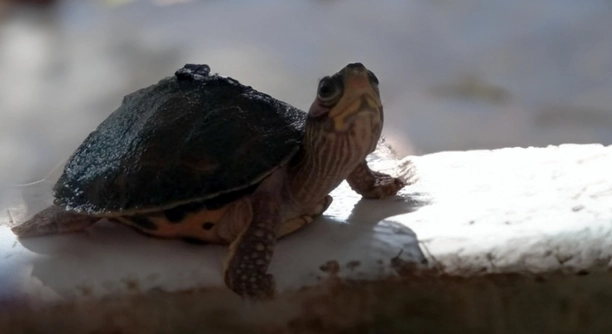
Do you want to provide your Indian roofed tortoise with a comfortable enclosure without spending too much? Finding the right setup can be tricky, but there are budget-friendly options that will keep your tortoise safe and happy.
The best budget-friendly enclosures for Indian roofed tortoises include plastic storage bins, DIY wooden enclosures, repurposed aquariums, and outdoor pens with mesh covers. These options provide proper ventilation, space, and security while keeping costs low and ensuring a suitable environment.
From simple plastic bins to creative DIY setups, there are many ways to create a secure and affordable enclosure. Understanding these options will help you choose the best setup for your tortoise while staying within your budget.
Plastic Storage Bins as Affordable Enclosures
Plastic storage bins are a cost-effective option for housing Indian roofed tortoises. They come in various sizes, allowing you to choose one that provides enough space for movement. These bins are lightweight, making them easy to clean and relocate. To ensure proper ventilation, drill small holes in the sides or cut out a section of the lid and replace it with mesh. A secure top is necessary to prevent escapes and protect your tortoise from other pets. Adding a heat lamp and UVB light will help maintain the right temperature and lighting conditions inside the enclosure.
These bins work best for young or small tortoises. While they are convenient, larger tortoises may require a bigger setup as they grow. Providing hiding spots and a shallow water dish ensures a comfortable environment.
With proper modifications, plastic storage bins create an affordable and functional enclosure. They are simple to set up and maintain while keeping costs low.
DIY Wooden Enclosures for Custom Setups
DIY wooden enclosures offer a budget-friendly and customizable option for your tortoise. They can be built to fit any available space, making them ideal for both indoor and outdoor setups.
Constructing a wooden enclosure allows you to control the size and layout. Use untreated wood to avoid harmful chemicals. Adding a waterproof liner will protect the wood from moisture, ensuring durability. Mesh or acrylic panels can be incorporated for visibility and ventilation. The enclosure should include a warm basking area, hiding spots, and a shallow water dish. A hinged or removable top makes cleaning easier.
This setup is ideal for those who enjoy simple DIY projects. Basic woodworking skills and tools are enough to build a secure space. A wooden enclosure provides a natural look while allowing you to design a habitat suited to your tortoise’s needs. It’s a durable and affordable option that can grow with your pet.
Repurposed Aquariums for Indoor Setups
Aquariums can be a great budget-friendly enclosure if you have one available. They provide a clear view of your tortoise and help maintain warmth. A secure mesh lid is necessary for ventilation and to prevent escapes.
A 40-gallon aquarium works best for young tortoises, while larger ones need more space. Adding a basking lamp and UVB light will ensure proper heat and lighting. A substrate like coconut coir or cypress mulch will create a comfortable floor. Including a shallow water dish and some hiding spots will help your tortoise feel safe. Aquariums can be heavy, so placing them on a sturdy surface is essential.
Keeping an aquarium clean is important to prevent mold and bacteria buildup. Spot cleaning daily and replacing the substrate when needed will maintain hygiene. Since glass retains heat, monitoring temperatures with a thermometer prevents overheating. With proper setup, an aquarium can be a practical indoor enclosure.
Outdoor Pens with Mesh Covers
Outdoor pens provide fresh air and natural sunlight, which benefits your tortoise’s health. A secure mesh cover prevents predators from getting in and stops your tortoise from escaping. These enclosures are ideal for warm climates, allowing your tortoise to explore safely.
A simple outdoor pen can be built using wooden planks or bricks for walls. The base should be dug into the ground to prevent digging escapes. A mesh top protects against birds and other animals. Partial shading is necessary to prevent overheating, and a shallow water dish should always be available. Regularly checking for gaps ensures your tortoise stays secure.
Outdoor pens require weather considerations. Rain or extreme temperatures can make outdoor housing unsuitable, so having an indoor backup is important. Regularly inspecting the enclosure for wear and tear will keep it safe. Outdoor enclosures provide a natural setting while remaining a cost-effective option for tortoise care.
Large Plastic Kiddie Pools as Spacious Enclosures
Plastic kiddie pools provide a spacious and affordable enclosure for tortoises. They are lightweight, easy to clean, and simple to modify. Drilling drainage holes prevents water buildup, and adding a mesh cover keeps the enclosure secure. These pools work well for both indoor and outdoor setups.
A proper setup includes a basking light, UVB lamp, and suitable substrate like coconut coir. Hiding spots and a shallow water dish help create a comfortable habitat. Since the sides are smooth, escape risks are minimal. Regular cleaning ensures a healthy environment for your tortoise.
Bookshelves Turned Into Enclosures
Old bookshelves can be repurposed into a functional tortoise enclosure. Removing the shelves and laying the unit on its back creates a spacious habitat. Lining the inside with a waterproof material protects the wood from moisture. Adding a mesh top ensures ventilation while keeping your tortoise secure.
Under-Bed Storage Containers for Small Tortoises
Under-bed storage containers work well for small tortoises. They are affordable, easy to clean, and fit in limited spaces. Drilling ventilation holes and adding a heat lamp creates a suitable environment. This option is best for temporary housing or young tortoises that do not need large enclosures yet.
FAQ
How big should an enclosure be for an Indian roofed tortoise?
A single Indian roofed tortoise needs at least a 3×2 foot enclosure. Larger tortoises or multiple tortoises require more space to move comfortably. Providing extra room helps reduce stress and allows for natural behaviors like digging and exploring. Outdoor enclosures should be even bigger for proper exercise.
What is the best substrate for an Indian roofed tortoise enclosure?
A mix of coconut coir, cypress mulch, and organic topsoil works well. These materials hold moisture, helping to maintain humidity without being too wet. Avoid sand, as it can cause impaction if ingested. Providing a soft, natural substrate encourages digging and burrowing, which are important for your tortoise’s well-being.
Do Indian roofed tortoises need UVB lighting?
UVB lighting is essential for healthy shell and bone development. Without it, tortoises can develop metabolic bone disease, which leads to deformities and weakness. A UVB bulb should be placed inside the enclosure and replaced every six months. Outdoor enclosures provide natural UVB exposure, reducing the need for artificial lighting.
What temperature should the enclosure be?
The basking area should be around 90°F, while the rest of the enclosure should stay between 75°F and 85°F. At night, temperatures should not drop below 70°F. Using a heat lamp ensures proper warmth. Monitoring with a thermometer helps maintain the right temperature range for a healthy tortoise.
Can I use a glass tank as a permanent enclosure?
Glass tanks can be used for young tortoises but are not ideal for long-term housing. They lack ventilation and can cause overheating. Larger tortoises need more space than most tanks provide. If using a tank, a secure mesh lid and proper heating setup are necessary to maintain a good environment.
How do I keep my tortoise’s enclosure clean?
Spot-clean the enclosure daily by removing waste and uneaten food. Replace the substrate every few weeks to prevent mold and bacteria buildup. Clean the water dish daily to keep it fresh. A deep cleaning of the entire enclosure every month helps maintain a hygienic and healthy habitat.
Can I keep my tortoise outside year-round?
Keeping a tortoise outside year-round depends on the climate. In warm, stable temperatures, an outdoor enclosure is a great option. However, if temperatures drop below 70°F at night or become too hot during the day, indoor housing is necessary. Always provide shade, hiding spots, and a backup indoor setup.
Do I need to provide hiding spots in the enclosure?
Hiding spots help tortoises feel safe and reduce stress. Small logs, overturned flower pots, or commercial reptile hides work well. Providing at least one hide in the cool area and another in the warm section allows the tortoise to choose based on its comfort needs.
What type of water dish is best for an Indian roofed tortoise?
A shallow, sturdy dish works best. It should be large enough for the tortoise to soak but shallow enough to prevent drowning. Clean water should be available at all times, and the dish should be cleaned daily to remove debris and prevent bacterial growth.
Can I house multiple Indian roofed tortoises together?
Keeping multiple tortoises together is possible, but space is essential. Crowded enclosures can cause stress and aggression. Males tend to be territorial and may fight. If housing multiple tortoises, provide a spacious enclosure with plenty of hiding spots and separate basking areas to avoid competition.
How often should I feed my Indian roofed tortoise?
Feed young tortoises daily and adults every other day. A diet of leafy greens, vegetables, and occasional fruits provides balanced nutrition. Avoid feeding too much protein, as it can lead to shell deformities. Calcium supplements should be given a few times a week to support bone health.
What should I avoid putting in my tortoise’s enclosure?
Avoid using sand, gravel, or small wood chips, as they can cause digestive issues if swallowed. Toxic plants, strong-smelling chemicals, and artificial decorations that could be chewed on should also be kept out. Keeping the enclosure natural and safe prevents health risks for your tortoise.
How can I make an enclosure escape-proof?
Ensure walls are high enough to prevent climbing and that the edges are smooth. If using an outdoor pen, dig the base into the ground to stop digging escapes. A secure mesh cover adds extra protection from predators while keeping your tortoise inside the enclosure.
Final Thoughts
Providing a proper enclosure for an Indian roofed tortoise does not have to be expensive. Budget-friendly options like plastic storage bins, repurposed aquariums, and DIY wooden enclosures offer safe and comfortable habitats. Outdoor pens and large plastic kiddie pools allow for more space, while under-bed storage containers work well for young tortoises. Each enclosure type has its own benefits, so choosing the right one depends on space availability, budget, and the tortoise’s needs. Regular maintenance, proper heating, and UVB lighting are essential for keeping your tortoise healthy. No matter which enclosure you choose, ensuring it is secure and well-ventilated will help create a suitable living space.
A good enclosure should allow the tortoise to move freely, bask under a heat source, and access fresh water. Hiding spots provide security, while the right substrate helps maintain humidity. Keeping the enclosure clean reduces the risk of infections and improves the overall environment. Outdoor setups offer natural sunlight and fresh air, but weather conditions must be monitored to prevent overheating or extreme cold. Indoor enclosures require artificial lighting and heating to mimic a natural habitat. Checking temperatures regularly, cleaning the enclosure, and providing a proper diet all contribute to a tortoise’s well-being.
Building an enclosure that meets all these needs does not have to be complicated or expensive. Simple modifications like adding mesh lids, securing walls, and using non-toxic materials can make even the most basic enclosures safe and effective. Observing your tortoise’s behavior can help determine if any adjustments are needed. A happy tortoise will explore its space, bask under its heat source, and show natural behaviors like burrowing or soaking in water. With the right setup, your tortoise can thrive in a well-maintained and budget-friendly enclosure.

Hello,
If you enjoy the content that we create, please consider saying a "Thank You!" by leaving a tip.
Every little bit helps us continue crafting quality advice that supports the health, happiness, and well-being of pets around the world, for pets of all shapes, sizes, and species.
We really appreciate the kindness and support that you show us!