
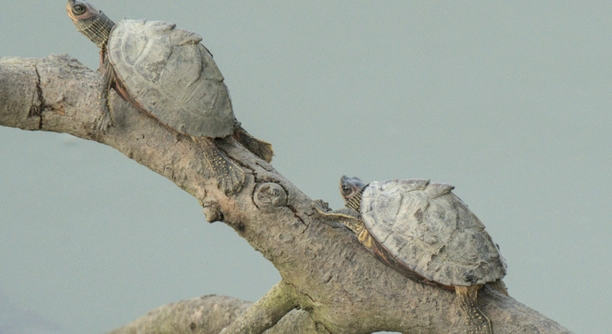
As the colder months approach, it’s important to ensure that your Indian Roofed Tortoise stays safe and comfortable. Cold weather can pose several risks to reptiles, and proper care is essential to maintain their health.
To protect your Indian Roofed Tortoise during cold weather, ensure they are housed in a warm, insulated environment. Use heat lamps, blankets, or heated enclosures to maintain a consistent temperature. Avoid direct drafts and sudden temperature fluctuations.
Understanding how to create a secure environment for your tortoise is key to keeping them safe and healthy. These simple tips will help ensure that they thrive, even in colder conditions.
Provide a Warm, Enclosed Space
During cold weather, the Indian Roofed Tortoise needs a well-maintained, warm environment. Their natural habitat is often warmer, so maintaining proper heat levels is essential for their survival. An indoor enclosure with a heat lamp is an easy solution. You can place the lamp on one side of the enclosure, allowing your tortoise to move between warmer and cooler areas. It’s important to monitor the temperature regularly to prevent overheating. The ideal temperature for an Indian Roofed Tortoise is between 75-85°F during the day, with a nighttime drop of no more than 10°F. Using a thermometer can help you maintain the correct temperature.
Maintaining the right temperature is key to keeping your tortoise active and healthy.
You can also consider using a heated blanket or pad underneath the enclosure for added warmth, but make sure it is safe for reptiles. Ensure that any space heaters or heat sources are used safely to avoid overheating or burns. If you live in a particularly cold climate, investing in a quality reptile thermostat can help keep the temperature consistent.
Hydration and Nutrition
Even in colder months, proper hydration and nutrition are important for your tortoise’s health.
Ensure they have access to fresh water daily, even if they are less active. Offer foods rich in fiber and low in water content to prevent the risk of dehydration.
Use a Suitable Substrate
Choosing the right substrate is essential for maintaining a healthy environment. A natural bedding like coconut fiber or organic soil can help with humidity levels and comfort. Avoid using sand or gravel, as these can cause digestive issues if ingested. Keep the substrate dry and clean to avoid mold growth and pests.
The substrate should also be deep enough to allow the tortoise to burrow. This provides them with a sense of security and allows them to regulate their body temperature. Make sure the bedding is spot-cleaned daily to remove any waste. A clean substrate will prevent odors and help keep your tortoise safe from any bacteria.
You can also consider adding a layer of leaves or hay on top of the substrate to simulate the tortoise’s natural environment. This will help retain moisture and further support temperature regulation. Make sure to change the bedding regularly to avoid buildup.
Offer Proper Lighting
Proper lighting plays a major role in your tortoise’s well-being during the colder months.
Invest in a UVB bulb to ensure your tortoise receives the necessary UV light for proper calcium absorption and vitamin D production. Without UVB light, they can develop shell deformities and other health problems. Place the light source over the basking area, ensuring it provides adequate warmth while also allowing your tortoise to bask comfortably.
The UVB light should be on for 10-12 hours a day, mimicking the natural daylight cycle. Make sure to change the bulb regularly, as they lose their effectiveness over time. Along with a UVB light, a heat lamp is needed to maintain warmth during colder weather.
Avoid Stressful Conditions
Cold weather can cause stress for your tortoise, especially if they are not acclimated properly. Ensure that the enclosure is quiet, away from heavy foot traffic or loud noises, as this can create anxiety. Stress can weaken their immune system, making them more susceptible to illness.
Keep the environment calm by limiting handling during colder months. Tortoises naturally become less active when it’s cold, so allowing them to rest undisturbed is important. Avoid frequent temperature fluctuations, as sudden changes can add additional stress to their already sensitive bodies. A stable and quiet space will help them feel secure.
Maintain Cleanliness
Keeping your tortoise’s enclosure clean is vital for their health.
Remove waste regularly and change the substrate often to avoid harmful bacteria build-up. Keeping the area clean will help maintain the right humidity and prevent odors from lingering. Ensure that the water dish is refilled daily with fresh water to promote hydration.
FAQ
How can I tell if my Indian Roofed Tortoise is too cold?
Signs that your tortoise may be too cold include lethargy, lack of appetite, and an unwillingness to bask. You may also notice them becoming more reclusive, spending time in hiding spots, or not moving around much. It’s essential to check the temperature in their enclosure regularly to ensure it stays within the ideal range. If they are not active or eating, it’s likely their environment is too cold. Warm them up slowly and ensure that the enclosure is properly heated.
What temperature is best for my Indian Roofed Tortoise?
The ideal temperature for an Indian Roofed Tortoise during the day should be between 75-85°F. Nighttime temperatures can drop to around 65-75°F. Maintaining this range helps keep your tortoise comfortable and active. Too high or too low temperatures can lead to health issues, such as dehydration, poor digestion, and weakened immune systems.
Can I use a heat rock to warm my tortoise’s enclosure?
It’s not recommended to use a heat rock for your Indian Roofed Tortoise. Heat rocks can get too hot and cause burns. Instead, use a ceramic heat emitter or a heat lamp that can be positioned at a safe distance to provide consistent warmth. These options allow you to regulate temperature better and avoid direct contact heat, which can harm your tortoise.
How can I increase humidity for my tortoise in cold weather?
To increase humidity, you can mist the substrate lightly or place a shallow water dish in the enclosure. You can also cover part of the enclosure with a damp towel or cloth to retain moisture. However, be cautious not to make the area too damp, as excess moisture can lead to mold growth or respiratory issues. A humidity gauge can help you monitor and adjust the levels to a comfortable range.
Can I house my Indian Roofed Tortoise outside in cold weather?
It’s generally not safe to house your Indian Roofed Tortoise outside during cold weather. They are not built for extreme cold and may suffer from hypothermia if left in temperatures below 50°F. Even though they can tolerate brief periods of cooler temperatures, their enclosure should be kept inside, especially during winter. If you absolutely must house them outside, ensure they have a heated shelter and a way to escape cold drafts.
How often should I feed my Indian Roofed Tortoise in winter?
During winter, your tortoise’s appetite may decrease due to the colder temperatures. It’s normal for them to eat less, but it’s important to still offer food regularly, about 2-3 times a week. Focus on providing high-fiber foods like leafy greens and weeds. Make sure fresh water is always available. Monitor their weight and behavior to ensure they are still getting the proper nutrients, and avoid overfeeding since they will be less active.
Should I bathe my Indian Roofed Tortoise in winter?
Yes, occasional baths are beneficial for your tortoise, even in winter. Warm baths help with hydration and promote digestion. Make sure the water is lukewarm, not too hot or cold. Bathing once a week is usually enough unless your tortoise shows signs of dehydration or constipation. Always dry them off gently afterward and return them to a warm environment.
What should I do if my Indian Roofed Tortoise isn’t eating in cold weather?
If your tortoise isn’t eating during the colder months, first ensure that the enclosure is at the proper temperature and humidity. If everything is in order, your tortoise may just be slowing down due to the seasonal change. You can try offering them a variety of foods or soak them in warm water to stimulate their appetite. If they continue to refuse food, it may be a sign of illness, and a veterinarian should be consulted.
How do I safely set up a basking area for my Indian Roofed Tortoise?
To set up a basking area, place a heat lamp above one side of the enclosure, allowing your tortoise to choose between cooler and warmer spots. The basking spot should reach around 90-95°F during the day. Ensure there’s enough space for them to move between the warm and cool areas, as they need to regulate their body temperature. Use a flat rock or a similar surface for the basking spot to allow for proper warmth absorption.
Can I use a regular light bulb for my tortoise’s basking area?
No, you should not use a regular light bulb for your tortoise’s basking area. A standard light bulb doesn’t provide the necessary UVB light that reptiles need to synthesize vitamin D3. Use a specialized reptile basking bulb with both heat and UVB. UVB light is essential for your tortoise’s health, helping them absorb calcium and prevent shell deformities.
Is it okay for my Indian Roofed Tortoise to hibernate during the winter?
Indian Roofed Tortoises do not typically hibernate in the wild, and it’s not recommended to force hibernation during winter. In colder climates, tortoises may become less active, but this is not true hibernation. If your tortoise is showing signs of dormancy, ensure that it is not caused by improper temperatures or other health issues. If you’re unsure, consulting a vet is always a good idea to avoid complications.
Final Thoughts
Taking care of an Indian Roofed Tortoise during cold weather requires careful attention to their environment and well-being. It is important to maintain stable temperatures in their enclosure and avoid exposing them to sudden drafts or extreme cold. By monitoring temperature and humidity, you can help ensure your tortoise remains comfortable throughout the colder months. With the right setup, these tortoises can remain healthy and active, even when temperatures drop outside.
The most crucial factors for keeping your tortoise safe in cold weather are heat and hydration. Always provide a reliable heat source that mimics their natural habitat. Ceramic heat emitters or heat lamps can help maintain the necessary warmth for your tortoise to thrive. It is also vital to keep their water supply fresh and accessible, as dehydration can occur more easily in winter. Offering food during winter is essential, but it’s natural for your tortoise to eat less. Monitor their behavior to ensure they are staying healthy and active.
Lastly, while it’s tempting to place your tortoise outside for fresh air, it’s better to keep them indoors during winter. Cold temperatures can cause serious health risks, such as hypothermia. Instead, focus on creating a warm and safe environment inside. Regular cleaning of their enclosure, maintaining proper humidity levels, and minimizing stress are other steps that contribute to their overall well-being. Following these simple steps will ensure that your Indian Roofed Tortoise stays safe and comfortable in colder weather.

Hello,
If you enjoy the content that we create, please consider saying a "Thank You!" by leaving a tip.
Every little bit helps us continue crafting quality advice that supports the health, happiness, and well-being of pets around the world, for pets of all shapes, sizes, and species.
We really appreciate the kindness and support that you show us!