
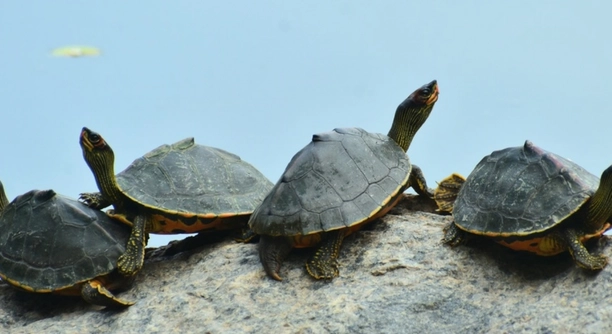
Indian Roofed Tortoises are known for their unique behavior, often sticking their heads out from their shells. This curious habit may leave you wondering why your tortoise does this frequently.
This behavior is typically due to the tortoise’s instinctual need to stay alert and aware of its surroundings. By extending its head, it can better monitor potential threats or sources of food. It’s a natural survival response.
Understanding the reasons behind this behavior can help ensure the health and well-being of your tortoise. Keep reading for insights into your tortoise’s habits and what they might indicate.
Why Do Indian Roofed Tortoises Stick Their Heads Out?
Indian Roofed Tortoises tend to stick their heads out as a natural behavior. When they extend their heads, it helps them observe their environment, making them feel more secure in their surroundings. This instinct allows them to detect potential dangers such as predators or unfamiliar movements, which is essential for their survival. By extending their head, they are able to assess their environment without fully emerging from their shell, which provides them with a sense of protection. This behavior is not unusual for tortoises in the wild and is often seen in captive tortoises as well.
This instinctual reaction can also be linked to the tortoise’s need to forage for food. By poking their heads out, they can search for food and evaluate their surroundings for new sources.
However, it’s essential to make sure your tortoise feels comfortable in its environment. Proper care, such as ensuring they have enough space and a clean habitat, will encourage them to display this natural behavior in a healthy way.
Environmental Factors Influencing Behavior
The environment plays a big role in why your tortoise keeps its head out. If it feels stressed or threatened by a loud or busy environment, it may react by poking its head out more often. This could be because it feels unsafe or is trying to monitor its space.
Changes in the environment, such as new smells or sounds, can also trigger this behavior. Even a new person in the room or changes in the temperature could cause your tortoise to become alert.
To ensure your tortoise remains calm, try to limit loud noises or sudden movements near its habitat. If possible, provide a peaceful and quiet space for your tortoise to relax and feel safe. Regularly monitoring its environment and ensuring that it’s stable will help keep your tortoise comfortable and reduce stress-related behaviors.
Tortoise Health and Behavior
A healthy tortoise will exhibit a variety of behaviors, including extending its head. Regularly sticking its head out can signal that it’s in good health, staying active, and monitoring its environment. However, if your tortoise frequently hides or seems lethargic, it may indicate a health issue.
Ensure your tortoise is eating a balanced diet with enough hydration, as proper nutrition plays a significant role in its behavior. A well-fed and hydrated tortoise will be more likely to exhibit normal behaviors, like sticking its head out when alert. On the other hand, dehydration or inadequate nutrition may lead to more passive behaviors or a lack of head extension.
Make sure your tortoise’s habitat is also set up correctly. This includes providing access to UVB light, a temperature gradient, and a suitable substrate for burrowing. These environmental factors contribute to overall health, which in turn can help maintain your tortoise’s natural instinct to stick its head out when it feels secure.
Stress Factors Affecting Tortoise Behavior
Stress can play a major role in why your tortoise sticks its head out frequently. A stressed tortoise may extend its head more often to stay alert and monitor its surroundings for threats. Stress factors can include noise, bright lights, or the presence of other animals in the environment.
Changes in habitat, especially when moving the tortoise to a new enclosure, can trigger heightened alertness. The tortoise might react by constantly stretching its head out, trying to assess the new surroundings. Also, overcrowding or poor living conditions can lead to anxiety and affect its behavior.
To reduce stress, keep the living area calm and stable. Minimize the presence of loud noises and sudden movements near your tortoise. Avoid introducing other animals into the habitat, and be mindful of its need for a consistent temperature and humidity level. Stress-free living conditions are vital to ensuring a healthy and active tortoise.
Temperature and Tortoise Behavior
Temperature directly impacts how your tortoise behaves. A tortoise will often stick its head out to adjust its body temperature. If the environment is too cold or too hot, it may become more active in an attempt to regulate its body heat.
Providing a temperature gradient within the habitat allows your tortoise to move to areas where it feels most comfortable. This helps ensure that your tortoise can manage its body temperature effectively. For example, if it feels too warm, it will move to a cooler spot. Similarly, if it’s too cold, it will seek warmth.
Make sure your tortoise has access to both a basking area with proper heat and a cooler space where it can retreat if it becomes too hot. These adjustments allow the tortoise to act naturally, such as sticking its head out to regulate its comfort.
Habitat Setup and Its Impact
A proper habitat setup is essential for your tortoise’s health and behavior. Inadequate space or improper conditions can cause the tortoise to exhibit unusual behavior, including more frequent head extension. It’s important to create an environment that mimics its natural habitat.
Ensure your tortoise has enough space to move around freely, as confinement can increase stress. Additionally, make sure the substrate is suitable for burrowing, as tortoises like to dig. This helps them feel secure and encourages natural behaviors like extending their head to check their surroundings.
Provide hiding spots or sheltered areas within the enclosure to help your tortoise feel safe. A balanced habitat setup can encourage your tortoise to stick its head out as part of its natural exploration.
The Role of Social Interaction
Social interaction influences how your tortoise behaves. While tortoises are generally solitary animals, some can benefit from the presence of other tortoises. Social interaction can encourage head extension as they assess their surroundings or each other.
However, be mindful of introducing other tortoises into the habitat. Too much interaction can cause stress, leading to excessive head extension as a sign of alertness. Each tortoise has its own social needs, so observe how your tortoise reacts to changes in its environment, including the presence of others.
FAQ
Why does my Indian Roofed Tortoise always stick its head out?
Your tortoise may be sticking its head out as a natural behavior to stay alert. By extending its head, it can better assess its surroundings for potential threats or food. This is an instinctual survival mechanism that allows the tortoise to remain cautious while still staying protected inside its shell.
Is this behavior normal for an Indian Roofed Tortoise?
Yes, this is normal behavior. Indian Roofed Tortoises are naturally cautious animals, and sticking their heads out helps them monitor their environment. It’s a way for them to feel secure while still being able to observe their surroundings for any potential danger or opportunity.
Could my tortoise be stressed if it sticks its head out too much?
While sticking its head out is natural, excessive or constant head extension might indicate stress. Stress can be caused by environmental changes, loud noises, or overcrowded living spaces. If your tortoise appears to be in distress or behaving erratically, it may be a sign that it is feeling unsafe or uncomfortable.
How can I tell if my tortoise is stressed?
Signs of stress in a tortoise include excessive head extension, lethargy, refusal to eat, hiding more than usual, or defensive behavior like withdrawing into its shell. If you notice these signs, it’s important to assess its environment and make sure it’s quiet, safe, and comfortable.
What is the best habitat setup for my Indian Roofed Tortoise?
A proper habitat setup is crucial for the health and well-being of your tortoise. Provide a spacious enclosure with access to both warm and cool areas to allow temperature regulation. Include a substrate suitable for burrowing, such as coconut coir or organic topsoil, and provide hiding spots to make it feel secure.
How important is temperature for my tortoise?
Temperature is very important for your tortoise’s behavior and health. A proper temperature gradient helps your tortoise regulate its body heat. Ensure there’s a basking area with a temperature between 90-95°F (32-35°C) and a cooler area around 75-80°F (24-27°C) for it to retreat to when needed.
Can my tortoise be kept with other animals?
It’s generally not recommended to house your tortoise with other species, especially if the other animals are more active or larger. Tortoises are solitary creatures, and introducing other animals can lead to stress or aggression. If you do decide to introduce another tortoise, make sure the enclosure is large enough for both to coexist peacefully.
How do I make sure my tortoise feels safe in its habitat?
To make your tortoise feel safe, provide enough space, hiding areas, and a stable environment. Avoid sudden changes in temperature, lighting, or noise levels. You can also include rocks, plants, and logs for climbing and exploration. Ensuring that your tortoise’s environment is as close to its natural habitat as possible will help it feel secure.
Why does my tortoise stick its head out more at certain times of the day?
Your tortoise’s behavior might vary depending on its activity cycle. Tortoises are usually more active during the day when they are searching for food or monitoring their environment. It’s normal for them to extend their heads more often during these times to stay alert.
Should I be concerned if my tortoise isn’t sticking its head out?
If your tortoise isn’t sticking its head out, it may be a sign of illness, stress, or that it’s simply in a more passive state. Tortoises often retreat into their shells when they feel unsafe or when they are not feeling well. If this behavior persists, consider monitoring its health closely or consulting a veterinarian.
What should I do if my tortoise is acting overly aggressive?
Overly aggressive behavior in tortoises can stem from stress, overcrowding, or territorial issues. Make sure your tortoise has enough space and a comfortable environment. If you have multiple tortoises, ensure they have separate areas to prevent fights. Reducing stress in the habitat can help calm aggressive tendencies.
Can a lack of food cause my tortoise to stick its head out more often?
Yes, hunger or a lack of proper food can cause your tortoise to become more alert and active, leading it to stick its head out more often. Tortoises are constantly on the lookout for food, and if their diet is insufficient, they may spend more time searching and being alert for food sources. Ensure your tortoise receives a balanced diet with plenty of leafy greens, vegetables, and occasional fruits.
How can I improve my tortoise’s diet?
A balanced diet is essential for your tortoise’s health. Feed it a variety of leafy greens like collard greens, dandelion greens, and mustard greens. You can also offer vegetables such as squash, carrots, and bell peppers. Occasionally, provide fruits like strawberries or apples, but in moderation, as they can be high in sugar.
What should I do if my tortoise is not eating?
If your tortoise isn’t eating, it could be a sign of illness, stress, or an environmental issue. Check its temperature, humidity, and overall habitat conditions. If everything appears normal, but your tortoise still refuses food, consult a vet to rule out any health problems.
Why is my tortoise hiding more often than sticking its head out?
Hiding behavior is natural when your tortoise feels stressed or insecure. If your tortoise is hiding more often, it could be due to changes in its environment, temperature fluctuations, or possible illness. Ensure that its habitat is quiet, comfortable, and free of disturbances to help it feel more at ease.
Final Thoughts
Understanding why your Indian Roofed Tortoise sticks its head out is an important part of providing the best care for it. This behavior is usually a sign of curiosity and alertness, as tortoises rely on their surroundings for safety and food. It’s normal for them to stick their head out to stay aware of their environment, particularly when they feel secure. While it’s important to monitor any changes in behavior, such as excessive head extension or hiding, most tortoises will exhibit this behavior throughout their daily routines. It shows that they are alert and aware of their surroundings.
However, if the behavior becomes excessive or the tortoise shows signs of stress, it may be worth examining its environment more closely. Stress can result from environmental changes, such as fluctuations in temperature, loud noises, or overcrowded living spaces. Tortoises, like many reptiles, need a calm, stable environment to feel safe. If your tortoise is constantly sticking its head out or acting more aggressively than usual, it could be a sign that something in its habitat needs adjusting. Consider providing more hiding spaces, adjusting the lighting and heating, or checking that the enclosure is large enough to give your tortoise room to roam.
By observing these natural behaviors and addressing any changes promptly, you can ensure that your tortoise remains healthy and happy. Providing the proper care, a balanced diet, and a comfortable, secure environment will help keep your tortoise feeling safe. In turn, this will allow it to exhibit its natural behaviors without unnecessary stress or discomfort. A happy tortoise is one that feels secure enough to go about its daily routines, including sticking its head out to observe the world around it.

Hello,
If you enjoy the content that we create, please consider saying a "Thank You!" by leaving a tip.
Every little bit helps us continue crafting quality advice that supports the health, happiness, and well-being of pets around the world, for pets of all shapes, sizes, and species.
We really appreciate the kindness and support that you show us!