
Indian Roofed Tortoises are fascinating creatures that are often overlooked. These reptiles are unique in many ways, offering interesting characteristics that make them stand out among other tortoises. Let’s uncover some of their hidden secrets.
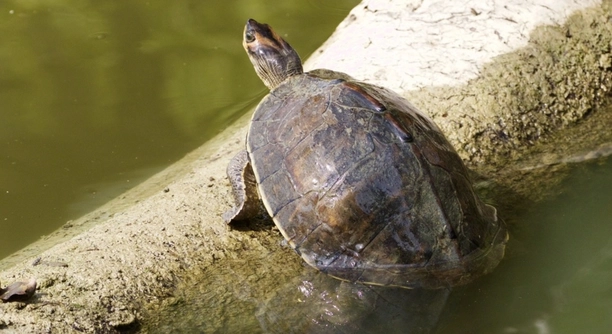
The Indian Roofed Tortoise is named for the shape of its shell, which resembles a roof. It is known for its ability to adapt to various habitats, from forests to grasslands, and for its calm, slow-moving nature.
These tortoises are known for their distinctive behavior and habits, which set them apart from other species. There’s more to discover about these creatures and what makes them so special.
Unique Shell Shape of the Indian Roofed Tortoise
The most recognizable feature of the Indian Roofed Tortoise is its distinct shell, which has a shape resembling a roof. The edges of its shell curve upwards, providing a shield-like appearance. This unique structure not only makes the tortoise stand out but also serves a functional purpose. It protects the animal from predators and environmental hazards. The shape also plays a role in how the tortoise moves through its habitat, offering stability and balance. The shell is typically brown, often with a pattern of yellow or orange that adds to its beauty. Unlike many other tortoises, the Indian Roofed Tortoise has a more domed shell that gives it a slightly higher profile. This variation helps it blend into its natural surroundings, especially in the wild forests and grasslands of India. The shell’s robustness ensures the tortoise’s survival, offering it the right defense mechanisms against external threats.
The tortoise’s shell is more than just an exterior defense; it’s essential to its daily life and movement. It also provides shelter, allowing the tortoise to retreat inside when necessary.
One of the most interesting aspects of the Indian Roofed Tortoise is how its shell grows with it. As the tortoise matures, the shell becomes larger and more pronounced, reinforcing its protective function. Its unique roof-like design also helps it blend in with the foliage and terrain of its natural habitat. This feature makes it less likely to be noticed by predators. Unlike other species of tortoises, the Indian Roofed Tortoise is not as aggressive in terms of defense. Instead, it relies on its shell to do the work. As the tortoise moves, it may use its shell to wedge itself between rocks or trees for better shelter, ensuring it remains safe from threats. The structure of its shell, combined with its slow and cautious movements, helps the Indian Roofed Tortoise survive in its natural environment.
Diet of the Indian Roofed Tortoise
The Indian Roofed Tortoise is an herbivore, feeding mostly on a variety of plants. Its diet typically includes grasses, leaves, fruits, and flowers.
Due to its plant-based diet, the tortoise spends a lot of time foraging for food in its natural habitat. It is particularly fond of tender vegetation and fresh green leaves, which are abundant in its native forests and grasslands. The tortoise also consumes a variety of fruits and flowers when available, ensuring it gets the necessary nutrients. Unlike some other species of tortoises, the Indian Roofed Tortoise doesn’t require a specialized diet and can easily adjust to different types of plant material. This flexibility helps it thrive in a wide range of habitats, from dry grasslands to tropical forests. The tortoise’s feeding habits are key to its survival, and its ability to adapt to various environments makes it resilient. Additionally, its slow metabolism allows it to go without food for extended periods, especially in harsher conditions. This slow metabolism ensures that the tortoise can survive in areas where food sources are not always abundant.
Habitat of the Indian Roofed Tortoise
The Indian Roofed Tortoise can be found in a variety of environments, including grasslands, forests, and even near riverbanks.
It thrives in warm, tropical climates and prefers areas with dense vegetation. The tortoise often seeks shelter under trees or bushes, where it can find both food and cover. These areas also provide the right level of humidity, which is essential for the tortoise’s health. In the wild, it spends most of its time on the ground, moving between shaded spots to regulate its body temperature. Despite its adaptability, it is mostly found in parts of India, where the conditions are favorable for survival.
While the tortoise can survive in different types of terrain, it is particularly drawn to areas with abundant greenery. The plants and vegetation available in these regions offer a steady food supply, ensuring the tortoise remains well-nourished. This adaptability is what has allowed the species to continue thriving over time. Its habitat preferences are closely linked to the types of plants and the shelter they provide, making it easier for the tortoise to find both food and protection.
Reproduction and Lifespan
Indian Roofed Tortoises are known for their relatively long lifespan, living up to 30 years or more in the wild.
These tortoises reach sexual maturity after several years, typically around 6 to 8 years of age. During mating season, the male tortoises engage in a ritual of head bobbing and shell biting to attract females. Once a pair has mated, the female will dig a nest in the ground, where she will lay a clutch of eggs. The eggs are then covered with soil, and the female leaves them to incubate naturally. Depending on environmental conditions, the eggs usually hatch in about 3 to 4 months.
After hatching, baby tortoises are completely independent and must fend for themselves right away. They are small and vulnerable, relying on the protection of their shells and the environment to survive. While some may face challenges, their hardiness and natural instincts often help them overcome early obstacles. The lifespan of the Indian Roofed Tortoise is influenced by factors such as food availability, environmental conditions, and predation, but in protected habitats, they can live long, healthy lives.
Behavior and Temperament
Indian Roofed Tortoises are calm and slow-moving, often seen quietly roaming their habitat in search of food.
These tortoises are not aggressive and prefer to keep to themselves. They are solitary creatures, spending much of their time foraging and resting. While they do not typically seek interaction with others, they will tolerate the presence of other tortoises, especially during mating season.
Although slow, they are curious and may explore their surroundings when conditions are right. They are more active during the warmer months and often retreat into the shade during the hotter parts of the day.
Adaptability to Different Climates
The Indian Roofed Tortoise is highly adaptable to different climates, able to adjust to both dry and humid conditions.
This tortoise can live in a range of environments, including areas with moderate rainfall or regions that experience periods of drought. Its ability to survive in these varying climates is mainly due to its low metabolic rate, allowing it to go without food or water for extended periods. The tortoise’s thick shell also helps protect it from the elements, keeping it safe from intense sun or light rain.
Interaction with Humans
Indian Roofed Tortoises are not typically aggressive toward humans but may become defensive if threatened.
They tend to remain calm and rarely bite unless provoked. However, their ability to retreat into their shells quickly makes them hard to interact with when they feel stressed. They are often kept as pets, where they require proper care and attention to stay healthy.
FAQ
What do Indian Roofed Tortoises eat?
Indian Roofed Tortoises are herbivores and mainly feed on grasses, leaves, fruits, and flowers. Their diet is flexible, allowing them to survive in various habitats where different plants are available. They tend to seek out fresh, tender vegetation, which is abundant in their native areas. They may also eat fallen fruits and blossoms, depending on what is in season. A healthy diet for these tortoises includes a mix of leafy greens and occasional fruits to ensure they get the necessary vitamins and minerals. However, they do not require a specialized diet and can easily adjust to a wide variety of plant materials.
Where do Indian Roofed Tortoises live?
Indian Roofed Tortoises are native to India, typically found in forests, grasslands, and even near riverbanks. They prefer warm, tropical environments with plenty of vegetation, which provides both food and shelter. In the wild, they can be found living in areas with a steady water supply, though they don’t spend much time in water. They usually seek shelter under trees, bushes, or rocks, where they can stay protected from the sun and predators. The tortoises are well-adapted to their habitats, blending in with the landscape due to their brown, patterned shells.
How long do Indian Roofed Tortoises live?
Indian Roofed Tortoises have a lifespan of around 30 years or more in the wild, although their life expectancy can vary depending on their environment and any threats they face. In captivity, with proper care, they can live longer due to the controlled conditions that protect them from predators and provide them with a steady food source. Their long lifespan is a result of their slow metabolism, which allows them to live on less food and water. However, their survival largely depends on avoiding predators and living in a safe, nurturing environment.
How big do Indian Roofed Tortoises get?
Indian Roofed Tortoises typically grow to around 12 to 16 inches in length, though some individuals may grow slightly larger. Their size is mainly determined by their diet, genetics, and environmental factors. The size of their shell, which is their most prominent feature, allows them to protect themselves from many predators. Despite their relatively small size, they are known for their strength and ability to adapt to different environments. Their slow growth rate also means that they require several years to reach full maturity.
How can I care for an Indian Roofed Tortoise as a pet?
Caring for an Indian Roofed Tortoise requires a few basic steps. They need a spacious habitat, such as a large enclosure with access to both shaded and sunny spots. A diet rich in leafy greens and occasional fruits is important for their health. Additionally, they require a source of clean water for drinking, though they do not need to swim. It’s essential to maintain the right temperature, as they thrive in warm conditions. They also require a quiet and calm environment to reduce stress. Providing a clean, safe environment will help your tortoise live a long, healthy life.
Are Indian Roofed Tortoises good pets?
Indian Roofed Tortoises can make good pets for those who are prepared to meet their specific care needs. They are calm creatures that do not require constant attention, making them ideal for people who enjoy low-maintenance pets. However, they still need a proper habitat, a suitable diet, and the right temperature to stay healthy. They are also slow-growing and can live for several decades, meaning they are a long-term commitment. As with any pet, it is essential to do research before deciding if an Indian Roofed Tortoise is the right fit for your lifestyle.
Do Indian Roofed Tortoises need a lot of space?
Indian Roofed Tortoises are not highly active, but they do need a fair amount of space to move around and explore. They are territorial creatures and prefer having a large area to roam. Whether kept indoors or outdoors, their living space should be large enough for them to walk, dig, and forage for food. An outdoor enclosure is ideal, but if you’re keeping them indoors, make sure they have a large terrarium or pen with both shaded and sunny areas to help regulate their body temperature.
Can Indian Roofed Tortoises live with other tortoises?
Indian Roofed Tortoises are generally solitary creatures, so they can live with other tortoises, but it’s essential to monitor their interactions. While they are not aggressive, they may become territorial, especially if resources like food or shelter are limited. If you choose to house more than one tortoise, make sure they have enough space and resources to reduce the risk of stress or conflict. It’s also crucial to ensure that the tortoises are compatible in terms of size and temperament.
What temperature do Indian Roofed Tortoises need?
Indian Roofed Tortoises require warm temperatures to thrive, ideally between 75°F and 85°F (24°C to 29°C) during the day. Nighttime temperatures can drop slightly but should not fall below 70°F (21°C). They are more active in warm conditions and require access to both sunny and shaded areas within their habitat to regulate their body temperature. It’s essential to use a heat lamp or other heating source to maintain these temperatures, especially if the tortoise is being kept indoors. A consistent, warm environment is key to their health and well-being.
Are Indian Roofed Tortoises endangered?
Indian Roofed Tortoises are not considered endangered, but they do face threats in the wild. Habitat destruction, poaching, and the pet trade have all contributed to their declining numbers in certain areas. In some regions, they are protected by laws that help conserve their natural habitats. While they are not on the endangered species list, it’s important to ensure that they are not removed from the wild without proper consideration. Responsible pet ownership and conservation efforts help maintain healthy populations of these tortoises in their native habitats.
Final Thoughts
Indian Roofed Tortoises are fascinating creatures that bring a unique charm to their natural habitats. Known for their distinctive shell shape and calm demeanor, they are a standout species in the tortoise family. These reptiles are adaptable and can thrive in various environments, from dense forests to open grasslands, showcasing their ability to adjust to different climates. Their diet mainly consists of plants, and they spend much of their time foraging for fresh leaves and fruits. Their slow metabolism allows them to survive on less food and water, which is why they can endure in challenging conditions.
If you are considering keeping an Indian Roofed Tortoise as a pet, it is essential to understand their specific care needs. While they do not require constant attention, they need a spacious and suitable habitat to thrive. Proper temperature control, a balanced diet, and access to clean water are key to their well-being. Providing an environment that mimics their natural surroundings can help them live longer, healthier lives. With the right care, these tortoises can be a peaceful addition to any home, offering a rewarding experience for pet owners who are willing to make the commitment.
In the wild, Indian Roofed Tortoises face various challenges, including habitat loss and the threat of poaching. While they are not currently endangered, it is important to support conservation efforts that help preserve their habitats. Responsible pet ownership also plays a role in protecting the species. By ensuring that tortoises are not taken from the wild and are cared for properly in captivity, we can help maintain healthy populations of these incredible reptiles. The Indian Roofed Tortoise is a unique and remarkable species that deserves our respect and attention.

Hello,
If you enjoy the content that we create, please consider saying a "Thank You!" by leaving a tip.
Every little bit helps us continue crafting quality advice that supports the health, happiness, and well-being of pets around the world, for pets of all shapes, sizes, and species.
We really appreciate the kindness and support that you show us!