
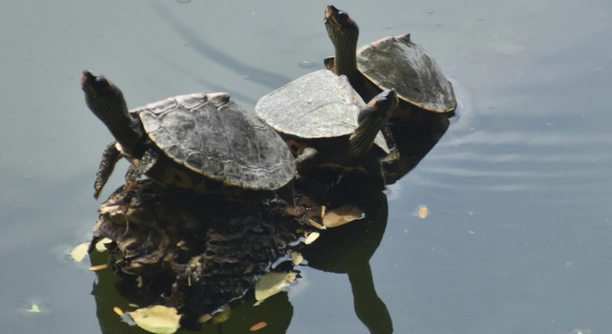
Sometimes, your Indian Roofed Tortoise may climb over its tank mates, leaving you wondering what’s behind this behavior. Understanding this can help ensure a peaceful and comfortable environment for all your reptiles.
The climbing behavior can stem from territorial instincts, the need for more space, or a desire to explore. Stress from cramped conditions or insufficient resources may also trigger this activity, as your tortoise seeks a better position or territory.
Understanding these factors will help you create a more balanced and stress-free habitat for your tortoise and tank mates.
Why Does My Indian Roofed Tortoise Keep Climbing Over Its Tank Mates?
The Indian Roofed Tortoise is a species known for its curious nature, often exploring its surroundings and interacting with its tank mates. When your tortoise climbs over others, it is usually in search of more space, better visibility, or a more secure spot in the tank. This behavior can also be triggered by stress from overcrowded conditions or a lack of resources. If multiple tank mates are vying for the same space, your tortoise may climb to assert dominance or simply find a more comfortable place to rest. Understanding these factors can help you manage and improve the living environment for your reptiles.
Providing enough space for each tank mate is crucial to prevent stress-related behaviors. Ensuring that each tortoise has its own area to explore will reduce the chances of climbing over others. A well-arranged tank with designated spots for hiding, basking, and resting is essential.
Proper tank management is essential to creating a peaceful environment. Avoid overcrowding by providing ample room for each tank mate. In addition, ensure that there are enough hiding spots and basking areas for each tortoise to feel secure. Monitor your tortoise’s behavior closely to ensure they aren’t stressed or struggling to find enough space. A balanced environment will reduce climbing behaviors and help your tortoise thrive.
How Can Stress Affect Your Indian Roofed Tortoise?
Stress can be a significant factor in your tortoise’s climbing behavior. Common stressors include temperature fluctuations, inadequate hiding spots, or being housed with incompatible tank mates. When a tortoise feels threatened or uncomfortable, it will likely climb or roam to escape the stressor.
Environmental changes can disrupt your tortoise’s sense of security. Inconsistent temperatures can cause discomfort and lead to abnormal behavior, such as climbing. Your tortoise may climb to seek a more favorable spot or to avoid others in the tank that it feels threatened by. Adjusting the tank’s environment to ensure proper humidity and temperature is crucial for preventing stress.
Beyond physical space, the psychological well-being of your tortoise matters. Tanks that are too small or lack enrichment may lead to stress, making climbing behavior a way to cope. Stress can also reduce your tortoise’s appetite and overall health. Adjusting the environment to meet your tortoise’s needs, such as adding more hiding spots or improving lighting, will help prevent stress-related climbing.
Providing Proper Tank Space
A cramped tank can lead to stress, encouraging your tortoise to climb over others. Ensuring enough space for each tank mate will reduce this behavior. A larger tank allows for natural movement and reduces competition for space.
When your tortoise feels confined, it will likely try to escape or assert dominance over others. It may climb over its tank mates to secure a spot that feels more comfortable. To prevent this, invest in a larger tank that provides ample space for each tortoise. A bigger tank with proper zones for basking and hiding encourages more natural behaviors and minimizes stress.
Placing objects such as rocks, logs, or plants in the tank can provide additional climbing opportunities without overcrowding. This creates a more stimulating environment for your tortoise and keeps them engaged. By offering plenty of hiding places, basking spots, and space to move freely, your tortoise will feel more at ease and will be less likely to climb over others. A balanced, spacious tank can help keep stress at bay.
The Importance of Tank Mate Compatibility
Tank mates should be compatible to prevent aggression and climbing behaviors. Aggressive interactions can result from territorial instincts, with tortoises climbing over each other to assert dominance. It’s essential to house tortoises of similar sizes and temperaments to avoid conflicts.
When choosing tank mates for your Indian Roofed Tortoise, make sure they have similar activity levels and behavior. Tortoises that are too dominant or aggressive may provoke stress in others, leading to climbing behaviors. If your tortoises frequently fight or seem uncomfortable with each other, it’s best to separate them. You can reduce conflict by carefully monitoring interactions and making adjustments as needed.
Additionally, consider the size of the tank relative to the number of inhabitants. Overcrowding can increase the likelihood of climbing over tank mates, as each tortoise competes for limited resources. By carefully selecting tank mates and ensuring there’s enough space, you can create a peaceful environment for your tortoises.
Tank Layout and Enrichment
Your tortoise needs more than just space; it requires a stimulating environment to thrive. A well-designed tank layout encourages natural behaviors and reduces climbing. Adding objects for climbing and hiding can help.
A diverse tank layout with rocks, logs, and plants provides climbing opportunities while offering areas for rest and retreat. These features will reduce stress and prevent excessive climbing behaviors. Additionally, providing a variety of textures and hiding spots allows your tortoise to feel secure and active. A well-enriched environment encourages more exploration and less climbing over tank mates.
Temperature and Lighting
Proper temperature and lighting are essential for your tortoise’s well-being. A fluctuating or unsuitable environment can lead to stress, making your tortoise more likely to climb over others in search of comfort. Maintaining a consistent temperature range with proper UVB lighting supports a healthy tortoise.
Ensure the tank’s temperature is appropriate for your tortoise species, with a warm basking area and cooler areas for resting. UVB lighting helps with calcium absorption, supporting shell health and overall vitality. By providing optimal lighting and temperature, you can reduce the likelihood of your tortoise climbing due to discomfort or stress.
Handling Stress Factors
Other stress factors can include noise, sudden movements, or improper humidity levels. These can make your tortoise more likely to climb in search of relief. A calm and quiet environment will help prevent such behaviors.
Keeping the tank in a quiet room, away from direct sunlight or drafts, creates a peaceful environment. Regularly checking humidity levels ensures your tortoise feels comfortable and secure. Adjusting the surroundings to minimize stressors can help keep climbing behaviors at bay. A balanced habitat leads to a calmer, more content tortoise.
FAQ
Why does my Indian Roofed Tortoise climb on its tank mates?
Climbing over tank mates is typically a sign of territorial behavior, stress, or a lack of space. Your tortoise may be trying to establish dominance or simply looking for a more comfortable spot. If the tank is overcrowded, climbing may also occur as a way to navigate around other tortoises. Ensuring ample space for each tank mate can help reduce this behavior.
How can I prevent my tortoise from climbing on its tank mates?
To stop this behavior, provide more space and resources in the tank. Create distinct zones for basking, hiding, and resting. Add rocks, logs, and plants to help break up the tank into manageable areas. This helps your tortoise feel more secure and reduces the desire to climb over others.
Can stress make my tortoise climb more often?
Yes, stress can cause your tortoise to engage in climbing behaviors. Factors such as overcrowding, temperature fluctuations, or poor tank conditions can trigger stress. To minimize this, keep the tank environment consistent, reduce the number of tank mates, and ensure proper humidity levels. A stress-free environment helps reduce unwanted climbing.
Should I separate aggressive tortoises from others?
If your tortoises are showing signs of aggression, such as constant climbing or fighting, it’s best to separate them. Aggressive behaviors can lead to injuries and stress for all tank mates. Monitor interactions closely and be prepared to provide separate spaces if necessary. Compatibility between tortoises is crucial for a peaceful habitat.
What size tank do I need for multiple tortoises?
A larger tank is always better for multiple tortoises. A 75- to 100-gallon tank is generally recommended for one tortoise, but you will need more space for each additional one. For two tortoises, a 150-gallon tank or larger is ideal. The more room available, the less likely your tortoises will feel cramped or stressed.
How often should I clean my tortoise tank?
Cleaning your tortoise tank regularly is important for maintaining a healthy environment. Remove waste and uneaten food daily, and clean the tank thoroughly once a week. Use safe, non-toxic cleaners to disinfect surfaces and replace substrate as needed. A clean tank helps prevent stress and illness, contributing to overall well-being.
Can tank temperature affect climbing behavior?
Yes, temperature plays a significant role in your tortoise’s comfort. If the tank is too hot or too cold, your tortoise may become stressed and start climbing to escape discomfort. Ensure that your tortoise has access to a warm basking area and cooler spaces for resting. Consistent temperature control will help prevent climbing caused by stress.
What should I do if my tortoise is not eating?
If your tortoise isn’t eating, check its tank conditions. Poor temperature, lighting, or humidity can cause a loss of appetite. Stress from overcrowding or poor tank mate compatibility can also reduce food intake. Ensure that your tortoise has a comfortable, secure space and is provided with the proper food for its species.
Is it normal for my tortoise to climb frequently?
Climbing is normal for a tortoise to some extent, as it is a natural behavior. However, frequent climbing, especially over tank mates, may signal stress or territorial disputes. Assess the space and resources available in the tank. If climbing is excessive, re-evaluate the tank setup and consider separating tank mates if necessary.
How can I create a better environment for my tortoise?
To improve your tortoise’s environment, ensure it has enough space, proper lighting, temperature, and humidity. Add enrichment items like rocks, logs, and plants to mimic its natural habitat. A peaceful and secure space will encourage natural behaviors, reduce climbing, and support overall health. Regularly monitor the tank’s conditions to maintain a healthy habitat.
Can my tortoise be lonely if kept alone?
Tortoises are generally solitary creatures and do not need constant companionship. However, if housed with other tortoises, they should be compatible in terms of size and temperament. If kept alone, a tortoise may not feel lonely but should still have enough stimulation and space to remain active and engaged.
Should I give my tortoise more food if it’s climbing a lot?
Climbing behaviors are unlikely to be directly linked to hunger. However, a tortoise may climb to assert dominance or claim food resources. Ensure that your tortoise is being fed a balanced diet appropriate for its species. If climbing is related to food competition, consider providing multiple feeding areas to reduce stress.
How can I tell if my tortoise is stressed?
Signs of stress in tortoises include excessive climbing, hiding, lethargy, loss of appetite, or changes in behavior. If your tortoise is frequently climbing over others or seems uncomfortable, check for environmental stressors like improper temperature or overcrowding. Reducing stressors and improving the tank environment will help your tortoise feel more secure.
What type of lighting is best for my tortoise?
UVB lighting is crucial for your tortoise’s health, as it helps with calcium absorption and promotes overall well-being. Make sure the lighting is set on a timer to mimic a natural day-night cycle. Tortoises also need a basking spot with higher temperatures to regulate their body heat.
Can poor tank conditions cause my tortoise to climb?
Yes, poor tank conditions such as low temperature, improper humidity, or insufficient space can stress your tortoise and lead to climbing behaviors. Make sure the tank provides the necessary conditions for your tortoise’s health. A stable, comfortable environment can help reduce climbing and improve overall behavior.
How do I prevent aggression between tank mates?
To prevent aggression, make sure your tank mates are compatible in terms of size and temperament. Provide enough space, hiding spots, and basking areas so each tortoise has its own space. If aggression occurs, separate the tortoises to prevent injury or further stress. Keep an eye on interactions to ensure everyone feels secure.
Final Thoughts
Understanding why your Indian Roofed Tortoise climbs over its tank mates is essential in creating a peaceful and comfortable environment for them. These behaviors can often be linked to stress, overcrowding, or a lack of space, which makes it important to assess the tank conditions regularly. When tortoises feel threatened, stressed, or uncomfortable, they may display climbing behaviors as a way to assert dominance or escape from an unpleasant situation. By providing ample space, proper hiding spots, and a comfortable temperature, you can help reduce the likelihood of climbing and other stress-related actions.
It’s also vital to recognize that tortoises are naturally territorial animals. This means that even in a well-maintained tank, there may still be some competition for resources, such as food or basking spots. This can lead to climbing and other forms of dominance display. Offering multiple food and basking areas will allow each tortoise to have its own space, which can help in reducing aggressive behaviors. Regularly monitor interactions between tank mates, and be prepared to separate them if aggression or climbing becomes frequent. The health and well-being of your tortoises should always be your top priority.
Ultimately, creating the best environment for your tortoises goes beyond simply addressing climbing behaviors. It’s about fostering a space where your tortoises can thrive physically and emotionally. Regular cleaning, appropriate diet, and temperature control all play a significant role in maintaining their overall health. By ensuring that each tortoise has its own territory and that stress factors are minimized, you can improve their quality of life. This not only helps in reducing climbing behaviors but also ensures that your tortoises remain happy, healthy, and comfortable in their habitat.

Hello,
If you enjoy the content that we create, please consider saying a "Thank You!" by leaving a tip.
Every little bit helps us continue crafting quality advice that supports the health, happiness, and well-being of pets around the world, for pets of all shapes, sizes, and species.
We really appreciate the kindness and support that you show us!