
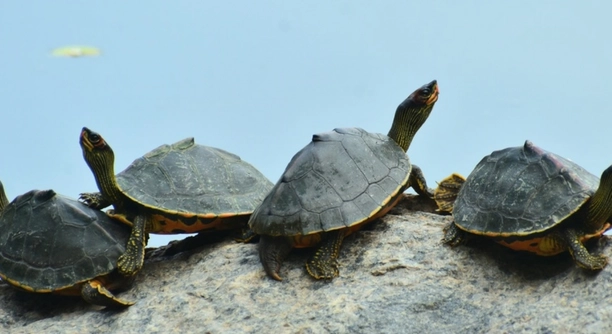
Indian Roofed Tortoises are a unique species often found in tropical areas. They have adapted to their environment, but like many animals, they face threats from predators. Protecting these tortoises is essential for their survival.
The natural predators of Indian Roofed Tortoises include large birds of prey, wild mammals, and reptiles. These predators pose a significant threat, especially to younger tortoises, which are more vulnerable due to their smaller size and lack of defensive strength.
Understanding these predators is crucial to helping protect these tortoises from harm. There are steps you can take to keep them safe from natural dangers.
Common Predators of Indian Roofed Tortoises
Indian Roofed Tortoises face threats from various predators in their natural habitat. Birds of prey such as eagles and hawks are some of the most dangerous, as they have sharp talons and excellent vision. They are able to spot a small tortoise from high above and swoop down to grab it. Wild mammals, like jackals and dogs, also pose a threat. These predators often attack tortoises by targeting their soft underbellies when they are vulnerable. Large snakes, like pythons, are another risk, as they are capable of swallowing a tortoise whole. Additionally, some reptiles, including monitor lizards, can overpower tortoises if given the chance.
While these predators can be found across the tortoises’ natural range, they are often most active in areas with dense vegetation and open ground, where they can easily stalk and ambush. Protecting the tortoises from these threats requires understanding the animals and their behaviors.
Many predators are opportunistic, so protecting the habitat of the Indian Roofed Tortoise is essential. Ensuring that they have a safe space with enough cover and access to water can reduce their vulnerability.
How to Protect Indian Roofed Tortoises
To protect Indian Roofed Tortoises, creating a safe environment is key. If you’re keeping them in captivity, it’s important to provide a secure enclosure with proper fencing to keep larger predators away. The fence should be high enough and extend below the ground to prevent burrowing animals from getting through. Providing plenty of hiding spots in the form of rocks, logs, and plants can give them a sense of security, especially when they feel threatened.
In the wild, efforts can be made to preserve natural habitats. Maintaining the balance of ecosystems through forest preservation and reducing human interference can help ensure that tortoises are not exposed to unnatural threats. Furthermore, by monitoring local wildlife populations and their behaviors, researchers can better understand predator-prey dynamics. Educating local communities about the importance of tortoises and their role in the ecosystem can also reduce human-wildlife conflicts.
By focusing on these protective measures, we can help safeguard Indian Roofed Tortoises from predators.
Habitat Considerations for Protection
The habitat of the Indian Roofed Tortoise plays a major role in keeping them safe from predators. Choosing the right environment can make a big difference in their survival chances. Tortoises need space to roam, but it should be secured from larger animals.
A well-planned enclosure offers the necessary protection against predators. Ensure the area has strong, tall fencing that prevents animals like wild dogs or foxes from reaching the tortoise. The ground should be made secure by burying the fence a few inches into the soil. This way, the tortoise remains protected even when it burrows.
Adding plenty of natural cover is also important. Trees, bushes, and rocks can provide the tortoises with places to hide when they sense danger. The more shelter they have, the less likely it is that predators will find them. A shaded environment helps reduce stress and also keeps the tortoises comfortable in warm weather.
Diet and Health of Indian Roofed Tortoises
A proper diet plays a significant role in the overall health and defense of the Indian Roofed Tortoise. Feeding them the right foods ensures that they are strong and less vulnerable to attacks. A healthy tortoise is more likely to escape from predators or even survive an attack.
Their diet should consist mainly of grasses, leaves, and occasional fruits. These foods help maintain a healthy shell and strong limbs, which are essential for quick movements. It’s also important to avoid overfeeding, as this can lead to obesity, which can affect their mobility. By keeping them fit, they will be better equipped to escape predators when needed.
Providing a clean water source is equally important. Hydration helps support their immune system and ensures their overall well-being. It also keeps their shells healthy, reducing the likelihood of injury during an attack. Regular check-ups with a veterinarian can help spot any health issues early, giving the tortoise a better chance of surviving in the wild.
Creating a Safe Outdoor Space
When keeping Indian Roofed Tortoises outdoors, it’s essential to ensure the area is predator-proof. Fencing is crucial, but the environment should also include plenty of natural cover, such as rocks or shrubs. This gives the tortoises places to hide if needed.
The outdoor space should be large enough for them to explore but secure enough to prevent unwanted visitors. Tall fencing that’s difficult for animals to climb, along with a buried base, will deter predators. The area should be free of aggressive animals, such as dogs, that might pose a threat.
Monitoring Local Predators
Regularly observing the local wildlife around the tortoise’s habitat can help identify potential predators. This allows you to take action early if you notice increased predator activity nearby. Setting up cameras or simply walking around the area will help you stay aware.
Keeping track of predator activity is especially important during mating seasons, as these times often increase the number of predators looking for food. If you notice any new threats, such as a wandering wild animal, you can take steps to either move the tortoise to a safer area or enhance its enclosure to reduce exposure.
Understanding Tortoise Behavior
Understanding the behavior of Indian Roofed Tortoises can help you spot signs of stress or potential danger. Tortoises often become more cautious when they sense a predator nearby. They may retreat into their shells or hide under nearby vegetation.
Observing your tortoise’s habits and body language can give you clues about when they feel unsafe. This awareness helps you take immediate action if needed, such as increasing security or providing more cover. Knowing their behavior patterns ensures that you can protect them better.
FAQ
What are the main predators of Indian Roofed Tortoises?
Indian Roofed Tortoises face threats from a variety of predators. Birds of prey like eagles, hawks, and vultures are known to target tortoises, especially young ones. Wild mammals such as jackals, wild dogs, and foxes also pose a significant threat. Additionally, reptiles like large snakes and monitor lizards can attack tortoises, especially if they are unable to retreat into their shells. In their natural habitat, these predators are always on the lookout for easy prey, and tortoises, being slow and heavy, can be easy targets for larger animals.
How can I keep my Indian Roofed Tortoise safe from predators?
To protect your tortoise, you should create a safe, secure enclosure. A strong, tall fence will prevent most predators, but it should also be buried a few inches below the ground to prevent burrowing animals from getting under it. Adding shelters like rocks, bushes, or logs can give your tortoise places to hide when it feels threatened. A shaded area with plenty of natural cover reduces the likelihood of predators spotting your tortoise. Additionally, if your tortoise is outdoors, regularly monitor the environment for any signs of predators in the area.
Is it necessary to use fencing for my tortoise enclosure?
Yes, fencing is essential to keep predators away from your tortoise, especially if it’s kept outside. The fence should be tall enough to deter animals like foxes or raccoons from climbing over. It’s also helpful to bury the bottom of the fence a few inches into the ground to stop predators from digging underneath. This helps create a barrier that makes it much harder for predators to access the tortoise. Be sure that there are no gaps or weaknesses in the fence where predators might sneak through.
What kind of diet helps keep my tortoise healthy and protected?
A healthy diet is vital for the overall well-being of your tortoise. A balanced diet of grasses, leaves, and flowers should be provided. These foods help maintain strong shells and limbs. Avoid feeding them high-calcium foods in excess, as this can lead to health issues. Offering fresh water regularly is also important to keep them hydrated and healthy. By keeping your tortoise fit and strong, it will be better prepared to escape or endure an encounter with predators. Additionally, avoiding overfeeding helps keep your tortoise active and alert.
Can I let my tortoise roam freely outside?
While it’s tempting to let your tortoise roam freely, it can expose them to predators. If you’re allowing your tortoise to roam outdoors, it’s best to supervise them or ensure their environment is completely secure. This means high, sturdy fencing, the removal of any dangerous plants, and creating a safe environment where predators can’t enter. If left unattended, even for short periods, your tortoise might become vulnerable to predators like birds of prey, wild dogs, or snakes. A secure outdoor enclosure is a safer alternative to free-roaming.
What are the signs that my tortoise might be stressed or in danger?
Tortoises often show signs of stress when they feel threatened. If your tortoise withdraws into its shell more than usual, it may be a sign that it senses danger nearby. Other signs include irregular eating habits, lack of movement, or hiding more often than usual. If you notice these behaviors, it’s a good idea to assess the environment and check for any potential predators. If your tortoise is living in captivity, making sure that its shelter and food sources are secure can help minimize stress.
How can I tell if a predator is nearby?
Predators can sometimes be spotted by observing unusual behavior in your tortoise. If it suddenly becomes very still or retreats into its shell, it might have sensed a nearby threat. You can also watch for signs in the environment, like disturbed soil, paw prints, or animal tracks near the enclosure. Regularly checking your tortoise’s surroundings for any fresh evidence of predator activity, such as fur, feathers, or droppings, can give you an early warning. A motion sensor or camera can help you detect predators even when you aren’t around.
Should I worry about pets attacking my tortoise?
If you have other pets, especially dogs or cats, it’s important to ensure they can’t get to your tortoise. Many pets, especially dogs, may see a tortoise as something to chase or attack. Dogs, in particular, may be curious and try to bite or break open the tortoise’s shell. Keep your tortoise in a secured area where pets can’t reach it. Even if your pets are usually calm, the instinct to hunt or play might make them act aggressively toward your tortoise. It’s best to keep your tortoise and pets in separate areas to avoid any harm.
What kind of shelter does my tortoise need?
Tortoises need a shelter that provides them with both security and comfort. The shelter should protect them from the elements, especially extreme heat or rain, and provide enough space to move around. A simple wooden or plastic shelter with adequate ventilation can keep your tortoise cool during the summer and warm in the winter. Inside the shelter, add bedding material like hay, straw, or leaves for warmth and comfort. A shaded area outside can also provide a retreat when your tortoise feels threatened.
Can Indian Roofed Tortoises survive in the wild without human intervention?
Indian Roofed Tortoises can survive in the wild, but they face many dangers. Natural predators, habitat destruction, and food scarcity can threaten their survival. Without human intervention, tortoises might struggle with finding a secure environment, especially if predators are abundant in the area. However, in a protected environment with plenty of natural resources, these tortoises can thrive. Conservation efforts aimed at preserving their habitats are essential to ensure their long-term survival in the wild.
Final Thoughts
Indian Roofed Tortoises face many challenges in the wild, with predators being one of the most significant threats. Birds of prey, wild mammals, and reptiles all pose dangers to these tortoises, particularly when they are young and more vulnerable. To ensure their survival, it is important to be aware of these threats and take steps to protect them. Whether it is in the wild or in captivity, a secure environment can make all the difference. By focusing on the safety of their habitat and their well-being, you can help reduce their risk of being targeted by predators.
Creating a safe space for an Indian Roofed Tortoise involves more than just building a fence. The environment should be one that allows them to hide, roam, and feel secure. Proper fencing is essential to keep predators like wild dogs and birds away, but adding natural cover such as bushes or rocks can help the tortoise feel even more protected. Ensuring the enclosure is large enough for them to explore and offering shaded areas for rest are additional steps that improve their quality of life. Regularly monitoring the area for potential threats is also a good practice, as it allows you to respond quickly if needed.
Taking care of the diet and health of an Indian Roofed Tortoise also plays a vital role in their protection. Providing a balanced diet with plenty of leafy greens, grasses, and fresh water ensures that they stay strong and healthy, making it easier for them to escape from potential threats. Avoiding overfeeding and keeping them active ensures they are in the best physical condition to react to any danger. By combining proper care, a secure habitat, and awareness of the risks, you can help your tortoise live a long and protected life, free from the dangers posed by natural predators.

Hello,
If you enjoy the content that we create, please consider saying a "Thank You!" by leaving a tip.
Every little bit helps us continue crafting quality advice that supports the health, happiness, and well-being of pets around the world, for pets of all shapes, sizes, and species.
We really appreciate the kindness and support that you show us!