
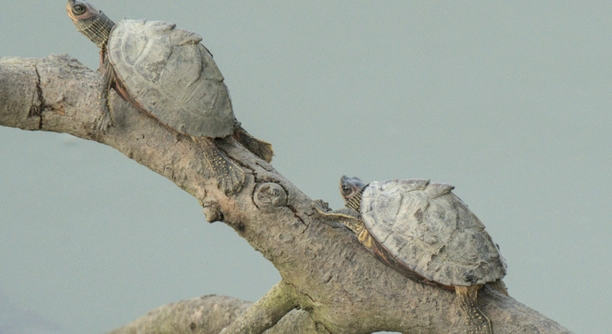
Observing your Indian roofed tortoise’s natural instincts can be an enriching experience. Understanding their behavior will help you create a more stimulating and comfortable environment for your pet. Here are some simple ways to enjoy this process.
The best way to observe your Indian roofed tortoise’s natural instincts is by providing them with a varied and enriching environment. This includes adding elements like hiding spots, access to water, and opportunities for foraging, mimicking their natural habitat.
These observations can enhance your connection with your tortoise while improving their well-being. From natural behaviors to hidden instincts, there’s so much to discover!
Provide Hiding Spaces
One of the simplest ways to observe your Indian roofed tortoise’s natural instincts is by setting up hiding spaces in their habitat. Tortoises, in the wild, often seek refuge in burrows or shaded areas to feel secure. Providing these types of hiding spots encourages your tortoise to act more naturally, exhibiting behaviors that are typically seen in the wild. A small box, overturned pot, or a pile of rocks can serve as a great hiding area. This gives them the chance to explore their surroundings, hide when they feel threatened, and feel more at ease in their environment. Watch closely, and you might see your tortoise retreat to these spots for safety, especially when disturbed.
This setup also helps reduce stress. Without hiding spots, your tortoise might feel exposed and anxious, limiting their ability to show their full range of instincts. By giving them places to retreat, they can relax and behave more naturally.
These hiding spaces allow your tortoise to feel more secure. They are naturally secretive creatures and feel safer when they can control their environment. Over time, you will notice that your tortoise grows more comfortable and exhibits behaviors like digging or exploring new hiding spots. Keep their space clutter-free and safe to avoid stress, ensuring they can move freely between hiding and active exploration. With the right hiding spots, your tortoise will feel more relaxed, confident, and active.
Introduce Foraging Opportunities
Foraging is another way to observe your tortoise’s natural behavior. By providing a variety of plants and greens, you give them a chance to display this important instinct.
Tortoises in the wild spend a large portion of their time searching for food. By allowing your pet to forage for their meals, you are offering them an opportunity to connect with their natural instincts. Scatter food around their enclosure, using leaves or grasses that mimic what they would find outdoors. This encourages them to search and explore their environment, just like they would in the wild. You can even hide food under leaves or in crevices to make the task more challenging, which will keep them mentally stimulated. This also helps prevent boredom and encourages physical activity, as your tortoise moves around and investigates its space.
Letting your tortoise forage brings out many of their natural behaviors, including searching, digging, and chewing. This allows them to be more active and engage in a more natural, fulfilling routine. You’ll notice that they’ll be more content and might even become more social as they start to feel more comfortable in their space.
Offer a Varied Diet
A varied diet helps bring out the natural foraging and eating habits of your Indian roofed tortoise. Include different types of greens, fruits, and occasional protein sources to mimic their natural diet.
Tortoises in the wild eat a wide range of plant material, and introducing variety into their diet at home keeps them engaged and healthy. Leafy greens like dandelion, clover, and grasses are essential, but adding other vegetables like squash, and fruits like melons, will create a balanced meal. Offering a variety of food options encourages them to explore different tastes and textures, simulating their natural foraging behaviors. When you offer new items, observe closely to see how your tortoise reacts.
By offering fresh, varied foods, you’ll also be able to observe your tortoise’s preferences. Some tortoises may have a particular liking for certain foods, while others might be more selective. This kind of observation helps you learn about your tortoise’s eating habits and instincts, and you’ll know what they prefer. A healthy and diverse diet encourages their natural feeding behavior and ensures they’re getting the proper nutrients they need for optimal health.
Create an Outdoor Habitat
An outdoor habitat can provide your tortoise with the space and environment they need to fully express their natural instincts. If possible, create an outdoor enclosure that includes grass, soil, and plants.
Outdoors, your tortoise will experience the natural elements like sunlight, wind, and varied terrain. This gives them a chance to show more behaviors, such as basking, digging, and exploring. The opportunity to roam in a more natural setting allows them to act as they would in the wild. If creating a full outdoor habitat isn’t feasible, you can start by letting them out in a safe, enclosed area for short periods. You’ll be able to observe how they react to the change in environment and how they explore their surroundings.
Outdoor habitats also provide important environmental factors, like better UV exposure, which is essential for their health. Additionally, a larger space allows your tortoise to roam freely, improving their physical and mental well-being. Be sure to keep the outdoor habitat secure and free of hazards to ensure your tortoise’s safety. When your tortoise is able to spend time outdoors, they can live out their instincts and enjoy a more fulfilling lifestyle.
Provide Access to Water
Water is crucial for your Indian roofed tortoise to stay hydrated and healthy. Make sure they always have access to fresh water for drinking and soaking.
Tortoises are known to soak in water, which helps with hydration and digestion. A shallow dish of water will give them the option to drink or bathe whenever they need. Offering water in a shallow, stable dish ensures they don’t accidentally tip it over. This simple addition encourages them to behave more naturally, as it mirrors what they would find in the wild. Keep the water clean to ensure it remains safe for them.
Maintain Proper Temperature
Tortoises need a stable temperature range to feel comfortable. Make sure your tortoise’s habitat has both warm and cool areas.
By providing a basking spot with a heat source, like a lamp, you simulate the warmth they would feel in the wild, helping them regulate their body temperature. Tortoises use heat to digest their food and stay active. Make sure there are cooler spots as well, so they can choose where to rest depending on their needs. A consistent temperature range helps them feel safe and encourages them to follow their instincts, such as basking in the sun and seeking shade when necessary.
FAQ
How often should I feed my Indian roofed tortoise?
It’s important to feed your Indian roofed tortoise every day, but the amount will depend on their age and size. For younger tortoises, feed them once a day with a varied diet of leafy greens, fruits, and vegetables. As they grow, you can reduce feeding to every other day. Make sure to avoid overfeeding, as this can lead to obesity and other health issues. You can offer a mix of leafy greens such as dandelion greens, collard greens, and mustard greens, along with occasional fruits like strawberries or melon. Always make sure that the food is fresh and free of pesticides.
Can I house my Indian roofed tortoise with other pets?
It’s not always a good idea to house your Indian roofed tortoise with other pets, especially if those pets are not compatible. Tortoises can be quite territorial and may not enjoy sharing their space. In addition, other pets may not understand the tortoise’s behavior and could unintentionally harm them. If you do want to introduce them to other animals, make sure that the other pets are gentle and that they have enough space to avoid conflict. Always supervise interactions and ensure that no pet is overly aggressive or curious in a way that could stress out your tortoise.
What is the ideal temperature for an Indian roofed tortoise?
The ideal temperature for an Indian roofed tortoise ranges from 75°F to 85°F (24°C to 29°C) during the day, with a basking spot that can reach 95°F (35°C). At night, temperatures can drop slightly, but they should not go below 65°F (18°C). Providing these temperatures will help your tortoise regulate its body temperature, essential for digestion and overall health. The basking spot can be created using a heat lamp or ceramic heater, while a cool area should be available for them to retreat when they need to lower their body temperature.
Can I keep my tortoise indoors year-round?
Yes, it is possible to keep your Indian roofed tortoise indoors year-round, but you will need to ensure that their environment mimics the natural conditions they would experience outdoors. This means providing UVB lighting, a heat source, and a proper substrate to allow for natural behaviors such as burrowing. The advantage of keeping them indoors is that you can control their environment more easily, keeping them safe from predators and ensuring their health. However, if you can provide an outdoor enclosure during warmer months, it will give them a chance to experience natural sunlight, which is essential for their well-being.
How can I tell if my Indian roofed tortoise is stressed?
Signs of stress in an Indian roofed tortoise include hiding more than usual, lack of appetite, and excessive pacing or circling in their enclosure. If your tortoise is acting out of character, it might be a sign that something in their environment is causing stress. This could be due to an inadequate temperature range, too much handling, or being housed with other pets. A stressed tortoise might also become more aggressive or withdraw from interaction entirely. Pay attention to any changes in behavior and ensure that they have a comfortable, safe space to retreat to.
What should I do if my tortoise isn’t eating?
If your Indian roofed tortoise isn’t eating, first check the temperature in their enclosure. If it’s too hot or too cold, they might not feel comfortable enough to eat. Also, check the food you’re offering—tortoises are often picky about food that isn’t fresh or to their liking. If the environment is correct and the food is fresh, try offering a different variety to see if they prefer it. If they still aren’t eating and show signs of lethargy or other health issues, a visit to the vet is recommended. Tortoises can sometimes stop eating due to illness, dehydration, or stress, and it’s important to address these issues promptly.
How can I tell if my tortoise is healthy?
A healthy Indian roofed tortoise should be active, with clear eyes and a smooth, hard shell. They should also have a healthy appetite and normal bowel movements. If your tortoise is lethargic, has a soft or damaged shell, or exhibits irregular behavior, it could be a sign of health issues. Regular checks on their shell and skin are essential—ensure there are no signs of infection, scarring, or fungal growth. A healthy tortoise will also exhibit natural behaviors like basking, exploring their environment, and interacting with food.
Is it necessary to give my tortoise a UVB light?
Yes, UVB lighting is crucial for the health of your Indian roofed tortoise, as it helps them produce vitamin D3, which is essential for calcium absorption. Without proper UVB exposure, tortoises can develop metabolic bone disease, which causes soft, deformed bones. If you are keeping your tortoise indoors, a UVB light will be necessary to mimic the sunlight they would get in the wild. The light should be placed above the basking area and should be replaced every 6 months, as UVB output decreases over time. If you’re able to provide outdoor time, natural sunlight can also fulfill their UVB needs.
How can I tell if my tortoise is a male or female?
Determining the sex of your Indian roofed tortoise can be tricky, especially when they are young. In general, males tend to have longer, slightly more concave shells, and they may exhibit a more colorful or pronounced pattern on their skin. Males also tend to have longer, thicker tails than females, which is one of the most noticeable differences. However, these traits become more evident as they mature, so it may be harder to tell with younger tortoises. If you’re unsure, a vet or reptile expert can help confirm their sex through physical examination.
Final Thoughts
Observing your Indian roofed tortoise’s natural instincts can be both rewarding and educational. By creating an environment that encourages behaviors like foraging, hiding, and basking, you are not only providing a more comfortable home for your pet but also helping them express themselves naturally. It’s important to remember that tortoises are creatures of habit and tend to thrive when their surroundings mimic their wild environment. Small changes, like adding hiding spots, varying their diet, or adjusting the temperature, can have a big impact on their overall health and well-being.
Taking time to observe and understand your tortoise’s natural behaviors also strengthens your bond with them. As they explore, forage, and relax, you’ll gain a deeper appreciation for their unique characteristics. Each tortoise is different, and the more you learn about their individual preferences, the easier it will be to create an ideal habitat. By paying attention to their body language and reactions, you can better understand what makes them feel safe and happy. This attention to detail allows you to make informed decisions about their care and ensures they lead a fulfilling life in your home.
Finally, always keep in mind that your Indian roofed tortoise’s well-being depends on you. Providing a proper environment, feeding them a balanced diet, and making sure they get enough exercise and sunlight are all essential aspects of their care. When you can observe your tortoise acting in a way that reflects their natural instincts, you’ll know you’re on the right track. With the right approach, you can offer a life that’s as close to their wild counterpart’s as possible, ensuring their health and happiness for years to come.

Hello,
If you enjoy the content that we create, please consider saying a "Thank You!" by leaving a tip.
Every little bit helps us continue crafting quality advice that supports the health, happiness, and well-being of pets around the world, for pets of all shapes, sizes, and species.
We really appreciate the kindness and support that you show us!