
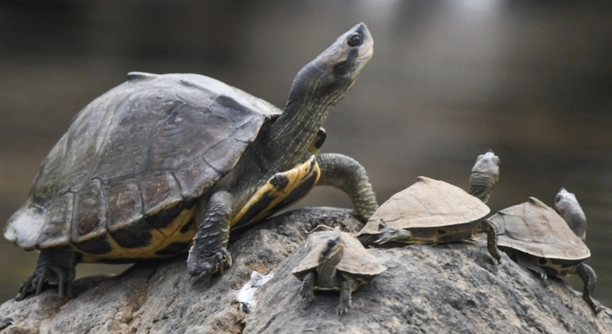
It’s important to recognize when your Indian Roofed Tortoise might be feeling lonely, as these reptiles can be sensitive to their environment. They rely on interaction and a stimulating space to thrive. Understanding their needs can help improve their well-being.
Indian Roofed Tortoises show signs of loneliness through behavioral changes such as reduced activity, lack of appetite, or aggressive tendencies. They may also exhibit more frequent pacing or retreating to corners of their enclosure. Offering companionship and mental stimulation can help.
Knowing the signs of loneliness will ensure your tortoise is comfortable and healthy. With a few adjustments, you can keep your pet happy and engaged.
Common Signs Your Tortoise May Feel Lonely
If your Indian Roofed Tortoise is acting out of the ordinary, it might be a sign of loneliness. A tortoise in a solitary state may pace around its habitat more than usual, searching for stimulation. This repetitive behavior is often a result of boredom or a lack of interaction. You might notice your tortoise hiding more frequently or remaining in one spot for long periods. These signs indicate that it may not be getting the mental engagement it needs. When left without stimulation or companionship, tortoises can become withdrawn or stressed.
A sudden loss of appetite or disinterest in food can also suggest loneliness. These tortoises might be refusing to eat or grazing less often. They might also seem less alert or sluggish, which can further indicate a lack of mental and social stimulation.
Addressing loneliness in tortoises involves providing regular interaction, adding enrichment to their enclosure, and considering a suitable companion. With a bit more attention, your tortoise can feel happier and more engaged.
How to Provide Companionship for Your Tortoise
Companionship is key for many tortoises that experience loneliness. A second tortoise can provide social interaction, but this comes with its own set of challenges. Not all tortoises get along, so you must carefully assess whether a second one would be a good fit. If your tortoise seems to be lonely, a compatible companion can offer the interaction it needs.
However, before introducing a new tortoise, it’s important to ensure their environments can accommodate both. Tortoises require space and the right conditions to thrive. Make sure both tortoises have separate eating areas, basking spots, and hiding places to avoid territorial disputes.
If adding another tortoise is not an option, consider providing additional enrichment. This can include varied foods, different textures, and toys that challenge their problem-solving skills. The more you stimulate your tortoise’s environment, the less likely it will feel alone.
Environmental Factors Affecting Loneliness
Your Indian Roofed Tortoise’s environment plays a significant role in its feelings of loneliness. A dull, empty habitat can make your pet feel isolated. It’s essential to create an environment that encourages exploration. Adding hides, climbing objects, and different textures can provide stimulation. Without these, the tortoise may not have enough to keep itself engaged.
Consider providing natural elements like small plants or safe items that encourage foraging. Enrichment items like rocks, branches, or tunnels offer physical and mental stimulation. The more variety in their environment, the better they can interact with their surroundings. Keeping the habitat clean and comfortable, with sufficient room, also supports the tortoise’s well-being.
If your tortoise is spending most of its time in one corner or staying in its shell, it could be a sign it’s bored or feeling isolated. A few small changes can go a long way in improving its mood.
What to Do if Your Tortoise Shows Aggression
Aggression is another sign that your tortoise may be lonely. When these creatures feel isolated, they can sometimes show territorial behavior or try to assert dominance. This can lead to biting or charging at objects, including you. Aggressive tendencies are a response to frustration, lack of companionship, or unfulfilled environmental needs.
To reduce aggressive behaviors, increase the tortoise’s interaction and provide a richer environment. You can also consider adding a companion if your tortoise seems particularly lonely. However, some tortoises may need time to adjust, so observe their reactions carefully. Aggression can also stem from insufficient space or the presence of other pets. Ensure the habitat is free from distractions or threats.
By addressing the root causes of aggression, you can create a more peaceful environment for your tortoise.
Signs of Stress in Tortoises
Loneliness in tortoises can lead to stress. Stress can show itself in various ways, such as excessive hiding, lack of movement, or abnormal eating habits. A stressed tortoise might also appear less active or lethargic, signaling discomfort in its environment. Understanding these signs can help address its needs.
Stress can also lead to health issues. Prolonged stress can weaken the immune system, making your tortoise more susceptible to illness. If your tortoise seems particularly stressed, re-evaluating its environment, diet, and interactions is essential to promote better well-being. Consider making changes to address these factors for a calmer pet.
How to Improve Interaction with Your Tortoise
Spending more time with your tortoise can help reduce feelings of loneliness. Regular handling or providing opportunities for exploration outside of the enclosure offers mental stimulation. Tortoises are curious creatures and often enjoy gentle interaction.
A simple daily routine can foster a sense of security and comfort. Offering food by hand or changing their environment frequently can spark interest and create bonding moments. Avoid overwhelming them, though; give them time to adjust and explore on their own terms. Regular, low-stress interaction can improve their emotional state and well-being.
Enrichment Ideas for Your Tortoise
Enrichment is crucial for a tortoise’s mental health. Adding a variety of safe objects for climbing, digging, or exploring encourages them to stay active. You can also use different textures in their habitat, such as sand, soil, or grass, to provide variety.
Interactive toys or food puzzles also help stimulate their minds. Items like cardboard boxes or small tunnels can be added for your tortoise to investigate. Regularly changing their surroundings keeps things interesting. Providing these enrichment opportunities prevents boredom and promotes a happier, healthier tortoise.
FAQ
How can I tell if my tortoise is lonely?
A lonely tortoise may display signs such as reduced movement, lack of interest in food, or aggression. It might also hide more often or remain in one spot for long periods. If your tortoise seems disengaged or less active than usual, it could be a sign that it is feeling lonely.
Can a tortoise live alone?
Yes, tortoises can live alone, but they may benefit from more interaction or companionship. If you choose to keep only one, ensure its environment is enriched and provides enough stimulation. Tortoises can live solitary lives, but they require a stimulating habitat to avoid loneliness.
What should I do if my tortoise is pacing a lot?
Pacing is often a sign of boredom or stress. Make sure your tortoise has plenty of space and stimulation in its habitat. Adding climbing objects, tunnels, or natural elements can help distract it from pacing. Try interacting with your tortoise more or introducing a new enrichment activity.
Can I keep two tortoises together?
Yes, but it’s important to consider compatibility. Not all tortoises get along, so observe how they interact before allowing them to share space. Ensure each tortoise has its own territory within the enclosure to reduce potential territorial disputes.
What if my tortoise is aggressive toward me?
Aggression can stem from stress, loneliness, or territorial behavior. If your tortoise is aggressive, try to reduce stressors in its environment, provide more enrichment, and spend more time interacting with it. If the aggression continues, consider adding a companion or adjusting its habitat for better comfort.
How do I introduce a new tortoise to my existing one?
Introducing a new tortoise requires patience. Keep the new tortoise in a separate enclosure at first. After a few days, allow the tortoises to interact in a neutral area under supervision. Monitor their behavior closely. If there is any aggression, separate them again and retry after some time.
How can I keep my tortoise entertained?
You can keep your tortoise entertained by adding various enrichment items to its enclosure. Try providing different textures, such as sand or rocks, and introduce safe plants for foraging. Toys, tunnels, and climbing objects also offer physical and mental stimulation, preventing boredom.
Can I use a second tortoise to cure my tortoise’s loneliness?
A second tortoise might help reduce loneliness, but it depends on their compatibility. Some tortoises prefer to be alone, while others enjoy the company of another. It’s crucial to observe their behavior during introductions and ensure both tortoises are comfortable before allowing them to live together.
Why is my tortoise not eating?
A loss of appetite can be a sign of stress, loneliness, or illness. If your tortoise isn’t eating, check its environment for potential stressors such as excessive heat or poor lighting. Ensure it has a comfortable, enriched space and spend more time with it to see if that helps.
What is the best way to interact with my tortoise?
Interact with your tortoise gently and slowly. Avoid sudden movements that could startle it. You can offer food by hand or allow your tortoise to roam outside its enclosure for brief periods of time. Keep interactions calm and low-stress to help build a bond with your pet.
Can my tortoise feel my emotions?
Tortoises can pick up on their surroundings, but their ability to sense human emotions is limited. However, they may respond to the tone of your voice and body language. Keeping a calm and consistent demeanor can make your tortoise feel more at ease.
How can I tell if my tortoise is stressed?
Signs of stress in tortoises include excessive hiding, lethargy, or changes in behavior, such as aggression or pacing. A stressed tortoise may also appear less active or not show interest in food. If you notice any of these signs, assess the habitat for potential stressors and try to make adjustments.
Can I feed my tortoise anything to help with loneliness?
Food can be an excellent way to build a bond, but it doesn’t directly address loneliness. Offering treats or food by hand can encourage interaction, but it’s more important to focus on their overall environment and enrichment. A well-balanced diet helps maintain physical health, which is essential for emotional well-being.
How often should I interact with my tortoise?
It’s a good idea to interact with your tortoise daily. Regular handling or offering food by hand creates a routine that helps your tortoise feel more secure. However, always let your tortoise have time to rest and roam freely. Keep interactions gentle and stress-free.
Can a tortoise be kept in a tank alone?
Yes, but it’s essential to ensure the tank is properly set up. The tank should be large enough for your tortoise to roam, with areas for hiding and basking. Regular interaction and environmental enrichment are key to preventing loneliness in a solitary tortoise.
What type of companion should I get for my tortoise?
If you decide to get a companion for your tortoise, choose one of the same species or one that has similar size and care requirements. Make sure the two tortoises are compatible in terms of temperament. Always supervise their initial interactions to prevent aggressive behavior.
How can I make my tortoise’s environment more comfortable?
Provide a variety of hides, climbing objects, and different textures. These items will allow your tortoise to explore and feel secure. A proper heating and lighting setup is essential, and the enclosure should be spacious enough for your tortoise to move freely. Regularly change up the environment to keep it interesting.
What are the benefits of adding a companion for my tortoise?
A companion can provide social interaction, helping your tortoise feel less isolated. It can also encourage more natural behaviors, such as foraging and basking together. However, compatibility between the tortoises is crucial to avoid stress or territorial disputes. Consider their personalities and species before introducing a second tortoise.
How long can a tortoise be left alone?
Tortoises can be left alone for short periods, but they need daily interaction and care. If you have to leave your tortoise alone for a few days, make sure its habitat is well-maintained and stocked with food and water. Long-term isolation is not ideal for their mental health.
What should I do if my tortoise keeps hiding?
Hiding is common when a tortoise is feeling stressed, scared, or bored. Check its habitat for possible stress factors like temperature or humidity issues. Offering more interaction, enrichment, and companionship may also help if the hiding behavior is related to loneliness.
Final Thoughts
Understanding your Indian Roofed Tortoise’s behavior is essential for providing the best care possible. These creatures may not show obvious signs of loneliness, but subtle changes in behavior, like pacing or hiding, can indicate that something is off. It’s important to pay attention to these signals and ensure that their environment is enriched and comfortable. A well-structured habitat with enough space, natural elements, and stimulation can make a significant difference in your tortoise’s well-being. Regular interaction and providing mental stimulation, like foraging or safe toys, will help prevent feelings of isolation.
While tortoises are generally solitary animals, they still benefit from companionship or consistent interaction with their owners. Even if they don’t need another tortoise in their space, spending time with them helps build trust and reduces loneliness. The bond between a tortoise and its owner can be strong, and this relationship can offer both comfort and stimulation. By keeping an eye on their behavior and offering appropriate companionship or engagement, you can ensure your tortoise leads a fulfilling and happy life.
If you choose to keep more than one tortoise, remember that not all tortoises get along. Compatibility is key, so always introduce new tortoises slowly and monitor their behavior closely. If you decide that your tortoise benefits from having a companion, make sure their needs are met without causing additional stress. In the end, whether you have one tortoise or more, the goal is to ensure they feel secure, content, and healthy in their environment. Taking small steps to enhance their care will go a long way in promoting their overall well-being.

Hello,
If you enjoy the content that we create, please consider saying a "Thank You!" by leaving a tip.
Every little bit helps us continue crafting quality advice that supports the health, happiness, and well-being of pets around the world, for pets of all shapes, sizes, and species.
We really appreciate the kindness and support that you show us!