
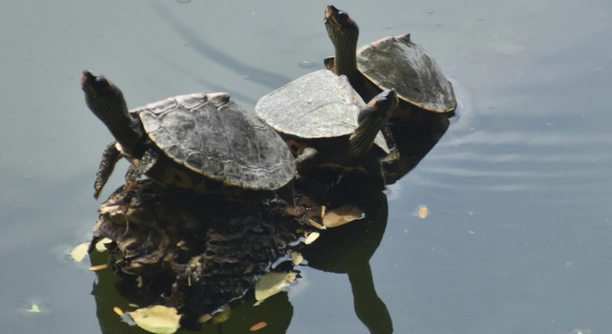
Indian Roofed Tortoises are an excellent choice for first-time reptile owners. Their manageable size, calm temperament, and low maintenance needs make them ideal for beginners. This article explores why these tortoises are great pets for newcomers.
Indian Roofed Tortoises are a top choice for first-time reptile pet owners due to their gentle nature, adaptability to various environments, and ease of care. Their slow growth and small size make them manageable for beginners with little experience in reptile care.
Their unique characteristics make them stand out among other reptile pets. Understanding these traits will help ensure a rewarding experience with your new pet.
Low Maintenance Care
Indian Roofed Tortoises require minimal upkeep compared to other reptiles. They thrive in simple setups, requiring a spacious tank with a heat lamp and access to clean water. Their diet mainly consists of leafy greens, fruits, and vegetables, making them easy to feed. These tortoises do not need constant attention, making them ideal for owners who may not have the time for more demanding pets. Regular cleaning of their habitat and ensuring they get adequate sunlight are the primary tasks involved in their care.
While feeding and habitat cleaning are necessary, Indian Roofed Tortoises do not require frequent handling. This makes them perfect for individuals who may not be home often or prefer a more low-maintenance reptile. Their independent nature allows them to remain content with minimal interaction, which is a major advantage for first-time pet owners.
Their resilience to different living conditions and simple diet requirements make Indian Roofed Tortoises one of the easiest reptiles to care for. With the right setup and a little attention, they can live long and healthy lives with minimal effort.
Great for Small Spaces
Indian Roofed Tortoises can adapt well to smaller living spaces. Unlike larger reptiles, they don’t need huge enclosures to feel comfortable. With the right tank size, typically 40-50 gallons, they can live happily in apartments or small homes. This makes them ideal for those who live in spaces where large pet habitats are not an option.
Setting up a small enclosure for your tortoise does not require much space. The key is to provide them with enough room to roam around and explore without feeling cramped. In addition, a proper heating source and UV light are essential for their health, but these can be managed in smaller setups without issue.
Calm and Gentle Temperament
Indian Roofed Tortoises are known for their calm and gentle nature. They are not aggressive and will rarely show signs of stress. Their laid-back attitude makes them an excellent choice for those seeking a peaceful pet.
These tortoises do not need much handling to remain content. They prefer to roam around their habitat quietly, making them low-energy pets that do not demand constant attention. Their calm demeanor means they are often tolerant of being handled, but it should be done gently to avoid stressing them.
Their docile temperament also makes them suitable for homes with children or other pets, as they are not prone to biting or becoming easily agitated. With patience, they can even recognize their owners and come to associate them with food, further strengthening the bond.
Easy to Feed
Indian Roofed Tortoises have a simple diet, which is perfect for beginners. Their meals typically consist of leafy greens, such as kale and dandelion, supplemented by fruits and vegetables. They don’t require specialized food, making it easy to feed them.
Their straightforward diet means that you won’t need to go out of your way to find unusual or hard-to-prepare foods. A balanced diet will keep them healthy and active. You can even feed them small amounts of commercial tortoise food, but fresh, natural options are often preferred for optimal health.
Maintaining a proper feeding schedule is essential for their well-being, but it’s not time-consuming. Once you establish a routine, feeding will become effortless. This is one of the major reasons why Indian Roofed Tortoises are considered a great first pet for reptile owners.
Affordable
Indian Roofed Tortoises are relatively inexpensive to care for. Their basic needs can be met without excessive spending on specialized equipment or food. A suitable enclosure, lighting, and food are all that’s necessary to provide for them.
The cost of keeping them is manageable, as they don’t require frequent veterinary care unless there’s an issue. Regular cleaning and maintaining their environment is more about keeping them comfortable than spending large amounts on upkeep. This makes them ideal for first-time reptile pet owners on a budget.
Long Lifespan
Indian Roofed Tortoises have a long lifespan, often living for 50 years or more with proper care. This longevity means they can be companions for a lifetime. Their steady growth and resilience make them a lasting investment.
Their long lifespan is a benefit for those looking for a pet that won’t need replacing. They don’t require constant attention, but owners will still get to enjoy their company for decades. The lifespan also allows for a deeper bond to form over the years, making them even more valuable as pets.
Low Risk of Health Issues
Indian Roofed Tortoises are generally healthy, with a low risk of common health problems. With a proper diet and habitat, they are likely to thrive and avoid frequent visits to the vet.
Their sturdy nature means they don’t typically experience the ailments that many other reptiles might face. As long as their environment is kept clean and their diet remains balanced, their health is usually well-maintained. Keeping their shell clean and ensuring they get the right amount of UV light helps avoid potential issues.
FAQ
How big do Indian Roofed Tortoises get?
Indian Roofed Tortoises typically grow to about 8 to 12 inches in length. Their manageable size makes them an excellent choice for small spaces, unlike larger tortoises that require more room. They are compact yet robust, offering a balance of size and ease of care for first-time owners.
What do Indian Roofed Tortoises eat?
They primarily eat leafy greens like kale, dandelion, and collard greens. Fruits such as berries and apples can also be offered in moderation. Their diet should be high in fiber, low in protein, and devoid of processed foods. It’s crucial to ensure they get a variety of fresh, natural foods to stay healthy.
How often should I feed my Indian Roofed Tortoise?
Feeding should be done every day or every other day, depending on their age and activity level. Hatchlings or juveniles need to be fed daily, while adults can be fed every other day. It’s best to offer them fresh food once in the morning, ensuring they have access to clean water at all times.
Do Indian Roofed Tortoises need to be bathed?
While they don’t require regular baths, it’s beneficial to soak them in shallow, lukewarm water once a week. This helps with hydration and can encourage healthy digestion. Be sure not to leave them in the water for too long, as it can stress them out.
What kind of enclosure do Indian Roofed Tortoises need?
Indian Roofed Tortoises need a spacious enclosure, at least 40 gallons for adults, with a secure lid to prevent escapes. The enclosure should include a basking area with a heat lamp and access to UVB light to support their shell and overall health. A clean, dry area for sleeping and a shallow water dish are essential.
How do I maintain the right temperature for my tortoise?
A basking area should be kept between 85 to 90°F (29 to 32°C), while the cooler side of the enclosure can be around 70°F (21°C). It’s important to have a gradient so your tortoise can move between different temperatures to regulate its body heat. Using a heat lamp and UVB light will help maintain the proper environment.
Can I let my Indian Roofed Tortoise roam free around the house?
While it’s tempting to let them roam, it’s not advisable to allow your tortoise to roam freely indoors unless you have a secure, safe area. They can get into dangerous situations like getting stuck under furniture or ingesting harmful substances. Instead, it’s best to provide a safe play area or supervised outdoor time in a secure, enclosed space.
How often should I clean my tortoise’s habitat?
You should clean your tortoise’s enclosure regularly. Spot cleaning should be done daily to remove waste, and a full cleaning should be done once a month. Wash the water dish daily, and replace bedding and substrate if it becomes dirty or soiled. Maintaining a clean habitat helps reduce the risk of health issues.
Do Indian Roofed Tortoises need to be handled often?
Indian Roofed Tortoises are low-maintenance in terms of handling. They don’t need constant interaction, though they can be handled occasionally. Over-handling can stress them out, so it’s important to limit it to necessary moments, such as cleaning or moving them. Always handle them gently and support their body fully to avoid injury.
Are Indian Roofed Tortoises good with kids?
Yes, Indian Roofed Tortoises are typically calm and tolerant of gentle handling, making them suitable for households with children. However, children should be taught how to handle them properly to avoid stress or injury. Always supervise interactions to ensure the tortoise remains comfortable and safe.
Can I keep multiple Indian Roofed Tortoises together?
While it’s possible to house multiple tortoises together, it’s important to monitor them closely. Some tortoises may become territorial, especially when there’s a lack of space. Having enough space for each tortoise to establish its own area can help prevent aggression. It’s also a good idea to keep an eye on their interactions to ensure they are not stressing each other.
What is the lifespan of an Indian Roofed Tortoise?
Indian Roofed Tortoises have a long lifespan, often living 50 years or more with proper care. This makes them a long-term commitment. Ensuring they have a balanced diet, a clean living environment, and adequate lighting will contribute to their longevity and overall health.
Do Indian Roofed Tortoises need UVB light?
Yes, UVB light is essential for their health. UVB light helps them synthesize vitamin D3, which is crucial for calcium absorption and shell growth. Without it, they may develop metabolic bone disease or other health issues. Provide a UVB light source for 10 to 12 hours a day, and ensure it’s replaced every 6 to 12 months.
Can Indian Roofed Tortoises live outdoors?
If you live in a warm climate, Indian Roofed Tortoises can live outdoors, provided they have a secure, predator-proof enclosure. They need access to a shaded area to escape the heat and a place to hide. Outdoor enclosures should also have safe, clean water and suitable substrates to mimic their natural environment.
What are the signs that my Indian Roofed Tortoise is stressed?
Signs of stress in Indian Roofed Tortoises include lack of appetite, hiding more than usual, excessive pacing, or aggression. Stress can be caused by improper habitat conditions, handling, or changes in their environment. If you notice any of these signs, assess their setup and make necessary adjustments to ensure they feel safe and comfortable.
Can I feed my Indian Roofed Tortoise commercial food?
While fresh, natural food is best, you can occasionally supplement their diet with high-quality commercial tortoise food. It should not replace fresh vegetables and fruits but can be used as an added convenience. Always check the ingredients to ensure it’s suitable for your tortoise’s dietary needs.
How do I know if my Indian Roofed Tortoise is healthy?
A healthy Indian Roofed Tortoise has clear eyes, smooth and firm skin, and a strong shell without cracks or soft spots. They should be active during the day and have a good appetite. If you notice any changes in behavior, such as lethargy or a lack of appetite, consult a veterinarian.
Final Thoughts
Indian Roofed Tortoises make great pets for those new to keeping reptiles. They are relatively easy to care for, with simple dietary needs and a manageable size. They don’t require as much space as larger tortoises, making them a good option for people with limited space. Their calm and friendly nature also makes them suitable for households with children, as long as proper handling and supervision are ensured.
Caring for an Indian Roofed Tortoise involves creating the right environment, which includes providing a clean habitat, the right temperature, and access to UVB light. A balanced diet consisting of leafy greens, vegetables, and occasional fruits will help keep them healthy. Additionally, their habitat should be cleaned regularly, and they should be bathed occasionally to ensure hydration. While they don’t need constant attention, occasional handling and interaction will help keep them well-adjusted and comfortable.
As with any pet, it’s important to consider the long-term commitment involved in caring for an Indian Roofed Tortoise. With a lifespan that can exceed 50 years, they are a pet that requires dedication over many years. However, with the right care and attention, they can live a long and happy life, providing companionship for their owners. If you’re willing to invest time and effort into their care, an Indian Roofed Tortoise can be a rewarding and low-maintenance pet.

Hello,
If you enjoy the content that we create, please consider saying a "Thank You!" by leaving a tip.
Every little bit helps us continue crafting quality advice that supports the health, happiness, and well-being of pets around the world, for pets of all shapes, sizes, and species.
We really appreciate the kindness and support that you show us!