
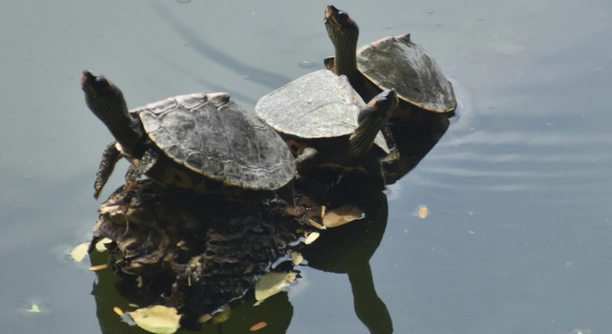
Indian Roofed Tortoises are fascinating reptiles, but if yours is constantly trying to escape, you may be wondering why. Understanding their behavior can help you provide a safer and more comfortable environment.
The primary reason your Indian Roofed Tortoise may be attempting to escape is often due to stress, inadequate habitat conditions, or a lack of mental and physical stimulation. Addressing these issues can help reduce escape attempts.
By understanding the factors behind their escape behavior, you’ll be better equipped to create a more suitable environment and keep your tortoise happy and healthy.
Why Do Indian Roofed Tortoises Try to Escape?
Indian Roofed Tortoises often try to escape when they feel stressed, bored, or uncomfortable in their environment. It’s natural for them to search for more suitable living conditions. These tortoises are naturally curious and will explore their surroundings, especially if they’re not satisfied with their current space. Providing a secure, stimulating, and comfortable enclosure can significantly reduce the likelihood of escape attempts. They need a proper balance of warmth, humidity, and space to feel at ease. If the enclosure feels too small or lacks enriching elements, your tortoise may attempt to leave. Understanding and addressing the root cause of these escape behaviors is key to keeping them content and safe.
It’s important to monitor your tortoise’s behavior to spot signs of stress. A restless or agitated tortoise may be trying to tell you something about its habitat needs.
To help your Indian Roofed Tortoise feel secure and less likely to escape, consider adjusting its habitat. Provide a larger enclosure with hiding spots, climbing structures, and access to water. Tortoises also need a consistent temperature gradient within their enclosure to regulate their body heat. If the enclosure is too hot or too cold, your tortoise may feel the need to wander off in search of a more suitable climate. Also, be sure to include some natural elements like rocks, plants, and other enriching features that mimic their natural environment. A happy, healthy tortoise is much less likely to try escaping if it feels comfortable and stimulated in its space.
How to Stop Escape Attempts
If your tortoise has already shown signs of escape behavior, it’s time to take action. First, assess the space and conditions it lives in.
Making sure your tortoise’s enclosure is secure and suitable for its needs is the first step. Adjust temperature, humidity, and provide a more engaging environment.
Stress and Boredom as a Reason for Escaping
Stress and boredom are two common factors that can make your tortoise attempt to escape. When they feel trapped or overstimulated, they look for an escape route.
Tortoises, like all animals, need mental and physical stimulation. If they’re confined to a space without enough activities or objects to explore, they may try to escape in search of something interesting. A lack of enrichment can leave your tortoise feeling bored, which can lead to increased stress. Over time, this stress may manifest in escape behaviors as your tortoise looks for a more stimulating environment.
To prevent this, offer your tortoise various things to interact with, like different textures and objects to climb on. Adding some plants, rocks, or even safe, non-toxic plants inside the enclosure can provide enrichment. This helps your tortoise feel more at ease and reduces the desire to escape. A stimulating environment keeps your tortoise mentally engaged, lowering stress levels and making them less likely to search for a way out.
How to Create a More Comfortable Environment
Providing a comfortable, secure habitat is vital in preventing escape attempts. It’s not just about size but also about creating an environment where your tortoise can thrive.
Make sure your tortoise has access to plenty of space for moving around, as a cramped environment can lead to feelings of confinement. Temperature control is also essential. Tortoises need a temperature gradient, allowing them to regulate their body heat. If the space is too hot or cold, they may feel the need to escape. Humidity is another factor that affects their comfort. Some tortoises thrive in more humid environments, while others prefer drier conditions. Understanding the specific needs of your species is key.
Ensuring your tortoise’s enclosure is secure is also important. Escape-proof barriers will prevent them from getting out while still offering plenty of space to move. Providing hiding spots like tunnels or safe areas can help them feel more secure, reducing the likelihood of escape behavior. If your tortoise feels safe and comfortable, it is much less likely to attempt to escape. This can lead to a happier and healthier tortoise.
Temperature and Humidity Issues
Incorrect temperature or humidity levels can cause stress, making your tortoise more likely to escape. They need specific conditions to feel comfortable.
If the temperature is not right, your tortoise may seek a more suitable place. Too much heat or too little can lead to stress. Keeping the enclosure temperature consistent helps avoid this. Humidity also plays a key role.
Offering Hiding Spots and Enrichment
Adding hiding spots helps your tortoise feel secure. Tortoises are naturally shy and need space to retreat when they feel threatened.
Providing caves, logs, or safe hiding spots encourages your tortoise to feel more relaxed in its enclosure. Adding enrichment like climbing structures or water features also reduces escape attempts, keeping your tortoise engaged.
Proper Diet to Reduce Escape Behavior
A well-balanced diet can improve your tortoise’s health and reduce escape attempts. Nutrition directly impacts their energy levels and behavior.
Feeding your tortoise a variety of fresh vegetables, fruits, and appropriate protein ensures they remain healthy. Proper diet contributes to a better temperament, making your tortoise less likely to escape in search of food or stimulation.
FAQ
Why does my Indian Roofed Tortoise try to escape all the time?
Your tortoise may be trying to escape due to stress, boredom, or improper habitat conditions. A lack of stimulation, such as things to climb or hide in, can cause your tortoise to feel restless. Additionally, if the temperature or humidity isn’t right, your tortoise may try to leave in search of better conditions. It’s important to assess both the physical environment and the tortoise’s mental needs. If your tortoise feels safe, comfortable, and entertained, the chances of escape will decrease.
How can I stop my tortoise from escaping?
To stop escape attempts, ensure your tortoise’s environment is secure and comfortable. Provide enough space for movement and hiding spots for security. Check the temperature and humidity levels in the enclosure to ensure they’re within the ideal range for your tortoise. Add enrichment, such as rocks, plants, and climbing structures, to keep your tortoise mentally engaged. Finally, make sure the enclosure is escape-proof, with no gaps or weak points where your tortoise could get out.
What is the best temperature for an Indian Roofed Tortoise?
The ideal temperature for an Indian Roofed Tortoise should range between 75°F and 85°F during the day, with a basking spot of about 90°F. At night, the temperature can drop to around 70°F. Ensure there is a gradient of temperatures in the enclosure, so your tortoise can regulate its body heat by moving between warmer and cooler areas. Use a thermometer to monitor the temperature to avoid overheating or chilling your tortoise.
What should I feed my Indian Roofed Tortoise?
Indian Roofed Tortoises are herbivores, so they thrive on a diet of leafy greens, vegetables, and some fruits. Offer a variety of foods like dandelion greens, collard greens, and kale. You can also provide small amounts of fruits like strawberries, apples, or melon. Avoid feeding them high-oxalate vegetables such as spinach, which can cause kidney problems over time. Be sure to provide fresh water daily and dust the food with calcium supplements to ensure your tortoise gets the right nutrients.
How can I make my tortoise’s enclosure more secure?
To secure your tortoise’s enclosure, make sure there are no gaps that they could slip through. If you’re using a cage or pen, check for any weak spots that could be pushed or knocked down. You may want to use a solid barrier like a heavy-duty mesh or a lockable door. Adding higher walls or a mesh cover on top of the enclosure will prevent your tortoise from climbing out. Always check that the enclosure is large enough for your tortoise to move freely but not so big that it feels lost.
How much space does my tortoise need?
The general rule is that your tortoise should have at least 10 square feet of space per tortoise. However, a larger enclosure is always better to ensure your tortoise has enough room to explore and exercise. Tortoises like to roam and can become stressed if their space feels too small. Providing an environment with different zones—such as basking, hiding, and foraging areas—helps create a more comfortable and engaging habitat for your tortoise.
Can my tortoise live with other animals?
It’s best to house tortoises separately from other animals, especially those that may pose a threat. Tortoises are peaceful creatures but may become stressed or injured if housed with more active or aggressive species. Some tortoises may tolerate other reptiles or certain species of amphibians, but it’s important to ensure that all animals in the same enclosure can coexist peacefully. Always monitor their interactions to prevent any harm.
How often should I clean my tortoise’s enclosure?
Cleaning your tortoise’s enclosure regularly is essential to maintaining a healthy environment. You should clean the enclosure once a week, removing any uneaten food, waste, and soiled bedding. Spot clean daily to remove feces and debris. Every month, you should do a more thorough cleaning, disinfecting the entire space with a non-toxic reptile-safe cleaner. Always provide fresh water and food to keep the enclosure clean and hygienic.
Do I need to provide UVB lighting for my tortoise?
Yes, UVB lighting is essential for your tortoise’s health. UVB rays help your tortoise synthesize vitamin D3, which is necessary for calcium absorption and bone health. Without UVB lighting, your tortoise can develop metabolic bone disease. A proper UVB bulb should be used for 10-12 hours a day, ensuring your tortoise gets enough exposure. Make sure to replace the UVB bulb every 6-12 months, as the light it provides decreases over time.
What is the lifespan of an Indian Roofed Tortoise?
Indian Roofed Tortoises can live up to 50 years or more with proper care. Providing the right environment, diet, and medical attention throughout their life can help them reach their full lifespan. Regular health checks, appropriate lighting, and a proper diet will keep them healthy and prevent many common issues.
Final Thoughts
Understanding why your Indian Roofed Tortoise tries to escape is the first step in ensuring it has a comfortable and safe environment. These tortoises are naturally curious, and escape attempts can be a sign that they’re not fully content with their habitat. Whether it’s the size of the enclosure, temperature, humidity, or lack of stimulation, identifying the cause of escape attempts is key. When these factors are addressed, it’s likely that your tortoise will feel more secure and stop looking for a way out. Providing a suitable space for them to roam and explore, along with plenty of enrichment, can help make them feel at ease.
Creating a secure environment for your tortoise involves more than just closing gaps and making sure they can’t escape physically. It’s also about providing the right conditions for them to thrive. Proper temperature and humidity levels are crucial to their overall health. If these conditions are off, your tortoise may feel stressed, which can lead to unwanted behavior. Equally important is offering a stimulating environment where your tortoise can climb, hide, and explore. These activities help keep your tortoise mentally engaged, making them feel more comfortable in their space. A combination of proper care and enrichment can prevent escape attempts and improve your tortoise’s quality of life.
Your tortoise’s well-being depends on both physical and mental stimulation. Taking the time to ensure their habitat is ideal will not only reduce escape attempts but also lead to a healthier and happier tortoise. By following the simple steps of providing an appropriate environment, diet, and enrichment, you can make sure your tortoise stays content. Remember that Indian Roofed Tortoises have specific needs, and meeting those needs goes a long way in preventing stress and escape behavior. With the right care, your tortoise can enjoy a long, healthy life without the constant urge to escape.

Hello,
If you enjoy the content that we create, please consider saying a "Thank You!" by leaving a tip.
Every little bit helps us continue crafting quality advice that supports the health, happiness, and well-being of pets around the world, for pets of all shapes, sizes, and species.
We really appreciate the kindness and support that you show us!