
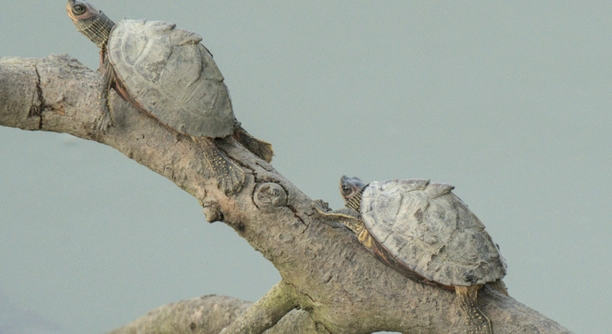
If you own an Indian Roofed Tortoise, you might notice that it has a habit of digging. This behavior can be puzzling, especially if you’re not sure what’s causing it.
The digging behavior in Indian Roofed Tortoises is often linked to natural instincts like seeking shelter, marking territory, or searching for food. Other factors, like stress or temperature, can also influence this digging activity.
Understanding the reasons behind this behavior can help improve your tortoise’s environment and well-being. Keep reading to find out why your tortoise might be digging and how to address it.
Natural Instincts to Dig
Indian Roofed Tortoises are naturally inclined to dig as part of their instinctive behaviors. In the wild, they often dig to create burrows for shelter, regulate temperature, or find food. This instinct is still present in captive tortoises, even if they don’t face the same environmental challenges. Digging allows them to create a safe, comfortable space, especially in warmer weather. If your tortoise is digging, it could be mimicking these actions, trying to find a cool spot or creating a hidden refuge to retreat to. The behavior often increases during certain seasons, such as when temperatures rise or during breeding season. These instincts drive them to search for shelter and protection, providing comfort and security.
Sometimes, they might dig simply because it feels natural or comforting. If your tortoise is in a suitable enclosure with proper hiding spots, they may still dig out of habit. Even when not necessary, these behaviors continue due to the deep-rooted instincts of the species.
A few simple adjustments can reduce this digging. Ensure that your tortoise has plenty of hiding spaces and that the temperature in their enclosure stays stable.
Environmental Stress Factors
Environmental stress, like incorrect humidity or temperature, can trigger digging. If the habitat feels uncomfortable, the tortoise may dig to escape or find a more suitable spot.
Temperature control is crucial for your tortoise’s health and comfort. Too high or too low of a temperature can lead to stress, and your tortoise might dig in search of cooler or warmer areas. Humidity plays an equally important role. Tortoises require a balanced environment, and the absence of this balance often results in behaviors like digging to feel more secure.
If the tortoise’s living area isn’t regulated properly, they might try to adjust their environment by digging to find the optimal conditions they crave. For example, a lack of hiding spots or a hot, dry area can lead to restless behavior like excessive digging. Ensuring the enclosure has a proper temperature gradient, a humid hide, and a comfortable substrate can help maintain their well-being.
Seeking Food or Water
Indian Roofed Tortoises may dig when they’re hungry or thirsty. If they can’t find food or water easily, they may start digging in search of it. This behavior is their natural instinct to search for nourishment, as they would in the wild.
Sometimes, the enclosure might not have the right food or water setup. If your tortoise’s dish is hard to access or not large enough, they might try to dig as a way to find their next meal. It’s important to ensure the food and water are placed where the tortoise can easily reach them. Additionally, providing variety in their diet encourages more natural foraging behaviors, which can reduce excessive digging.
If your tortoise consistently digs in certain spots, try adjusting the placement of their food and water. Keep their habitat clean and make sure it is easy for them to get the nutrition and hydration they need without unnecessary digging.
Breeding Behavior
Digging in Indian Roofed Tortoises can also be linked to mating instincts, especially in females. They may dig to create a nest for laying eggs. This behavior becomes more common during the breeding season.
If your female tortoise is digging more than usual, it might be because she is preparing for egg-laying. The digging helps her create a safe, secluded spot for her eggs. It’s a natural instinct for her to want to bury them in a secure location. Even if she is not able to lay eggs in captivity, the digging might still occur as part of her reproductive cycle. Keeping her environment calm and providing a safe, comfortable nesting area can help reduce excessive digging during these times.
Proper substrate depth is essential for creating a space where she feels comfortable laying her eggs. If she doesn’t have the right setup, the digging behavior may continue.
Boredom or Lack of Enrichment
If your tortoise isn’t getting enough mental or physical stimulation, they may dig out of boredom. Tortoises need space to move around and things to explore.
A lack of enrichment in their environment can cause them to dig simply because they have nothing else to do. They might start digging because they’re looking for something new, like food or a hidden space. Regularly changing the layout of their enclosure or adding safe new items like branches or rocks can keep them more engaged. Enrichment activities like hide-and-seek with food can reduce this digging behavior.
Adding a variety of items to their habitat can also help keep their interest. A bigger space for roaming around is beneficial too. This can reduce the repetitive digging behavior.
Temperature Fluctuations
Tortoises are sensitive to temperature changes. Fluctuating temperatures in their enclosure can cause stress, prompting them to dig as a coping mechanism.
If the temperature isn’t steady or is outside the ideal range, your tortoise might dig to find a better place to regulate its body heat. A consistent temperature gradient in the enclosure is necessary to give them choices for warm and cool areas. Additionally, using a thermometer to monitor the temperature can help you ensure it stays within the recommended range. Proper heating lamps and heat pads can assist in maintaining a comfortable environment for your tortoise.
A stable, well-maintained habitat helps reduce unwanted behaviors like digging, which is often a sign of discomfort.
FAQ
Why does my Indian Roofed Tortoise keep digging?
Indian Roofed Tortoises dig for various reasons, including natural instincts, stress, hunger, thirst, or even the need to lay eggs. They dig to create shelter, regulate temperature, or search for food. If your tortoise is in an enclosure that lacks these features, they may dig more. Ensure your tortoise has proper food, water, and shelter, along with a suitable temperature and humidity level to reduce unnecessary digging.
Can digging harm my Indian Roofed Tortoise?
In general, digging is a natural and harmless behavior, but it can become problematic if your tortoise starts digging excessively, leading to stress. If the enclosure isn’t large enough or doesn’t have enough hiding spaces, the tortoise may become frustrated and dig more. It’s important to ensure that the enclosure has proper depth, temperature, and substrate to minimize stress-related digging. Over-digging in a small or poorly maintained space could also result in injuries or exhaustion for your tortoise.
How can I stop my tortoise from digging?
To reduce excessive digging, first address the cause. If it’s due to hunger or thirst, make sure food and water are easily accessible. If your tortoise is digging because of boredom, adding more enrichment, like new objects or varied surfaces, can help. Ensure the temperature and humidity in the enclosure are stable, and provide ample hiding spots for them to feel secure. Regularly check for any potential stressors or discomfort in their environment.
How deep should the substrate be for my tortoise?
The substrate should be deep enough for your tortoise to dig comfortably but not too deep that it causes harm. For an Indian Roofed Tortoise, the substrate should ideally be 3-6 inches deep. This depth allows the tortoise to exhibit natural behaviors like burrowing without being at risk of entanglement or discomfort. Additionally, ensure the substrate is safe for digestion in case they accidentally ingest it.
Does my tortoise need a special nesting area?
If you have a female tortoise, she may need a special nesting area during the breeding season. Tortoises often dig to create a safe space for laying eggs. Providing a deeper area with soft, sandy or loamy substrate can help her feel secure when laying eggs. If there are no male tortoises, she might still engage in this behavior, so a proper nesting spot is essential to reduce stress.
Is it normal for a tortoise to dig all day?
It’s not uncommon for a tortoise to dig periodically throughout the day, but if the behavior is constant or excessive, it could indicate an issue with their environment. Tortoises dig to create shelter, find food, or explore their surroundings. However, if it becomes obsessive, it may be due to factors like stress, boredom, or inadequate living conditions. Assess the habitat’s temperature, humidity, and space to determine if adjustments are needed.
What should I do if my tortoise is digging due to stress?
If your tortoise is digging due to stress, identify the root cause of the stress. Check the habitat for temperature fluctuations, lack of food or water, or overcrowding. Stress can also come from excessive handling or loud noises. Provide a calm, quiet, and consistent environment. Offer hiding spaces, regulate the temperature, and ensure the substrate is comfortable. Reducing stress through these changes can help decrease digging.
Can a tortoise dig through its enclosure?
While it’s uncommon for a tortoise to dig through the entire enclosure, it’s possible if the enclosure isn’t properly secured. Some tortoises are determined diggers, especially if the walls are made of soft material. To prevent this, make sure your enclosure has solid, tall walls that go deep into the ground to stop any attempts at digging out. Reinforcing the bottom of the enclosure with wire mesh can also help prevent digging.
How do I know if my tortoise is digging to lay eggs?
Female Indian Roofed Tortoises will often dig when they’re preparing to lay eggs. The digging behavior increases during the breeding season. If your tortoise is digging more frequently and seems to be pacing or restless, it may be a sign that she’s trying to lay eggs. You may also notice her trying to dig in specific corners or corners of the enclosure. Providing a deeper, soft substrate will give her the space to nest comfortably.
What kind of substrate is best for a tortoise that digs a lot?
For tortoises that dig often, a mixture of coconut coir, soil, and sand is ideal. This substrate mimics natural conditions and allows the tortoise to dig easily. The material should be dust-free, non-toxic, and absorb moisture well. A substrate depth of 3-6 inches is recommended for optimal digging. Avoid using substances like wood chips or gravel, as they can be difficult for the tortoise to dig through and may cause injury if ingested.
How often should I change the substrate in my tortoise’s enclosure?
Substrate should be changed regularly to maintain a clean and healthy environment. For tortoises that dig a lot, consider replacing the substrate every 2-3 weeks, depending on how soiled it gets. If the tortoise is digging and burrowing frequently, the substrate will accumulate moisture and waste faster. Spot cleaning the substrate regularly can help keep the enclosure fresh, but a full change is essential to prevent bacteria buildup and maintain good hygiene.
Final Thoughts
Digging is a natural and instinctive behavior for Indian Roofed Tortoises. Whether they are trying to find food, create a shelter, or simply respond to environmental factors like temperature and humidity, it’s important to understand the reasons behind this behavior. For the most part, digging is harmless, but it can become excessive if not addressed. Monitoring your tortoise’s environment and adjusting it as needed can help reduce unnecessary digging and ensure your pet feels comfortable.
The key to reducing digging is providing a balanced environment. Make sure your tortoise has the right substrate for digging, a stable temperature gradient, and plenty of hiding spots. It’s also important to give your tortoise the opportunity to engage in natural behaviors like foraging. Boredom or lack of enrichment can lead to excessive digging, so incorporating items like branches, rocks, or even digging opportunities can help keep them occupied. Providing these elements will encourage your tortoise to explore without feeling the need to dig constantly.
Finally, if your tortoise’s digging behavior is linked to stress or breeding instincts, consider making adjustments in their habitat or routine. Reducing stress factors and ensuring that your tortoise has a safe space for egg-laying can help curb the digging. While digging is a natural behavior, understanding its causes and providing the right conditions can create a happier, healthier environment for your tortoise.

Hello,
If you enjoy the content that we create, please consider saying a "Thank You!" by leaving a tip.
Every little bit helps us continue crafting quality advice that supports the health, happiness, and well-being of pets around the world, for pets of all shapes, sizes, and species.
We really appreciate the kindness and support that you show us!