
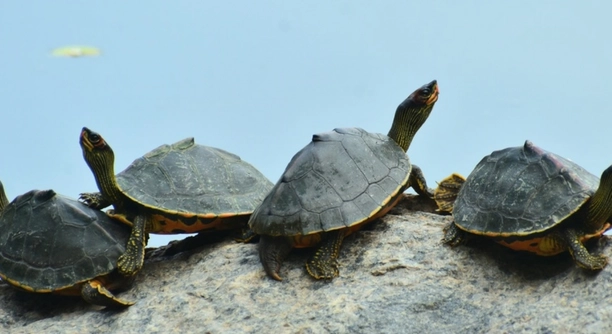
A proper diet is essential for the health and well-being of your Indian roofed tortoise. Providing the right nutrition ensures they live a long, healthy life, free from health complications. Let’s break down the key components of their diet.
To create the perfect diet plan for your Indian roofed tortoise, include a variety of leafy greens, fruits, and vegetables. Offer high-fiber foods like grasses and weeds. Avoid feeding them too many fruits to prevent digestive issues and obesity.
Maintaining a proper diet will keep your tortoise strong and active. Understanding their specific dietary needs ensures they thrive in your care. Continue reading for tips and suggestions to build a balanced, nutritious meal plan.
Understanding the Key Ingredients for Your Indian Roofed Tortoise’s Diet
A well-balanced diet for your Indian roofed tortoise is built on a foundation of diverse and fresh foods. These tortoises are primarily herbivores and thrive on a mix of vegetables, greens, and edible plants. The right selection of food will help them maintain a healthy weight, avoid obesity, and ensure proper digestion. Their diet should consist mainly of leafy greens such as dandelion greens, collard greens, and mustard greens. Additionally, offering a variety of grasses, flowers, and weeds, like clover and plantain, will provide important nutrients. Remember, the key is variety. Different greens provide different vitamins and minerals that your tortoise needs. A constant diet of one or two types of food can lead to deficiencies over time.
Incorporating some fruits can be beneficial, but they should be offered sparingly due to their high sugar content. Avoid foods that are high in oxalates, like spinach, as they can affect calcium absorption and lead to health problems. Always make sure the vegetables are fresh and free from pesticides to avoid any harm.
Providing your tortoise with a variety of foods is a great way to ensure they get all the nutrients they need. The most important aspect of their diet is to focus on high-fiber, low-calcium foods. With this, your tortoise will stay healthy and happy for many years.
Importance of Hydration
Staying hydrated is just as important for your tortoise as eating the right foods. Make sure they have constant access to fresh water, and consider adding water-rich vegetables to their diet, such as cucumber or watermelon.
Dehydration can lead to serious health issues like kidney problems and difficulty shedding their skin. For tortoises, fresh water should always be available in a shallow dish that they can easily reach. Some tortoises enjoy soaking in shallow water, and this can be encouraged as a way for them to stay hydrated.
In addition to water, providing foods with high moisture content, like leafy greens, will help prevent dehydration. Hydration supports digestion, keeps their skin healthy, and promotes overall well-being. Make sure your tortoise’s water dish is cleaned regularly to prevent any bacterial growth.
Foods to Avoid
Certain foods can harm your Indian roofed tortoise and should be avoided. These include high-starch vegetables, such as potatoes, and any sugary fruits like grapes and bananas. These can upset their digestion and lead to weight gain.
Also, avoid feeding them processed or human foods. These are often too salty or sweet, which can cause health issues. Even some vegetables like lettuce are low in nutrients and shouldn’t be a staple in their diet. Stick to fresh, organic foods for the best results.
Additionally, toxic plants like ivy, tomato leaves, and certain flowers should never be offered. Some plants may cause poisoning or severe reactions. Always research or check the safety of any plant before feeding it to your tortoise.
The Role of Calcium in Their Diet
Calcium is essential for the health of your tortoise, especially for their bones and shells. A proper calcium intake supports healthy shell growth and prevents metabolic bone disease, a common issue in tortoises.
To ensure sufficient calcium, offer calcium-rich foods like kale, collard greens, and turnip greens. You can also provide calcium supplements in the form of powder, which can be sprinkled on their food. It is crucial to balance calcium with the right amount of phosphorus to prevent any imbalances.
Too much phosphorus can interfere with calcium absorption, leading to bone problems. Keep this balance in mind when planning their meals. Regular exposure to sunlight will also help your tortoise process calcium effectively, as UVB rays assist in the production of vitamin D3.
Feeding Frequency
Indian roofed tortoises don’t need to be fed every day. A feeding schedule of every other day is ideal for adults. Younger tortoises require more frequent feedings to support their growth.
It’s important to offer food in measured amounts, ensuring they don’t overeat. Providing food every 2-3 days for adults will help prevent obesity and keep them healthy. Always remove any uneaten food after a few hours.
The Impact of Temperature on Their Diet
Temperature plays a role in how your tortoise digests food. If the environment is too cold, digestion can slow down, causing food to sit in their stomach longer.
Maintaining a warm temperature, ideally between 75-85°F (24-29°C), promotes healthy digestion. A basking area with a higher temperature should also be available. This warmth helps them break down food efficiently and absorb nutrients properly. If the temperature is too low, their metabolism may slow down, affecting appetite and digestion.
FAQ
What should I feed my Indian roofed tortoise daily?
While daily feeding is not necessary for adult tortoises, a good mix of leafy greens and grasses should be available to them every few days. You can provide a variety of foods, including dandelion greens, clover, and turnip greens. Fresh, pesticide-free plants are best. If you have a younger tortoise, they may need daily feedings, but be sure to offer small portions to avoid overfeeding.
Can I feed my tortoise fruits every day?
No, fruits should not be a daily part of your tortoise’s diet. They are high in sugar, which can cause digestive problems and contribute to obesity. Fruits like apples, berries, or watermelon can be given occasionally, about once or twice a week. Moderation is key.
How do I provide enough calcium to my tortoise?
Calcium is crucial for your tortoise’s bone and shell health. You can offer calcium-rich foods like kale, collard greens, and mustard greens. Additionally, calcium supplements in the form of powders can be sprinkled over their food. It’s also important to ensure they get sunlight or UVB light, as this helps in calcium absorption.
How much should I feed my tortoise?
The amount of food varies based on their age and size. Adult Indian roofed tortoises typically need food every other day. Offer enough food that your tortoise can eat in about 30 minutes and remove any leftovers after that time. Overfeeding can lead to obesity, so portion control is important.
Is it okay to feed my tortoise lettuce?
Lettuce is not harmful, but it’s not very nutritious. Avoid iceberg lettuce, as it provides little to no nutritional value. You can offer other leafy lettuces in moderation, such as romaine, but focus more on nutrient-dense greens like collard or mustard greens.
Can I feed my tortoise vegetables from my garden?
Yes, you can feed your tortoise vegetables from your garden, as long as they are free of pesticides and chemicals. Always wash the vegetables thoroughly before offering them. Garden-grown plants such as dandelions, clover, and plantain leaves are particularly beneficial.
How do I know if my tortoise is overweight?
An overweight tortoise will have a noticeably large, rounder shell and may become less active. You can check for signs of obesity by gently pressing their sides and feeling for any excess fat. A healthy tortoise should have a firm shell without too much excess fat.
How often should I give my tortoise water?
Your tortoise should always have access to clean, fresh water. They may not drink much at once, but it’s important to provide water daily. You can also offer water-rich vegetables like cucumbers to help keep them hydrated, especially in warmer temperatures.
Is it okay to feed my tortoise commercial food?
While commercial tortoise food is convenient, it should not be the primary diet for your tortoise. These foods often lack the variety and nutrition that fresh vegetables and plants provide. If you do use commercial food, it should be used as a supplement to their regular fresh diet, not a replacement.
What kind of plants are safe for my tortoise to eat?
Safe plants for your tortoise include dandelions, clover, hibiscus flowers, and plantain leaves. Many weeds are safe as well. Always check that a plant is non-toxic before offering it to your tortoise. You can look up specific plants or consult a list of safe tortoise food options.
How can I help my tortoise if it’s not eating?
If your tortoise is not eating, the first thing to check is the temperature of its environment. If it’s too cold, your tortoise may not feel like eating. Make sure the basking area is warm enough (around 85°F or 29°C). If the temperature is right and the tortoise still refuses to eat, consult a vet for further advice.
Can I feed my tortoise protein?
While they are primarily herbivores, young tortoises may need small amounts of protein to help with growth. You can offer small insects, like mealworms or earthworms, occasionally. However, protein should not be a regular part of their diet. Overfeeding protein can lead to health issues, including kidney damage.
How can I tell if my tortoise is getting enough fiber?
Fiber is crucial for your tortoise’s digestion and overall health. You can tell if your tortoise is getting enough fiber by observing their stool. Healthy tortoise poop should be solid, not runny. If the stool is soft or watery, they may not be getting enough fiber. Increasing the amount of grasses and leafy greens can help.
Can I feed my tortoise flowers?
Yes, many edible flowers are great for your tortoise. Flowers such as hibiscus, pansies, and marigolds are safe and healthy for them to eat. Just be sure to avoid flowers that have been treated with pesticides. You can also try dandelion flowers, which are highly nutritious.
What should I do if my tortoise is constipated?
Constipation in tortoises can be caused by dehydration or a lack of fiber in their diet. Make sure your tortoise has access to water at all times, and increase the amount of fiber-rich foods like grasses and leafy greens. If constipation persists, consult a vet for advice.
How can I balance my tortoise’s diet?
To balance your tortoise’s diet, focus on providing a variety of greens, grasses, and flowers. Offer a mix of high-fiber and low-calcium vegetables. Keep fruits to a minimum, only offering them once or twice a week. Supplement with calcium powder and make sure they have access to UVB light for proper absorption.
Should I give my tortoise treats?
Treats are fine in moderation, but they should not replace their regular diet. Safe treats for tortoises include small portions of fruit, flowers, or even a bit of grated carrots. Just make sure treats don’t exceed 10-15% of their overall diet to keep them healthy.
Final Thoughts
Creating the perfect diet for your Indian roofed tortoise involves providing a variety of fresh, nutrient-rich foods that suit their natural herbivorous diet. Leafy greens, flowers, and grasses should make up the bulk of their meals, while fruits should be offered in moderation. It’s important to remember that their diet should be well-balanced to ensure they get all the necessary vitamins and minerals. Calcium is particularly important for their shell and bone health, so be sure to include calcium-rich foods and consider supplements if needed. The right diet can help your tortoise stay healthy, active, and live a long life.
Proper feeding also involves more than just offering the right foods. Environmental factors, such as temperature and access to clean water, play a role in how well your tortoise digests food and maintains hydration. Always ensure your tortoise has access to fresh, clean water and is housed in an environment with the proper temperature. Without the right conditions, even a healthy diet may not be enough to keep your tortoise thriving. Providing an appropriate basking area with the right warmth will also support their digestion and overall health.
Finally, it’s essential to be mindful of the foods that should be avoided. Some plants and vegetables can be toxic to tortoises, and high-starch or high-sugar foods can lead to digestive issues or obesity. By learning which foods to steer clear of and maintaining a consistent feeding schedule, you can provide your tortoise with a diet that supports their long-term health. Balancing their meals with plenty of fiber and calcium, while avoiding harmful foods, will help you meet their nutritional needs and keep them happy and healthy.

Hello,
If you enjoy the content that we create, please consider saying a "Thank You!" by leaving a tip.
Every little bit helps us continue crafting quality advice that supports the health, happiness, and well-being of pets around the world, for pets of all shapes, sizes, and species.
We really appreciate the kindness and support that you show us!