
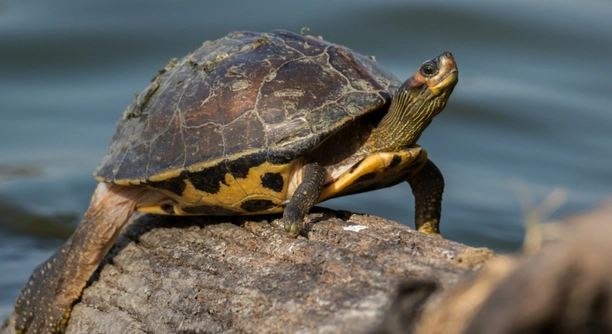
Keeping an Indian Roofed Tortoise’s shell healthy is essential for its overall well-being. A strong shell protects it from external damage and contributes to its longevity. This article will guide you through ways to keep their shell in top condition.
The key to maintaining a healthy and strong shell for your Indian Roofed Tortoise lies in a balanced diet, proper hydration, and a safe, stress-free environment. Regular shell care and avoiding harmful conditions are also crucial in supporting shell health.
Taking care of your tortoise’s shell will help prevent common issues and ensure its long-term health. There are simple, effective steps to follow to support your tortoise’s natural shell growth and strength.
Proper Diet to Strengthen the Shell
A well-rounded diet is vital for the overall health of your Indian Roofed Tortoise. Providing it with the right mix of greens, vegetables, and some fruits ensures that its shell and bones stay strong. Foods like dandelion greens, clover, and various leafy vegetables should be a regular part of their meals. Additionally, feeding them foods rich in calcium, like kale or collard greens, is essential for their shell’s growth and durability. Tortoises also need a balanced intake of proteins and fiber to maintain a healthy system.
A poor diet can lead to weak shells or other health problems. Be mindful of offering variety in their food to prevent nutritional gaps. Tortoises thrive with fresh, natural foods that mimic their wild diet.
Sometimes, it’s easy to overlook the significance of calcium in their diet, but it directly influences their shell’s integrity. If your tortoise isn’t getting enough calcium, its shell may become soft and prone to deformities. Adding calcium supplements to their meals or providing them with calcium-rich foods can make a big difference. Don’t forget to check if your tortoise is consuming enough water, as dehydration can weaken their body, including the shell.
Provide the Right Environment
The environment your tortoise lives in has a direct impact on its health. Make sure the living space is warm enough to support its metabolism and encourage healthy growth. A warm, dry area with access to a shaded, cooler spot is ideal. They need enough space to move around freely to keep their muscles and bones strong, which in turn helps their shell develop correctly.
A proper enclosure helps prevent stress and injury, both of which can negatively affect their shell. Keep the space clean to avoid bacterial infections that could lead to shell rot.
Consider adding areas with natural materials, like rocks and logs, which provide opportunities for the tortoise to climb or rub against. This can help naturally wear down its shell, preventing overgrowth and ensuring it remains strong. You should also be cautious of the flooring in their enclosure, ensuring it’s soft and safe. Hard or rough surfaces can lead to injury or stress.
Keep the Shell Clean
Cleaning your tortoise’s shell regularly helps prevent dirt and bacteria from building up. A clean shell promotes good health and prevents shell rot. Gently scrub the shell with a soft brush or cloth during bath time to remove debris. Be careful not to damage the shell.
Using lukewarm water and a mild soap or reptile-safe cleaner is best. Be gentle when scrubbing the shell to avoid causing any harm. Make sure to dry the shell thoroughly after cleaning to prevent moisture buildup, which can cause infections.
Occasionally, check for any unusual marks, cracks, or soft spots. If you notice anything concerning, contact a vet. Regular cleaning will also give you a chance to observe the condition of your tortoise’s shell, ensuring that no early signs of health issues go unnoticed. Taking the time to clean your tortoise will contribute to their overall well-being.
Regular UVB Lighting
UVB lighting is essential for your tortoise’s health as it helps with calcium absorption. Without proper exposure to UVB, your tortoise may develop soft shell syndrome. Ensure that their enclosure has a good UVB light source that mimics natural sunlight.
Place the UVB light close to the basking area, ensuring your tortoise can absorb enough UVB throughout the day. A 10 to 12-hour light cycle mimics natural sunlight patterns. Make sure the light is replaced every 6 to 12 months, as the UVB output decreases over time. Even with outdoor access, UVB lights in their enclosure provide essential support.
Maintaining a proper UVB setup can prevent shell deformities and other health problems. You can use a UVB meter to check the intensity of the light. This will help you ensure the right amount of exposure for your tortoise’s growth and shell strength. Don’t underestimate the importance of this factor in their care routine.
Provide Adequate Exercise
Your tortoise needs space to move around and exercise to keep its shell strong. Allowing it to roam in a safe, enclosed area helps it build muscle and supports overall bone health. Exercise prevents shell deformities and ensures the proper development of its carapace.
Encourage movement by creating a spacious enclosure with areas to explore. Providing different textures or obstacles, like small ramps or rocks, motivates the tortoise to climb and move. The physical activity also supports digestion and keeps your tortoise’s metabolism in check. Regular exercise helps to maintain a healthy, strong shell.
Avoid Overheating
Overheating can stress your tortoise and weaken its shell. Keep a temperature range in its enclosure that allows your tortoise to regulate its body heat. Ensure there’s always a cooler area for your tortoise to retreat to when it gets too hot.
Temperature management is key to supporting overall health. A basking area should be warm, but not excessively hot. High temperatures can cause dehydration and increase stress, both of which can negatively affect the shell’s condition. Keep a reliable thermometer to monitor the enclosure’s temperature.
Monitor for Shell Issues
Regularly check your tortoise’s shell for any signs of damage or abnormal growth. Look out for soft spots, cracks, or discoloration. Early detection of these issues allows for quicker treatment, preventing further complications.
If you notice any changes in your tortoise’s shell, contact a vet for guidance. Monitoring your tortoise’s shell helps you keep it strong and healthy. Keeping up with regular check-ups will ensure your tortoise remains in optimal condition.
FAQ
How often should I clean my tortoise’s shell?
You should clean your tortoise’s shell regularly, ideally once a week. This prevents dirt, algae, and bacteria from accumulating. If your tortoise spends more time outdoors or in a dusty environment, cleaning may need to be done more frequently. Always use warm water and a soft brush or cloth, ensuring not to scrub too harshly. After cleaning, dry the shell thoroughly to prevent moisture buildup, which could lead to shell rot.
Can a tortoise’s shell grow back if damaged?
A tortoise’s shell doesn’t fully regenerate if it’s severely damaged. However, small cracks or chips in the outer layer may heal slowly over time if given the proper care, such as a balanced diet, proper UVB exposure, and a stress-free environment. For deep or severe damage, consult with a veterinarian for professional care and advice.
What are the signs that my tortoise’s shell is unhealthy?
Signs of an unhealthy shell include soft spots, cracks, abnormal growth, or discoloration. If the shell becomes soft, this may indicate calcium deficiency or metabolic bone disease. Hard, uneven growth could be a sign of malnutrition. Any swelling, discharge, or foul smell around the shell should be addressed immediately by a vet. Early intervention is crucial for the best outcome.
How can I help prevent shell rot?
Shell rot is typically caused by bacteria or fungi entering the shell through cracks or damaged areas. To prevent shell rot, avoid any injuries to your tortoise’s shell and make sure it stays clean and dry. Provide a dry, warm environment, and avoid letting your tortoise stay in damp areas for extended periods. Proper UVB exposure and calcium intake also play a role in maintaining shell health.
What should I do if my tortoise has a soft shell?
A soft shell is often a sign of a calcium deficiency or metabolic bone disease. Ensure your tortoise is getting enough calcium, either through calcium-rich foods like dark leafy greens or calcium supplements. Providing adequate UVB light is also necessary for calcium absorption. If the softness persists, visit a vet to confirm the diagnosis and receive proper treatment.
How do I improve my tortoise’s calcium intake?
To improve your tortoise’s calcium intake, feed it calcium-rich foods such as kale, collard greens, or dandelion leaves. You can also dust their food with a calcium supplement, especially if they’re not getting enough from their diet. Additionally, providing a cuttlefish bone or calcium block in their enclosure allows them to nibble on it, providing a natural source of calcium.
What temperature should I keep my tortoise’s enclosure?
The ideal temperature for your tortoise’s enclosure depends on its species, but generally, the basking area should be between 90-95°F (32-35°C). The cooler side of the enclosure should be around 75-80°F (24-27°C). At night, the temperature should not drop below 70°F (21°C). Proper temperature regulation helps your tortoise digest food properly and supports overall health.
How can I prevent my tortoise from getting stressed?
Stress in tortoises can be caused by improper living conditions, lack of space, or frequent handling. To reduce stress, create a spacious, secure enclosure with enough room for your tortoise to move around. Make sure the temperature, humidity, and lighting are appropriate. Keep the enclosure clean and avoid handling your tortoise excessively, especially if it’s new to its environment.
Why is my tortoise not eating?
There are several reasons your tortoise may refuse to eat, including stress, improper temperature, or illness. Ensure the temperature and humidity are suitable for your tortoise’s needs. If you’ve recently changed its environment or diet, it might be adjusting to the changes. If the lack of appetite continues for more than a few days, consult a veterinarian to rule out underlying health issues.
How long can an Indian Roofed Tortoise live?
Indian Roofed Tortoises can live up to 50 years or longer with proper care. Their longevity is largely influenced by factors like diet, habitat, and overall health. To maximize their lifespan, maintain a balanced diet, ensure regular exercise, and keep their living environment clean and stable. Regular veterinary checkups can help catch any health problems early, promoting a long, healthy life.
Is it necessary to provide my tortoise with a water dish?
Yes, your tortoise should always have access to fresh water. While tortoises don’t spend much time in water, they still need it to stay hydrated. A shallow dish will encourage your tortoise to drink, and some species may also soak in the water. Change the water daily to keep it clean and fresh.
How do I know if my tortoise needs a vet?
If your tortoise is displaying signs of illness, such as not eating, lethargy, difficulty moving, abnormal shell growth, or respiratory issues, it’s time to visit a vet. Regular vet checkups are essential to ensure your tortoise is healthy, but any sudden behavioral or physical changes should be addressed promptly to avoid serious issues.
Taking care of your Indian Roofed Tortoise requires a combination of the right diet, proper care, and a suitable environment. Ensuring that it has the right balance of nutrients, including calcium, and the proper amount of UVB light are crucial factors that contribute to a healthy shell. The shell is an important part of your tortoise’s overall well-being, and it needs consistent care to stay strong. A healthy tortoise will also have more energy and a better quality of life, so paying attention to the details can make a big difference.
Remember that a tortoise’s shell doesn’t heal quickly, so prevention is key. Regular cleaning and checking for signs of damage or infection are important steps to catch any problems early. The environment plays a significant role as well, with enough space to move around, a proper temperature range, and a clean living area all contributing to the tortoise’s comfort and health. Taking the time to make sure that your tortoise has everything it needs will help prevent stress and ensure that its shell stays in great shape for years to come.
Lastly, it’s important to understand that tortoises are long-lived animals. Their care is an ongoing commitment. From monitoring diet and UVB exposure to checking their shell for issues, consistent attention is required. Keeping an eye on their behavior and health will help you identify any changes that may indicate a problem. With the right care and attention, your Indian Roofed Tortoise can live a long, healthy life, and its shell will remain strong and protected.

Hello,
If you enjoy the content that we create, please consider saying a "Thank You!" by leaving a tip.
Every little bit helps us continue crafting quality advice that supports the health, happiness, and well-being of pets around the world, for pets of all shapes, sizes, and species.
We really appreciate the kindness and support that you show us!