
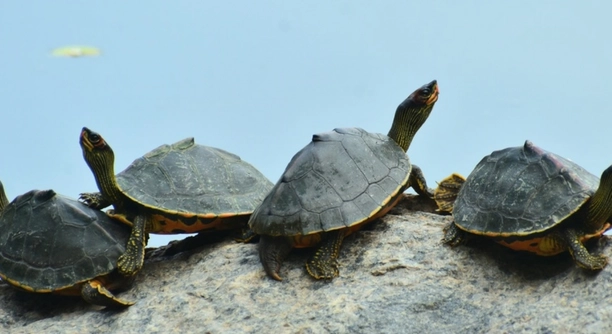
Is your Indian Roofed Tortoise showing signs of contentment, but you are unsure what to look for? Understanding their behavior can help ensure they feel safe and comfortable in their environment. Recognizing these signs can strengthen your bond with your pet.
A comfortable Indian Roofed Tortoise will display relaxed body language, regular basking habits, and a healthy appetite. It will explore its enclosure, show interest in its surroundings, and exhibit smooth, even breathing. These behaviors indicate a stress-free and well-adjusted pet.
Observing your tortoise’s daily activities can reveal important clues about its well-being. Small details in movement, feeding patterns, and resting positions provide insight into its comfort levels. Learning these signs will help you create the best environment for your tortoise.
Your Tortoise Moves Around Freely
A comfortable Indian Roofed Tortoise will explore its enclosure without hesitation. It will walk around, climb over objects, and investigate new things. If your tortoise is active and curious, it likely feels safe and secure in its habitat. A lack of movement may indicate stress or discomfort, so monitoring its activity is important.
Tortoises that feel at ease will move at their own pace and engage with their surroundings. They may rest in different spots throughout the day instead of staying in one place. This behavior shows they feel confident in their environment.
To encourage natural movement, provide a spacious enclosure with hiding spots, rocks, and logs. A proper setup allows your tortoise to explore while feeling secure. Make sure the temperature and humidity levels are appropriate, as these factors directly affect its comfort. A well-maintained habitat promotes healthy activity and reduces stress.
Your Tortoise Eats Regularly
A tortoise that eats consistently is a sign of good health and comfort. If your pet eagerly comes to its food and finishes its meals, it likely feels at ease. A sudden loss of appetite could indicate stress or an unsuitable environment.
Providing a balanced diet is essential for your tortoise’s well-being. Fresh greens, vegetables, and calcium-rich foods should be included in its meals. Make sure food is easily accessible and served at the same time each day. Routine feeding helps your tortoise feel secure and establishes a sense of normalcy.
If your tortoise refuses to eat, check for possible causes such as incorrect temperatures, an unclean enclosure, or changes in its surroundings. Stress and illness can also affect its appetite. Observe its behavior closely and make adjustments if necessary. A tortoise that eats regularly is likely feeling safe and comfortable in its home.
Your Tortoise Basks Regularly
Basking is essential for a tortoise’s health, and a comfortable tortoise will spend time under its heat source daily. If your tortoise basks regularly, it is regulating its body temperature properly and feels safe enough to relax in an open space.
A tortoise that basks often will stretch out its legs, fully exposing its body to the warmth. This behavior helps with digestion, metabolism, and shell health. If your tortoise avoids basking or stays hidden for long periods, the temperature or lighting might not be suitable. Adjusting the heat lamp placement or wattage can help encourage proper basking habits.
A proper basking area should have a temperature of around 90–95°F, with a cooler side for temperature regulation. Ensure that the UVB lighting is functional, as it helps with calcium absorption. A tortoise that basks daily is likely feeling comfortable and thriving in its environment.
Your Tortoise Has Smooth Breathing
A healthy, relaxed tortoise breathes quietly and evenly. If your tortoise shows no signs of labored breathing, wheezing, or excessive stretching of the neck, it is likely comfortable. Irregular breathing or mucus around the nose may indicate stress or illness, requiring immediate attention.
Environmental factors play a big role in respiratory health. Cold temperatures, high humidity, or dirty enclosures can cause breathing problems. Keep the habitat clean, maintain proper temperature and humidity levels, and ensure good ventilation. If your tortoise shows signs of discomfort while breathing, check for possible issues in its surroundings.
Tortoises breathe through their nostrils, and any unusual sounds or excessive mouth breathing should not be ignored. Regularly observing your tortoise’s breathing patterns helps detect potential health concerns early. A tortoise that breathes smoothly and without effort is likely living in a well-maintained, stress-free environment.
Your Tortoise Has a Healthy Shell
A smooth, even shell with no cracks or softness is a sign of a comfortable and well-cared-for tortoise. A healthy shell indicates proper diet, lighting, and humidity levels, all of which contribute to your tortoise’s overall well-being.
If the shell appears bumpy, overly soft, or discolored, something may be off in its environment. Poor UVB lighting, lack of calcium, or improper humidity can cause shell problems. Regularly checking and maintaining these factors ensures your tortoise stays healthy and comfortable.
Your Tortoise Engages With Its Surroundings
A comfortable tortoise will actively explore its environment, investigate objects, and respond to changes. If your tortoise hides constantly or remains inactive for long periods, it may be feeling stressed or unwell. Providing enrichment, such as rocks, plants, and hiding spots, encourages natural behaviors and keeps your tortoise engaged.
Your Tortoise Sleeps Peacefully
A tortoise that sleeps in a relaxed posture and wakes up easily for feeding is likely feeling secure. If your tortoise appears restless or sleeps too much, environmental factors such as lighting, temperature, or stress may be affecting its comfort. Ensuring a proper day-night cycle supports healthy sleep patterns.
FAQ
How do I know if my tortoise is stressed?
Signs of stress in a tortoise can include lack of appetite, hiding for long periods, excessive pacing, or lethargy. If your tortoise is spending more time than usual in its hiding spot or is refusing food, it may be feeling stressed. Another indicator is erratic behavior, such as running in circles or digging excessively. Stress can be caused by various factors, such as changes in its environment, incorrect temperature, humidity issues, or loud noises. Keep an eye on these behaviors and try to adjust its environment to make it more comfortable.
What should I do if my tortoise isn’t eating?
If your tortoise stops eating, the first thing to check is the temperature and humidity of its enclosure. Tortoises need specific conditions to thrive, and if these are off, it could affect their appetite. A decrease in food intake could also be caused by stress, illness, or an unbalanced diet. Offer fresh, nutritious food, and ensure it’s in good condition. If the problem persists, consider taking your tortoise to a vet for a check-up, as there could be underlying health concerns.
Can I keep my tortoise with other pets?
While some tortoises can tolerate the presence of other animals, it’s important to be cautious. Many tortoises prefer to be alone and might feel stressed if housed with other pets, especially aggressive or fast-moving animals. If you plan to house your tortoise with other pets, make sure the environment is large enough for both, and ensure that no animals are able to harm or disturb your tortoise. Always observe their interactions closely to avoid any potential stress or injury.
How can I create a better habitat for my tortoise?
To create a comfortable habitat, provide a spacious enclosure that offers hiding spots, climbing areas, and plenty of room to explore. Ensure proper heating with a basking light, and offer a cooler area for temperature regulation. The enclosure should also include a UVB light source to help with calcium absorption. Use non-toxic plants for decoration and include a shallow water dish for hydration. Regular cleaning of the enclosure will prevent bacteria buildup and keep your tortoise healthy.
How often should I clean my tortoise’s habitat?
It’s essential to keep your tortoise’s habitat clean to avoid bacteria and mold buildup. Spot clean the enclosure daily by removing uneaten food, waste, and any other debris. Once a week, do a more thorough cleaning, including washing the water dish and wiping down surfaces. Monthly, sanitize the entire enclosure to maintain a healthy environment. Keeping the habitat clean ensures that your tortoise remains comfortable and free from harmful pathogens.
How can I tell if my tortoise is in pain?
Tortoises are good at hiding discomfort, but there are some signs to watch for. A tortoise in pain may show changes in behavior, such as being unusually withdrawn, lethargic, or less active than usual. You might also notice it avoiding movement, keeping its limbs tucked inside the shell, or showing signs of breathing difficulty. If you notice these signs, it’s important to take your tortoise to the vet to rule out any health issues.
Can my tortoise get too hot or too cold?
Yes, temperature regulation is crucial for your tortoise’s well-being. If the enclosure is too hot or too cold, your tortoise can experience stress, discomfort, or even health issues. The basking area should be between 90-95°F, and the cooler side should be around 75°F. If the habitat is too cold, your tortoise may become sluggish, and if it’s too hot, it could become overheated. Always monitor temperatures with a thermometer to keep them within the recommended range.
What kind of food should I feed my tortoise?
Indian Roofed Tortoises are herbivores, and their diet should consist primarily of dark leafy greens, vegetables, and some fruits. Offer a variety of greens such as dandelion leaves, collard greens, and mustard greens. You can also include safe vegetables like carrots, squash, and bell peppers. Avoid feeding them high-protein foods, like meat or dairy, as these can cause health issues. Always ensure fresh, pesticide-free food is available.
Why is my tortoise not basking?
If your tortoise is avoiding the basking area, the heat may be too intense or not intense enough. Ensure the basking light is providing the correct temperature range. Additionally, check the overall lighting setup. Tortoises need UVB light for proper calcium metabolism, and if the light isn’t adequate, they may avoid basking. Stress or changes in the environment can also cause a tortoise to avoid basking. Ensure the habitat is calm and secure, and the temperature and lighting are optimal.
How can I prevent shell damage in my tortoise?
To prevent shell damage, ensure your tortoise has a safe, well-maintained environment. Provide smooth surfaces for it to roam on, and avoid rough or sharp objects that could cause injury. Adequate calcium intake is also essential for maintaining a strong shell. Make sure your tortoise has access to a calcium supplement, such as cuttlefish bone or calcium powder on its food. Proper lighting, especially UVB light, also plays a vital role in shell health.
Is it normal for my tortoise to burrow?
Yes, burrowing is a natural behavior for tortoises, especially if they feel the need to hide or regulate their temperature. It can also be a sign of stress or an attempt to find a more suitable environment. Providing a substrate that allows your tortoise to dig, such as coconut coir or soil, will help them express this behavior in a healthy way. If your tortoise is burrowing excessively, however, it may indicate stress or discomfort with its surroundings.
Final Thoughts
Caring for an Indian Roofed Tortoise involves paying attention to several factors that affect its comfort and well-being. From ensuring the right temperature to providing a balanced diet, every little detail counts. By observing your tortoise’s behavior, you can quickly tell if it’s happy and healthy. Recognizing the signs of comfort, such as regular movement, basking, and eating, will help you create an ideal living environment for your pet. Regular checks of your tortoise’s habitat will also prevent potential issues, such as temperature imbalances or dirty enclosures, that may cause discomfort or stress.
Maintaining a healthy environment for your tortoise is crucial. Ensuring your pet has a clean, spacious enclosure with proper heating, lighting, and humidity is essential for long-term comfort. Offering a variety of safe foods and making sure your tortoise is hydrated will also promote good health. Monitoring your tortoise’s behavior, including its eating habits, activity level, and shell condition, will help you notice any changes that could indicate stress or health problems. Quick adjustments can make a big difference in keeping your tortoise comfortable and stress-free.
Finally, patience is key when it comes to caring for your tortoise. While some signs of discomfort may be more obvious, others might be subtle. Taking the time to learn your tortoise’s habits and preferences can help you respond to its needs before problems arise. Creating a comfortable environment will allow your Indian Roofed Tortoise to thrive and enjoy its life with you for many years. With the right care, your tortoise will show you its comfort through relaxed behavior, smooth breathing, and a healthy appetite.

Hello,
If you enjoy the content that we create, please consider saying a "Thank You!" by leaving a tip.
Every little bit helps us continue crafting quality advice that supports the health, happiness, and well-being of pets around the world, for pets of all shapes, sizes, and species.
We really appreciate the kindness and support that you show us!