
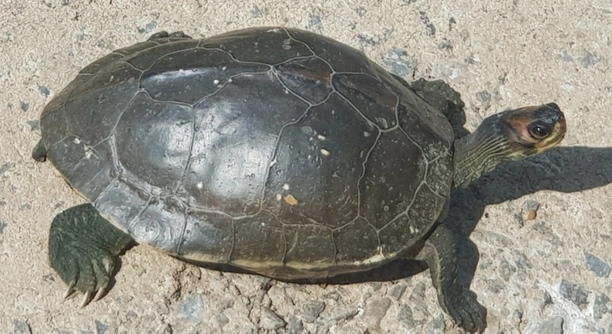
Do you ever find yourself searching for the perfect water bowl for your Indian Roofed Tortoise? Providing the right bowl is essential for their hydration and well-being, ensuring they stay comfortable and healthy in their enclosure.
The best water bowls for Indian Roofed Tortoises are shallow, sturdy, and easy to clean. A well-designed bowl prevents tipping, allows easy access, and mimics their natural environment. Choosing the right one ensures your tortoise stays hydrated without unnecessary mess.
Understanding what makes a water bowl suitable can make all the difference. From size and material to ease of maintenance, these factors play a key role in keeping your tortoise happy and healthy.
7 Best Water Bowls for Indian Roofed Tortoises
Finding the right water bowl for your Indian Roofed Tortoise can make a big difference in their daily routine. A well-designed bowl should be shallow enough for easy access while preventing spills. It should also be made of safe, durable materials that are easy to clean. Some bowls come with textured surfaces to help your tortoise grip, while others are designed to blend into their habitat. Choosing the best option ensures your tortoise stays hydrated without unnecessary mess. With so many choices available, selecting the right bowl can feel overwhelming, but a few key features make all the difference.
A water bowl that is too deep can make it difficult for your tortoise to drink. On the other hand, a lightweight bowl may tip over easily. Stability, depth, and material are three important factors to consider when picking the perfect water dish.
After testing various options, we have narrowed it down to the top seven water bowls for Indian Roofed Tortoises. These selections offer the right balance of functionality, safety, and ease of maintenance. Whether you prefer a natural-looking bowl or a simple, easy-to-clean design, there is something for every setup.
What to Look for in a Water Bowl
A good water bowl should provide easy access and stay in place. It should be made from non-toxic materials and have a sturdy design. Cleaning should also be simple to prevent bacteria buildup.
The best water bowls are made of ceramic, stone, or high-quality plastic. These materials prevent tipping and keep the water clean. The size of the bowl should match your tortoise’s needs, ensuring they can drink without struggling. Some bowls also have textured surfaces to provide grip, reducing the risk of slipping. If your tortoise tends to knock things over, a weighted or wide-based bowl can help. Avoid bowls with steep sides, as they can make drinking difficult.
Placement is another important factor. Keep the bowl in a shaded area of the enclosure to prevent water from heating up too quickly. Regular cleaning is necessary to prevent algae growth and bacteria buildup. By choosing a well-designed water bowl and maintaining it properly, you can ensure your tortoise stays hydrated and healthy.
Best Materials for Water Bowls
Ceramic bowls are a great choice because they are heavy and difficult to tip over. They also retain water temperature well, preventing it from getting too warm. Their smooth surface makes cleaning easy, reducing the risk of bacteria buildup. Just ensure the bowl is lead-free and food-safe.
Stone bowls offer a natural look that blends well into the enclosure. They are sturdy and provide good grip for tortoises while drinking. These bowls are also resistant to scratches, making them long-lasting. However, they can be heavier, which means they should be placed carefully. Some stone bowls have textured surfaces, helping tortoises feel more secure.
Plastic bowls are lightweight and affordable, but not all are suitable. Choose one made from high-quality, non-toxic plastic to avoid harmful chemicals. A textured bottom can help prevent slipping. While plastic bowls are easy to clean, they may not be as durable as ceramic or stone options.
Best Sizes and Shapes for Water Bowls
A shallow, wide bowl is the best option. It allows easy access for drinking while preventing accidental drowning. Tortoises prefer stable surfaces, so a flat-bottomed design is ideal. The bowl should be large enough to hold enough water but not so deep that it becomes difficult to use.
For hatchlings, a bowl with a low rim is best. It ensures they can reach the water without struggling. Medium-sized tortoises need a slightly larger bowl, but it should still be shallow. Adult tortoises require a stable, wide dish that holds enough water for regular drinking. Some bowls have sloped edges, making it easier for tortoises to reach the water.
The shape of the bowl also matters. Circular bowls are common, but rectangular ones can fit better in certain enclosures. Some bowls mimic natural rock formations, blending into the habitat. If your tortoise tends to step into the bowl, choose one with a slip-resistant surface. Stability and accessibility should always be the main priorities.
Easy-to-Clean Water Bowls
A smooth, non-porous surface helps prevent bacteria buildup and makes cleaning easier. Ceramic and high-quality plastic bowls are ideal because they do not absorb water or odors. Avoid bowls with rough textures, as they can trap dirt and make scrubbing more difficult.
Removable water bowls simplify cleaning. Choosing a bowl that is easy to lift and rinse reduces maintenance time. Regular cleaning with mild soap and warm water keeps the bowl hygienic. Avoid harsh chemicals, as they can leave residue that may be harmful to your tortoise.
Spill-Proof Water Bowls
A wide, weighted base helps prevent tipping. Heavy materials like ceramic or stone add stability, making it harder for your tortoise to knock the bowl over. Low-profile designs with gently sloped edges also reduce the risk of spills while allowing easy access to water.
Best Placement for Water Bowls
Keep the water bowl in a shaded area to prevent overheating. Placing it on a flat, stable surface ensures it stays secure. Avoid positioning it near food to reduce contamination. Regularly changing the water keeps it fresh and safe for your tortoise.
FAQ
How often should I change my tortoise’s water?
Change the water at least once a day to keep it fresh and clean. If the water gets dirty from food, substrate, or waste, replace it immediately. Regular water changes help prevent bacteria buildup and ensure your tortoise stays hydrated.
Can I use a regular bowl instead of a tortoise-specific water bowl?
Yes, as long as it meets the right criteria. A regular bowl should be shallow, stable, and made from safe materials. Avoid deep bowls, as they can be hard for tortoises to access. A non-slip bottom also helps prevent spills and tipping.
What is the best way to clean a tortoise water bowl?
Use warm water and mild soap to scrub the bowl daily. Avoid strong chemicals, as residue may harm your tortoise. A soft brush can help remove dirt. Rinse thoroughly to ensure no soap remains before refilling with fresh water.
Should I place the water bowl near the heat source?
No, placing the bowl near a heat lamp can cause the water to warm up too quickly. This may discourage your tortoise from drinking. Keep the bowl in a cooler, shaded area of the enclosure to maintain a comfortable water temperature.
What size water bowl does my tortoise need?
The bowl should be large enough for your tortoise to drink comfortably but not too deep. Hatchlings need smaller, low-rimmed bowls, while adults require wider, more stable options. A bowl that holds a few inches of water is usually ideal.
Can my tortoise soak in its water bowl?
Some tortoises enjoy soaking, but the bowl should not be deep enough to cause drowning risks. If your tortoise likes to soak, provide a separate shallow soaking dish. This prevents their drinking water from getting dirty too quickly.
What happens if my tortoise flips over in the water bowl?
A deep or slippery bowl increases the risk of flipping, which can be dangerous. Choose a bowl with textured surfaces and low sides to prevent accidents. If your tortoise tends to tip over, check the bowl regularly and ensure the enclosure setup is safe.
Are plastic water bowls safe for tortoises?
High-quality, non-toxic plastic bowls are safe, but avoid cheap or thin plastic that may leach chemicals. Look for BPA-free options. Plastic bowls should also be weighted or have a non-slip base to prevent tipping.
How do I prevent algae growth in the water bowl?
Regular cleaning is key to preventing algae buildup. Scrub the bowl thoroughly every few days and avoid placing it in direct sunlight, as warmth can promote algae growth. Using filtered or dechlorinated water can also help reduce buildup.
Can I put a rock in the water bowl for stability?
Yes, adding a small rock can help weigh the bowl down and prevent tipping. Just make sure the rock is smooth and safe for your tortoise. Avoid sharp edges or rough textures that could cause injury.
Should I use a water filter in my tortoise’s bowl?
A filter is not necessary for a standard water bowl, as regular water changes are more effective. However, if you use a larger water feature, a gentle filter can help keep the water clean. Always ensure the water flow is not too strong.
Do tortoises drink a lot of water?
Tortoises drink when they need to, but their water intake depends on humidity and diet. If they eat water-rich foods, they may drink less. Always provide fresh water so they can drink whenever necessary.
Can I use tap water for my tortoise?
Tap water is generally safe, but if it contains high chlorine levels, let it sit for 24 hours before use. Dechlorinated or filtered water is a better option, especially if your tap water has strong chemical additives.
Why does my tortoise keep stepping in the water bowl?
Tortoises sometimes walk through their water to cool down or soak. If this happens often, provide a separate soaking dish to keep their drinking water clean. A textured bottom can also make the drinking bowl more comfortable for them.
Final Thoughts
Choosing the right water bowl for your Indian Roofed Tortoise is an important part of their care. A well-designed bowl ensures they have constant access to clean water while preventing spills and contamination. The best options are shallow, stable, and easy to clean. Materials like ceramic, stone, or high-quality plastic provide durability and safety. A wide, weighted base helps prevent tipping, while a textured surface gives your tortoise better grip. Regular cleaning and proper placement in the enclosure will also keep the water fresh and safe. Paying attention to these details helps maintain your tortoise’s hydration and overall health.
A poorly chosen water bowl can lead to several issues, such as dehydration, dirty water, or even accidental flipping. If the bowl is too deep, your tortoise may struggle to drink. If it is too light, it can tip over easily. Finding the right balance between accessibility and stability is key. Checking the bowl daily for spills or debris ensures your tortoise always has a clean water source. Some tortoises may step into their water or even try to soak in it, so keeping a separate dish for soaking can help maintain cleanliness. Small adjustments in bowl size, material, or placement can make a big difference.
Providing fresh water and a proper bowl is a simple yet essential part of tortoise care. It ensures they stay hydrated, comfortable, and safe in their environment. Whether you choose a natural stone dish, a ceramic bowl, or a sturdy plastic option, the most important thing is to find one that suits your tortoise’s needs. Regular maintenance and mindful placement will keep their water clean and accessible. Taking the time to choose the best water bowl will contribute to a healthier and happier tortoise in the long run.

Hello,
If you enjoy the content that we create, please consider saying a "Thank You!" by leaving a tip.
Every little bit helps us continue crafting quality advice that supports the health, happiness, and well-being of pets around the world, for pets of all shapes, sizes, and species.
We really appreciate the kindness and support that you show us!