
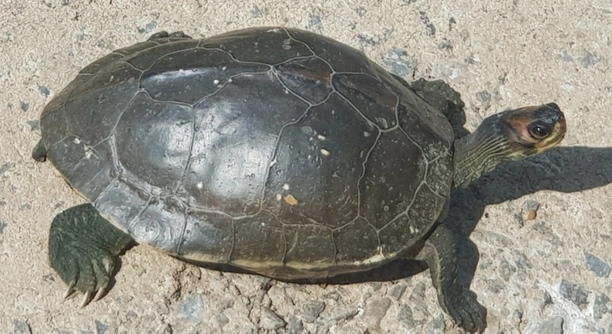
If your Indian Roofed Tortoise is scratching itself, you may be concerned about its health. This behavior could have various causes, some of which might be easier to address than others.
The scratching could be caused by skin irritation, parasites, or even shedding. Each of these factors can lead to discomfort, and understanding the root cause is crucial for proper care. A vet’s guidance may be needed.
Knowing the possible causes can help you ensure your tortoise’s comfort and well-being. Understanding what’s behind the scratching can also make it easier to provide the proper care.
Common Causes for Scratching in Indian Roofed Tortoises
Skin irritation is one of the most common reasons your tortoise might be scratching. It could be from the bedding you’re using, whether it’s too rough or contains chemicals that irritate the skin. Over time, poor humidity levels or too much moisture in their habitat can cause dryness or discomfort. If your tortoise’s enclosure is too dry, its skin may become flaky and itchy. You may notice your tortoise rubbing itself against objects to relieve the irritation. Keeping their environment clean and adjusting the humidity can make a significant difference in reducing scratching.
A diet lacking essential nutrients can also contribute to skin problems, making scratching more frequent.
Another potential cause of scratching is the presence of parasites, such as mites. These tiny creatures can irritate the skin, prompting your tortoise to scratch in an attempt to get rid of them. It’s important to inspect your tortoise regularly for signs of pests. If you suspect mites, consult a veterinarian for treatment. Ensuring that the tortoise’s habitat is clean and free from pests can go a long way in preventing this.
Shedding and Its Impact
Tortoises shed their skin as they grow, and this process can cause irritation.
During shedding, the outer layers of the skin may come off in patches, and this can make your tortoise feel itchy. If the shedding is irregular or uncomfortable, it may lead to excessive scratching. You can help your tortoise by maintaining proper humidity levels and making sure it has a smooth surface to rub against. Some tortoises also benefit from a warm, damp towel for gentle assistance with the shedding process. If your tortoise’s skin appears excessively dry or damaged, it may need extra care during the shedding period.
A small amount of scratching during shedding is normal, but persistent scratching could signal a deeper issue. If this continues, it’s wise to seek advice from a veterinarian to rule out underlying problems like skin infections or other health concerns.
Poor Habitat Conditions
If your tortoise’s habitat isn’t set up correctly, it can lead to discomfort and scratching. For instance, inadequate lighting, improper humidity, or rough surfaces may cause irritation. Tortoises require a warm, humid environment to thrive. If it’s too dry, their skin can become flaky, making them more likely to scratch.
Make sure your tortoise has access to both warm and cooler areas in its habitat. The temperature gradient will help regulate their body temperature and overall health. Regularly check humidity levels and ensure the enclosure has appropriate substrates like coconut fiber or soil. If conditions are off, your tortoise may start scratching to relieve discomfort.
Humidity plays a huge role in your tortoise’s skin health. If the air is too dry, your tortoise’s skin may dry out, causing it to scratch. Adding a humidifier or misting the enclosure can help maintain the proper moisture level. Proper hydration also supports healthy shedding. Be sure to monitor these factors regularly to prevent skin irritation.
Infections and Skin Conditions
Infections can cause your tortoise to scratch excessively. Bacterial or fungal infections may irritate the skin, making it itchy. These infections often occur when the habitat isn’t kept clean or the tortoise is exposed to excess moisture. If your tortoise scratches with no visible reason, an infection might be the issue.
Look for signs like swelling, redness, or discharge around the skin, as these could indicate an infection. Bacterial infections are usually treated with antibiotics prescribed by a vet, while fungal infections may require antifungal treatments. Make sure to clean your tortoise’s enclosure regularly to prevent the buildup of harmful bacteria or fungi.
Infections can develop in places like the shell or under the legs, where the skin is thinner and more sensitive. If the scratching continues despite improved conditions, consider scheduling a vet visit. A professional will be able to diagnose the problem and provide the correct treatment plan.
Mites and Other Parasites
Mites are a common cause of itching and scratching in tortoises. These tiny parasites can be hard to see, but they cause irritation, leading your tortoise to scratch to get relief. If untreated, mites can cause serious skin damage.
To check for mites, look for small, dark spots on the skin or shell. These pests may also be found in the tortoise’s bedding. If you find mites, it’s important to treat the problem immediately. Your vet can recommend safe treatments to get rid of mites and prevent further irritation.
Improper Diet
A poor diet can also contribute to your tortoise’s scratching. When tortoises don’t receive enough of the right nutrients, their skin can become dry or inflamed. A lack of calcium or vitamins can cause various health problems, including skin irritation.
Make sure your tortoise is eating a balanced diet, rich in fiber, calcium, and essential vitamins. Dark leafy greens, such as collard greens and dandelion greens, are great additions. Additionally, provide a calcium supplement to support healthy skin and shell growth. Proper nutrition is key to keeping your tortoise healthy and comfortable.
Stress and Anxiety
Stress can cause your tortoise to scratch more often than usual. Changes in its environment, like a noisy space or a new pet in the house, can trigger anxiety. Stress affects your tortoise’s behavior and can result in skin issues like excessive scratching.
To reduce stress, create a calm environment. Make sure your tortoise has a quiet space where it feels safe. Avoid handling it too much and provide plenty of hiding spots to help it feel secure. Reducing stress will promote both your tortoise’s emotional and physical well-being.
FAQ
What are some signs that my tortoise’s scratching is a serious issue?
If your tortoise is scratching constantly, has visible sores, or is behaving unusually, it may indicate a more serious problem. Watch for signs of infection like swelling, pus, or redness. If the skin is damaged or you notice a sudden change in behavior, it’s time to see a vet. Scratching should not be continuous, and if it’s accompanied by other symptoms like lethargy or appetite loss, it could signal something more severe.
How can I tell if my tortoise is shedding?
When a tortoise is shedding, it may rub itself against objects, trying to remove old skin. The skin can appear flaky or patchy. If your tortoise seems to be scratching to get rid of loose skin, it’s likely shedding. The shedding process is normal and may happen more frequently in young tortoises as they grow. Keep the habitat humid to help with the shedding and ensure the tortoise’s skin remains healthy during this period.
Can poor diet lead to scratching in tortoises?
Yes, a poor diet can cause your tortoise to scratch. When tortoises don’t get enough essential nutrients, it can affect their skin health. For instance, a lack of calcium or vitamins can lead to skin problems. It’s essential to provide a well-balanced diet, including leafy greens and the right supplements. Ensuring that your tortoise eats a variety of food rich in fiber and calcium can prevent skin irritation that leads to scratching.
How do I deal with mites on my tortoise?
Mites can be tricky to spot but are a common cause of itching. They may appear as tiny dark spots on your tortoise’s skin or shell. If you suspect mites, you can treat your tortoise with a specific mite treatment prescribed by a veterinarian. You should also clean the tortoise’s enclosure thoroughly, removing all bedding and disinfecting surfaces. Regular inspection and maintaining a clean habitat will help prevent future infestations.
How often should I clean my tortoise’s habitat to prevent scratching?
Cleaning your tortoise’s habitat regularly is crucial in preventing scratching caused by poor conditions. The enclosure should be cleaned at least once a week, with more frequent spot cleaning as needed. Replace the bedding regularly and disinfect the area. Keeping the enclosure clean reduces the chance of bacteria or fungi growth, which could irritate your tortoise’s skin and cause scratching. Always check the humidity levels, as a dry environment can also contribute to skin issues.
What is the best substrate for my tortoise’s enclosure to prevent skin irritation?
The best substrate for your tortoise’s habitat depends on the species and its needs. For most tortoises, coconut fiber, soil, and a mixture of sand and dirt work well. These substrates mimic natural environments and provide a soft surface for the tortoise. Avoid using rough materials like cedar shavings, as they can irritate the skin. Make sure to maintain proper humidity levels to keep the substrate comfortable for your tortoise and prevent skin dryness or irritation.
Can stress cause my tortoise to scratch more?
Yes, stress can lead to excessive scratching. Tortoises are sensitive to changes in their environment, and stress factors such as loud noises, new animals, or sudden changes in habitat can make them scratch more. Stress can also weaken their immune system, making them more susceptible to infections. To reduce stress, ensure your tortoise’s environment is quiet, secure, and free from sudden changes. If your tortoise seems stressed, try to minimize handling and provide plenty of hiding spaces.
What should I do if my tortoise is scratching but I can’t find a clear cause?
If your tortoise is scratching but the cause isn’t obvious, consider monitoring its behavior over time. Check for signs of skin irritation, parasites, or improper habitat conditions. If none of these are apparent, a visit to the vet is recommended. A vet can perform a thorough examination and identify hidden issues such as internal parasites, infections, or nutritional deficiencies. Early intervention can prevent long-term health problems and provide your tortoise with much-needed relief.
How can I ensure my tortoise’s skin stays healthy and prevents scratching?
To keep your tortoise’s skin healthy, maintain a clean and appropriately humid environment. Provide a balanced diet rich in fiber, calcium, and essential vitamins. Regularly check for signs of skin irritation or infection. Bathing your tortoise in warm, shallow water can help hydrate its skin, especially during shedding periods. Be proactive about cleaning the enclosure, checking for pests, and providing a proper light and heat source to promote overall skin health. A healthy habitat and diet are essential in preventing scratching.
Is it normal for my tortoise to scratch while shedding?
Yes, scratching during shedding is normal. As tortoises shed their skin, they often rub against surfaces to remove the old skin. This behavior is entirely natural and part of their growth process. However, if the scratching seems excessive or leads to skin damage, you may need to adjust the humidity levels in the habitat or provide assistance during the shedding process. If you notice any signs of infection or skin irritation, consult a vet to ensure your tortoise’s health.
Final Thoughts
Scratching in Indian Roofed Tortoises is often a sign of an underlying issue. While it’s normal for tortoises to scratch occasionally, especially during shedding or when adjusting to their environment, consistent or excessive scratching should not be ignored. Identifying the cause early on can help you address the problem before it worsens. Whether it’s due to a skin irritation, an infection, or improper habitat conditions, recognizing the signs and responding appropriately is essential for maintaining your tortoise’s well-being.
Maintaining a clean and comfortable environment for your tortoise is key. Proper humidity, temperature, and a balanced diet help ensure your tortoise’s skin remains healthy and less prone to irritation. Check the substrate regularly and avoid materials that can cause discomfort. It’s also important to clean your tortoise’s enclosure often to prevent the build-up of harmful bacteria or parasites that could trigger scratching. The more proactive you are with the environment, the fewer issues your tortoise is likely to face in the long term.
If you’ve tried adjusting your tortoise’s habitat and ensuring it’s well-fed but the scratching continues, it’s best to consult a veterinarian. A vet can help identify any hidden health problems such as parasites or infections that might be causing the issue. Early intervention is crucial, as untreated skin conditions or infections can worsen over time. Ensuring your tortoise is comfortable, healthy, and properly cared for will not only help reduce scratching but also contribute to its overall happiness and longevity.

Hello,
If you enjoy the content that we create, please consider saying a "Thank You!" by leaving a tip.
Every little bit helps us continue crafting quality advice that supports the health, happiness, and well-being of pets around the world, for pets of all shapes, sizes, and species.
We really appreciate the kindness and support that you show us!