
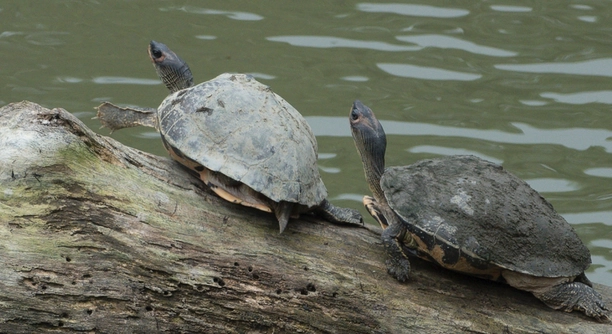
Overweight tortoises can face various health issues, and it’s essential to know the signs early. In this article, we’ll explore how to determine if your Indian roofed tortoise is overweight and offer some helpful solutions.
To assess if your Indian roofed tortoise is overweight, observe its shell shape and overall size. If your tortoise has difficulty moving, or if the shell appears disproportionate to its body, it may be carrying excess weight.
Understanding these signs and solutions will allow you to take action and help your tortoise live a healthier life. Let’s explore some steps you can take to manage their weight effectively.
Recognizing the Signs of an Overweight Indian Roofed Tortoise
Indian roofed tortoises, like any other pets, rely on their owners for proper care. If your tortoise is overweight, it can be harder for them to move around, and this can lead to health problems. Signs of an overweight tortoise include a large, swollen belly, difficulty walking, or a shell that looks more rounded or misshapen. The more noticeable these signs are, the more serious the problem may be.
You should be able to tell if your tortoise is overweight by observing its shape and movements. Excess weight can strain their organs, and make it harder for them to enjoy activities like basking or foraging.
It’s important to look at their diet and lifestyle if you think they’re gaining too much weight. Overfeeding or not giving them enough space to move can cause these problems. Ensuring proper care can help your tortoise lead a longer, healthier life.
Managing Your Tortoise’s Weight
To help your tortoise lose weight, a balanced diet is key. Make sure their meals are rich in fiber and low in fats. Offering a variety of vegetables like leafy greens and avoiding high-calorie fruits is essential for weight management.
If your tortoise is already overweight, it’s crucial to gradually reduce their food intake and adjust their diet to help them shed pounds slowly. Regular exercise, like providing room for them to roam freely, also helps in keeping their body active. Additionally, don’t forget to provide clean, fresh water for hydration.
Taking action early can help prevent future health complications. Whether it’s adjusting their diet or giving them more space to move around, small changes can go a long way in maintaining your tortoise’s health.
Proper Diet for an Overweight Tortoise
A proper diet is crucial in managing your tortoise’s weight. Focus on feeding them vegetables like dandelion greens, kale, and collard greens. Avoid giving them too many fruits or high-fat foods, as these can contribute to weight gain.
It’s important to monitor the portion sizes. Overfeeding can be just as harmful as feeding the wrong foods. Offer enough food to keep them satisfied, but not to the point where they become sluggish. Also, remember that tortoises are herbivores and need fiber to aid digestion. This helps in maintaining a healthy weight.
Supplements like calcium are important for strong shells but should be given in moderation. Too much calcium can lead to other issues. A variety of greens combined with occasional flowers, like hibiscus or clover, should be enough to support your tortoise’s nutritional needs. Regularly assess their weight and adjust the portions if needed.
Creating an Active Environment
Your tortoise needs space to roam and explore, which encourages exercise. Keep their enclosure large enough for them to move freely. The more active they are, the less likely they are to gain excess weight.
A larger enclosure allows them to explore and helps mimic their natural habitat. Provide hiding spots and different textures like rocks, dirt, or even a small water area. This gives your tortoise a chance to stay active and engaged, keeping their muscles toned and reducing the risk of obesity.
Changing up their environment from time to time can spark curiosity, leading to more movement. This promotes physical activity, helping burn off extra calories. Without enough stimulation or space, they might become sedentary, which can contribute to weight gain.
Feeding Schedule and Portion Control
Establishing a feeding schedule helps regulate your tortoise’s food intake. Feeding them once a day is often enough, but younger tortoises may need more frequent meals. Consistency is important to avoid overfeeding.
Portion control is essential. Use a small plate or feeding area to monitor exactly how much food your tortoise is eating. Avoid leaving food out all day, as they might eat more than necessary. Overeating is easy to overlook but can result in weight gain.
Monitoring Your Tortoise’s Health
Regular check-ups with a vet are essential for tracking your tortoise’s weight and overall health. A professional can assess if your tortoise is overweight and provide recommendations. They may also offer insight into any possible health concerns due to excess weight, like joint strain or digestive problems.
Consulting a vet ensures that you’re doing everything correctly and addressing any issues early on. Their guidance can also help with creating a long-term plan to manage your tortoise’s health and well-being.
Avoiding Treats and Snacks
Limit the number of treats you give to your tortoise. While they might love an occasional snack, it’s easy for these extras to contribute to weight gain. Stick to healthier food choices, like leafy greens, and save treats for special occasions.
FAQ
How can I tell if my tortoise is overweight?
You can tell if your tortoise is overweight by observing its shape and mobility. If the tortoise has difficulty moving, has a rounded or swollen belly, or if its shell appears overly large and disproportionate to its body size, these may be signs of excess weight. Additionally, if they are less active than usual, it could indicate that they are carrying more weight than they should.
What should I feed my tortoise to prevent weight gain?
To prevent weight gain, focus on a high-fiber, low-fat diet. Offer plenty of dark leafy greens, such as kale, collard greens, and dandelion greens, and limit fruits, especially those with high sugar content. Avoid feeding them high-calorie foods like lettuce or high-fat vegetables like squash. Fresh water should always be available as well.
Can I give my tortoise treats?
Treats should be given sparingly. A small amount of fruit or flowers can be given as an occasional treat, but they should not be a regular part of your tortoise’s diet. Overfeeding treats, especially sugary ones, can lead to weight gain. Stick to natural, healthy options for any treats you do offer.
How much should I feed my tortoise?
The amount to feed depends on the size and age of your tortoise. Generally, adult tortoises should be fed about once a day, with a portion that can be consumed within an hour. Young tortoises may need more frequent feedings. The portions should be small enough to prevent overeating, and always monitor their weight to adjust portions as needed.
How often should I exercise my tortoise?
Daily exercise is important for a tortoise’s health and weight management. The more space you provide for them to roam and explore, the better. Tortoises need a variety of surfaces, obstacles, and hiding spots to encourage movement. This helps them burn off calories and stay active, reducing the risk of weight gain.
Can I overfeed my tortoise by leaving food out all day?
Yes, leaving food out all day can lead to overfeeding, as your tortoise may eat more than it needs. It’s best to remove any uneaten food after a few hours. This will help regulate their intake and ensure they don’t eat excessively. Set a specific feeding time each day to maintain control over their portions.
What happens if my tortoise gets overweight?
If your tortoise becomes overweight, it could face health problems such as joint strain, difficulty moving, or even respiratory issues. Excess weight can also affect their metabolism and cause digestive problems. An overweight tortoise may also become less active, which can lead to further health complications if not addressed.
Should I change my tortoise’s diet as it ages?
As tortoises age, their diet may need to be adjusted. Older tortoises often require less food, and their metabolism may slow down. Reduce their portions to prevent weight gain and focus on low-calorie, high-fiber foods. Regularly check their weight and adjust their diet as needed to accommodate their age and activity level.
How much space does my tortoise need for exercise?
Tortoises require a spacious environment to move around freely. The more room they have to roam, the better. A larger enclosure with different types of terrain encourages physical activity and keeps them active. Make sure to provide a safe area where they can explore without getting stuck or injured.
Can stress cause my tortoise to gain weight?
Stress can indirectly contribute to weight gain in tortoises. When stressed, tortoises may eat more to comfort themselves, which can lead to overeating. Additionally, stress can cause a tortoise to be less active, further promoting weight gain. Ensure your tortoise’s environment is stable and stress-free to maintain their health.
Final Thoughts
Maintaining a healthy weight for your Indian roofed tortoise is crucial for its overall well-being. It’s important to pay attention to their diet and make sure they are getting the right nutrients without overfeeding. Regularly monitoring their weight and observing their behavior can help you spot any signs of excess weight before it becomes a bigger problem. By focusing on the right balance of vegetables, minimizing high-calorie treats, and offering the appropriate portion sizes, you can help your tortoise stay fit and active.
In addition to diet, creating a stimulating environment for your tortoise plays a vital role in keeping them healthy. Giving them space to roam and explore encourages physical activity. Without enough room to move, tortoises may become sedentary, which can lead to weight gain and other health problems. Providing an enriched habitat with various surfaces, hiding spots, and even some natural obstacles can keep your tortoise moving, preventing the negative effects of a lack of exercise. The more active your tortoise is, the easier it will be for them to maintain a healthy weight.
Remember, consistency is key. Adjusting their diet and environment gradually over time will help your tortoise stay on track. It’s also important to consult a veterinarian regularly to ensure your tortoise is in good health. If your tortoise starts showing signs of being overweight, don’t wait too long to make changes. With the right care, your tortoise can live a long, happy, and healthy life.

Hello,
If you enjoy the content that we create, please consider saying a "Thank You!" by leaving a tip.
Every little bit helps us continue crafting quality advice that supports the health, happiness, and well-being of pets around the world, for pets of all shapes, sizes, and species.
We really appreciate the kindness and support that you show us!