
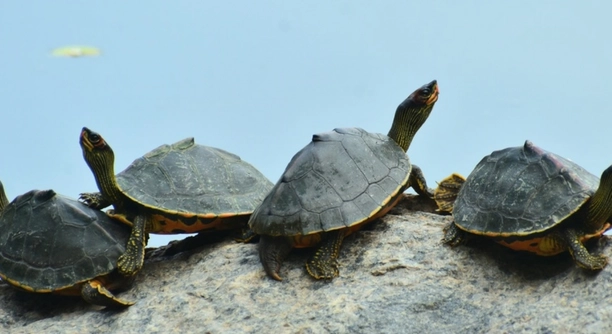
Keeping an Indian Roofed Tortoise safe from predators is essential for its well-being. These gentle creatures need protection from various threats in their natural habitat, whether in the wild or in a secure outdoor enclosure.
The best way to protect an Indian Roofed Tortoise from predators is by providing a secure, enclosed habitat with barriers that are both tall and deep enough to prevent entry. Regular monitoring and ensuring a safe environment are key to their survival.
From proper enclosure setup to smart safety tips, there are several ways to keep your tortoise safe from harm.
Enclose the Tortoise in a Secure Habitat
When creating a safe environment for your Indian Roofed Tortoise, it’s crucial to make sure the enclosure is secure and durable. You should use strong materials like wood, metal, or wire mesh for the walls and roof. The walls should be tall enough to prevent the tortoise from climbing out, typically around 1.5 to 2 feet high. Additionally, the enclosure should be deep enough to prevent predators from digging under the walls. A strong, solid roof will also keep aerial predators away.
It’s a good idea to regularly inspect the enclosure for any weak spots or gaps that might be used by predators to gain access.
By enclosing the tortoise in a secure habitat, you provide a safe and controlled environment that reduces the risks from both ground and airborne threats. This is an essential first step in protecting your pet.
Provide Hiding Spaces
Providing hiding spaces is an important aspect of your tortoise’s safety. Dense plants, rocks, or small wooden shelters can create areas where your tortoise can seek refuge. These spaces give the tortoise a chance to hide if it feels threatened, which reduces stress and enhances its overall well-being.
To ensure proper hiding places, make sure they are accessible but not easily reachable by predators. The hideout should also provide protection from extreme weather conditions.
These simple additions to your tortoise’s enclosure offer not only safety from predators but also a sense of security, which can significantly contribute to its health.
Use Elevated Platforms
Elevated platforms are an effective way to keep your Indian Roofed Tortoise safe from ground predators. By raising your tortoise’s living area a few inches above the ground, you make it harder for predators to access. The raised platforms also provide a comfortable place for your tortoise to bask and move around.
When building an elevated platform, ensure it is sturdy and has no gaps that a predator could squeeze through. You can place rocks or wooden planks on the edges to prevent escape.
Elevating the tortoise’s habitat offers a dual advantage: it reduces the risk of predators and gives your tortoise a place to retreat from harsh weather or extreme temperatures. These platforms should be spaced appropriately to ensure the tortoise can climb or step onto them without difficulty. Providing a secure, elevated space also encourages natural behavior, such as climbing or resting off the ground, which improves your tortoise’s overall quality of life.
Use Motion Sensors or Alarms
Adding motion sensors or alarms around your tortoise’s enclosure is a useful way to detect any unwanted movements. These sensors alert you immediately if a predator approaches, giving you the opportunity to intervene quickly. Motion detectors are commonly used for home security, but they also work well in protecting outdoor animals.
For the best protection, place these sensors near areas where predators are most likely to approach, such as the perimeter of the enclosure or near hiding spots. The alarm system can be set to notify you through a loud sound or a connected device.
These security devices act as an early warning system, helping you respond in time to any threats. Having these alerts can also give you peace of mind when you’re away or not actively monitoring your tortoise. It’s a simple, but effective, way to keep your pet safe while you’re not around.
Secure the Ground with Mesh
Covering the ground with a protective mesh is an essential step in keeping predators out. Strong, fine mesh should be laid over the soil, preventing animals from digging under the enclosure. The mesh also protects your tortoise from ground-level threats.
The mesh should be securely fastened to the edges and weighted down to prevent it from being lifted. Make sure there are no gaps, as even the smallest opening could allow a predator access.
This simple addition creates a barrier that greatly reduces the chances of predators reaching your tortoise from beneath. It’s an easy, yet effective solution to enhance security.
Provide Safe Shelter at Night
At night, predators are more active, so providing a safe shelter for your tortoise is important. A small, secure structure within the enclosure ensures that your tortoise has a safe place to retreat when it gets dark. This reduces the risk of nighttime threats.
The shelter should be built with sturdy materials, such as wood or metal, and should be designed to prevent predators from reaching inside. Make sure there is enough space for your tortoise to move around, but not enough for larger animals to enter.
By providing a reliable nighttime refuge, your tortoise can feel secure during its sleep, reducing stress and improving its overall well-being. It also gives you peace of mind, knowing that your pet is safe from harm while resting.
Choose a Safe Location
Choosing the right location for your tortoise’s enclosure is key to preventing predator access. It should be placed in an area that is naturally safe from predators, such as a well-lit spot or near a high-traffic area. Avoid placing it near dense bushes or woods, as these can be hiding places for predators.
Ensure the location is not prone to flooding or other environmental risks that could harm your tortoise. Also, avoid placing the enclosure in areas with frequent human traffic, as that can lead to stress for your tortoise. A secure location is as important as any physical barrier.
FAQ
How do I know if my tortoise is at risk from predators?
If your tortoise shows signs of stress or fear, it could be due to nearby predators. Watch for signs such as pacing, hiding more than usual, or a reluctance to leave its shell. You may also notice claw marks or evidence of digging near the enclosure. Animals like raccoons, foxes, or even stray dogs can pose a risk, so it’s important to regularly inspect the area around your tortoise’s habitat.
What are the best predators to watch out for?
The most common predators to watch out for include raccoons, foxes, dogs, cats, birds of prey like hawks or owls, and even large snakes. These animals may attempt to enter the enclosure to hunt or harm your tortoise. Depending on your area, these threats can vary, so it’s always a good idea to research the local wildlife that could pose a danger.
How can I tell if my tortoise has been attacked?
If your tortoise has been attacked, you might see injuries such as bite marks, scratches, or blood. It might also show signs of trauma, such as swelling or limping. Stress-related symptoms like loss of appetite, hiding more than usual, or excessive shell retraction could also indicate that something has happened. If you suspect an attack, take your tortoise to a veterinarian immediately for a check-up.
Are there specific materials that are better for building an enclosure?
Yes, certain materials are better for ensuring your tortoise’s safety. Strong wood, metal, and wire mesh are commonly used for enclosures. Mesh should have small enough holes to prevent smaller animals from getting through. For the base, consider using sturdy flooring like concrete, wood, or tiles, as these will prevent predators from digging under. Always make sure the materials used are durable and weather-resistant to withstand the elements.
How deep should the walls of the enclosure be to prevent predators from digging?
The walls of the enclosure should be at least 1 to 2 feet deep. This will help deter animals from digging underneath. Some predators, like raccoons or foxes, are excellent diggers, so it’s crucial to ensure the walls go deep enough. You can also add a layer of mesh or wire under the ground to reinforce the barrier and prevent digging.
Is it safe to allow my tortoise to roam in my yard?
Allowing your tortoise to roam in your yard can be safe if you’re closely monitoring them and your yard is secure. However, there are risks such as predators, other pets, and environmental dangers. If your yard is fenced, ensure the fence is tall enough and doesn’t have gaps where your tortoise could escape or predators could enter. It’s always safer to have a dedicated, secure enclosure for your tortoise.
How often should I check my tortoise’s enclosure for safety?
It’s a good idea to inspect your tortoise’s enclosure regularly, at least once a week. Check for weak spots, gaps in the fence, or damage caused by weather or animals. Look out for any signs of predators around the area, such as tracks or droppings. By staying vigilant, you can address any security issues before they become a bigger problem.
What should I do if I see a predator near the enclosure?
If you see a predator near your tortoise’s enclosure, take immediate action to ensure the safety of your tortoise. Make loud noises, such as clapping your hands or shouting, to scare the animal away. You can also use deterrents like motion-activated lights or sprinklers. If the predator is persistent, consider adding additional barriers or reinforcing your enclosure.
Can I keep my tortoise indoors for safety?
Yes, you can keep your tortoise indoors for added safety, especially if you live in an area with many predators. An indoor enclosure provides a secure, controlled environment for your tortoise. Just make sure it’s large enough for your tortoise to move around comfortably and that it gets enough natural light for basking. If the tortoise is kept indoors, it’s still essential to provide the right temperature, humidity, and a safe space to roam.
Do I need to worry about bird predators like hawks or owls?
Yes, birds of prey like hawks and owls can pose a serious threat to small tortoises. They can swoop down and grab your tortoise if it’s out in the open. To protect against this, consider keeping your tortoise’s enclosure covered with a strong mesh roof or place your tortoise in a sheltered area where birds can’t access. If your tortoise is outdoors, monitor it closely during the daytime to keep an eye on potential aerial threats.
How can I help my tortoise feel less stressed after a predator encounter?
If your tortoise has had a close encounter with a predator, it’s important to provide a calm and safe space. Reduce external noise, avoid sudden movements, and keep the environment as stable as possible. Make sure your tortoise has a hiding place where it can retreat and feel secure. Offering food and water can also help comfort your tortoise. If it continues to show signs of stress, consider visiting a vet to ensure there’s no physical harm.
Is there any specific training I can do to prevent predators from attacking?
While tortoises can’t be trained to avoid predators, you can take steps to train yourself to recognize potential threats. Familiarize yourself with the local predators, and take the necessary precautions to fortify your enclosure. You can also observe your tortoise’s behavior to spot early signs of distress. Keeping a routine check on the security measures will go a long way in reducing risks.
Final Thoughts
Keeping your Indian Roofed Tortoise safe from predators is essential for its well-being. These gentle creatures are vulnerable to a variety of threats, especially when they are in outdoor enclosures. By setting up a secure, enclosed habitat and using simple safety measures like hiding spots, elevated platforms, and motion sensors, you can greatly reduce the risks they face. A safe environment not only protects them from harm but also helps them thrive and feel comfortable in their surroundings.
It’s also important to regularly inspect the area around your tortoise’s enclosure for potential dangers. Checking for weak spots in fences, loose mesh, or any areas where predators could get in can make all the difference. If you notice any signs of nearby predators, such as tracks, droppings, or disturbances, it’s best to address them quickly before they become a threat. A little extra effort in maintaining a secure space for your tortoise can go a long way in preventing unwanted situations. Regular monitoring is key to keeping your pet safe and stress-free.
By taking these steps, you can ensure that your tortoise has a safe and comfortable home. Protecting it from predators will not only reduce risks but also help your tortoise live a happier, healthier life. A secure environment promotes natural behavior and reduces stress, contributing to a stronger and more resilient pet. Whether it’s using protective barriers, providing proper shelter, or keeping a close watch, every precaution you take will help safeguard your tortoise and allow it to enjoy its life without fear.

Hello,
If you enjoy the content that we create, please consider saying a "Thank You!" by leaving a tip.
Every little bit helps us continue crafting quality advice that supports the health, happiness, and well-being of pets around the world, for pets of all shapes, sizes, and species.
We really appreciate the kindness and support that you show us!