
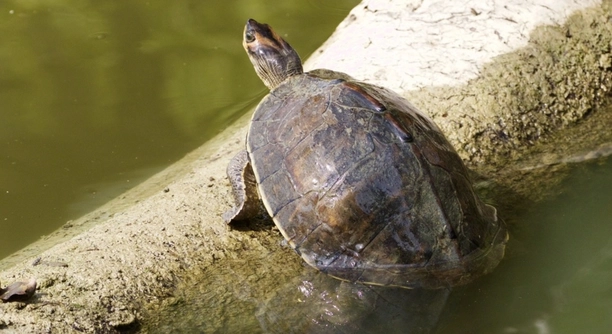
If you own an Indian Roofed Tortoise, you may notice your pet’s shell cracking from time to time. This can be concerning, but understanding the reasons behind it can help you take the right steps toward fixing it.
The most common causes of a cracking tortoise shell include dehydration, poor diet, insufficient UVB exposure, humidity issues, and injury. A shell’s health is crucial to the tortoise’s overall well-being and requires proper care and attention.
Addressing these issues can prevent further damage and ensure the health of your tortoise’s shell. Keep reading to learn more about the causes and fixes for this problem.
Dehydration and Its Impact on Shell Health
One of the most common reasons behind a tortoise’s shell cracking is dehydration. When your Indian Roofed Tortoise doesn’t drink enough water, the shell becomes brittle and may crack over time. This happens because the lack of moisture affects the keratin in the shell, weakening it. A dry environment can also contribute to this problem, especially if the tortoise isn’t getting enough humidity to keep its skin and shell hydrated. Make sure your pet has access to fresh water every day and regularly mist its enclosure to maintain the right humidity level.
Maintaining hydration is essential for the overall health of your tortoise.
If your tortoise’s shell is already cracking due to dehydration, soaking your tortoise in warm water for 20 to 30 minutes can help replenish moisture. You should also increase the humidity in its habitat, especially during dry seasons. Offering a shallow water dish can allow the tortoise to drink freely whenever it feels thirsty. Over time, this should help restore some moisture to its shell and prevent further cracking. Regular hydration and a moist environment are key to keeping your tortoise’s shell strong and healthy.
Poor Diet and Malnutrition
A poor diet can also play a role in shell cracking.
Tortoises require a balanced diet that includes high-quality greens, vegetables, and occasional fruits. Without the proper nutrients like calcium and vitamins A and D3, the shell can become soft, weak, and more prone to cracks. Feeding your tortoise a variety of leafy greens like dandelion, collard greens, and kale, along with supplements, can keep the shell strong.
Insufficient UVB Exposure
UVB light is crucial for a tortoise’s health, as it helps them process calcium. Without adequate UVB exposure, your Indian Roofed Tortoise may develop shell problems, including cracks.
UVB exposure allows tortoises to synthesize vitamin D3, which is vital for calcium absorption. If a tortoise is deprived of this light, calcium deficiency can cause shell deformities, leading to cracking or softening of the shell. To fix this, provide a UVB light bulb specifically designed for reptiles, ensuring it’s on for 10-12 hours daily. Make sure the light is at the proper distance from the tortoise.
A UVB light is an investment in your tortoise’s well-being. Replace the bulbs regularly to ensure they provide the right intensity of light. Additionally, make sure your tortoise has access to natural sunlight, if possible, but avoid direct exposure to the sun for extended periods. A combination of artificial UVB light and outdoor sun exposure can help prevent shell issues.
Humidity and Environmental Conditions
Humidity plays a critical role in your tortoise’s overall health.
The right humidity levels help prevent cracking by maintaining the moisture balance in the shell. If your tortoise’s habitat is too dry, its shell can become fragile and prone to damage. To maintain proper humidity, you can mist the enclosure regularly and include a humidifier in the room. Aim for a humidity level between 50% and 70% for an Indian Roofed Tortoise, depending on the climate in your area.
In addition to humidity, the temperature in your tortoise’s enclosure should be properly regulated. Too much heat can dry out the shell, while extreme cold can lead to respiratory infections. To avoid this, monitor the temperature closely using a thermometer and maintain a stable environment that suits your pet’s needs. Proper humidity and temperature control go hand-in-hand for keeping your tortoise’s shell healthy and crack-free.
Injury or Physical Trauma
Accidental injuries can lead to shell cracks. Tortoises are naturally curious but may get into situations where their shell is damaged.
If your tortoise falls from a height, gets stuck in tight spaces, or encounters other pets, physical trauma can cause cracks in the shell. These cracks may not always be immediately obvious but should be checked for swelling or bruising.
To prevent injuries, ensure your tortoise’s environment is safe. Avoid obstacles that could cause falls and keep the enclosure free of sharp objects. Always handle your tortoise gently, and ensure it has a secure, stable space to roam.
Shell Rot or Fungal Infections
Shell rot, caused by fungal or bacterial infections, can also weaken a tortoise’s shell.
Rot starts as soft, discolored patches on the shell, often leading to cracks if untreated. This condition is commonly linked to poor hygiene or excessively wet environments. If you notice any unusual discoloration or softness, consult a vet for treatment.
Keeping the tortoise’s habitat clean and dry is key. Regularly disinfect the enclosure, and ensure the tortoise’s shell remains dry after soaking. Be mindful of the substrate you use and avoid overly wet conditions that foster fungal or bacterial growth. Proper care and vigilance can prevent shell rot.
FAQ
What should I do if my tortoise’s shell is cracked?
If your tortoise’s shell is cracked, the first step is to examine the severity of the crack. If it’s a minor crack without exposed tissue, keep the tortoise in a clean, dry environment and monitor its condition. Make sure it has access to proper hydration and UVB light. For deeper cracks or any exposure of tissue, take your tortoise to a vet immediately. The vet may clean the wound, apply antibiotic ointment, or even recommend a shell repair procedure, depending on the damage.
How can I prevent shell cracking in my tortoise?
Prevention is key when it comes to shell cracking. Ensure that your tortoise’s habitat is properly humidified and not too dry. Provide a balanced diet rich in calcium and vitamin D3, and ensure they get enough UVB exposure. Avoid sudden temperature fluctuations and handle your tortoise gently to prevent physical injuries. Regular check-ups with a vet can help identify any underlying issues before they cause cracks or damage.
Can dehydration cause shell cracking in tortoises?
Yes, dehydration can cause a tortoise’s shell to become brittle and prone to cracking. A lack of moisture affects the keratin in the shell, leading to weakening and possible breaks. Always ensure that your tortoise has access to fresh water and maintain proper humidity levels in its habitat. Soaking your tortoise in warm water can also help prevent dehydration.
How often should I soak my tortoise in water?
Soaking your tortoise once a week is typically enough to keep it hydrated. However, if your tortoise is showing signs of dehydration or its shell looks particularly dry, soaking more frequently may be necessary. Use warm water, ensuring it covers the tortoise’s legs and part of the shell. Limit soaking to 20-30 minutes to avoid stress.
Can poor diet lead to shell cracking?
A poor diet can absolutely lead to shell issues, including cracking. A lack of calcium, vitamin D3, and other necessary nutrients weakens the shell, making it prone to damage. Make sure your tortoise eats a variety of leafy greens, vegetables, and some fruits, as well as a calcium supplement if needed. Offering the right food regularly will strengthen its shell and overall health.
What signs indicate a tortoise has shell rot?
Shell rot appears as soft, mushy, or discolored patches on the tortoise’s shell, often with an unpleasant smell. The affected area may feel spongy or weak, and the shell might crack over time. If you notice these signs, consult a vet immediately for treatment. If left untreated, shell rot can lead to severe damage and pain.
Is it necessary to use a UVB light for my tortoise?
Yes, UVB light is essential for your tortoise’s health, especially for shell strength. UVB helps your tortoise produce vitamin D3, which is crucial for calcium absorption. Without adequate UVB exposure, your tortoise may suffer from metabolic bone disease and weakened shell structures. A proper UVB light should be used for 10-12 hours a day, along with some outdoor sunlight, if safe.
What is the best humidity level for an Indian Roofed Tortoise?
The ideal humidity level for an Indian Roofed Tortoise is between 50% and 70%. If the environment is too dry, the tortoise’s shell can become brittle and cracked. You can use a hygrometer to monitor the humidity in the enclosure. Adjust the humidity by misting the habitat regularly or using a humidifier if necessary.
Can other pets cause damage to my tortoise’s shell?
Yes, other pets can potentially harm your tortoise’s shell. Animals like dogs, cats, or even other reptiles might accidentally or intentionally injure your tortoise. Keep your tortoise’s enclosure secure and away from any pets that could cause harm. If you allow your tortoise to roam outside its enclosure, always supervise its interaction with other pets.
What should I do if I find a crack in my tortoise’s shell after an injury?
If your tortoise’s shell has cracked due to an injury, the first thing you should do is check if the crack has exposed bone or tissue. If the damage is severe, take the tortoise to a vet immediately. For minor cracks, you may need to clean the wound with antiseptic and apply an antibiotic ointment. Be sure to keep the tortoise in a clean, dry space to avoid infection.
Final Thoughts
Taking care of your Indian Roofed Tortoise involves careful attention to its health and environment. If you notice any signs of a cracked shell, it’s important to address it as soon as possible. A cracked shell can cause discomfort and potentially lead to serious health issues if left untreated. Whether the crack is minor or severe, understanding the cause is key to providing the right care and preventing further damage. Regular check-ups with a vet can help you identify problems early on, ensuring your tortoise stays healthy and comfortable.
Preventing shell damage is largely about maintaining the right environment and providing a balanced diet. Ensuring proper humidity, UVB exposure, and hydration can go a long way in keeping your tortoise’s shell strong and intact. A well-rounded diet rich in calcium, vitamins, and minerals is essential for shell health. Additionally, providing a safe living space free from hazards will minimize the chances of physical injuries that could cause cracks. By taking these steps, you can greatly reduce the risk of your tortoise experiencing shell issues.
In the case of any shell problems, timely action is critical. If your tortoise’s shell has sustained significant damage or signs of infection, don’t hesitate to seek professional veterinary care. Quick treatment can prevent long-term damage and ensure your tortoise remains in good health. As a pet owner, your commitment to maintaining the proper environment, diet, and medical care will help your tortoise live a happy, healthy life, free from the stress of shell issues.

Hello,
If you enjoy the content that we create, please consider saying a "Thank You!" by leaving a tip.
Every little bit helps us continue crafting quality advice that supports the health, happiness, and well-being of pets around the world, for pets of all shapes, sizes, and species.
We really appreciate the kindness and support that you show us!