
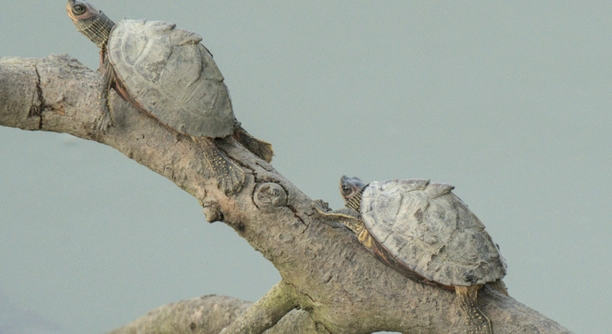
An Indian Roofed Tortoise can be a charming pet, but keeping it comfortable in the right temperature is essential for its well-being. A slight change in its environment may impact its health in various ways.
If your Indian Roofed Tortoise is too hot, it may exhibit signs like excessive basking, lack of appetite, or lethargy. It is crucial to monitor their temperature and provide cooling options such as shaded areas or cooling mats.
Proper temperature control ensures your tortoise’s health and happiness. Understanding how to adjust their environment can improve their quality of life.
Why Temperature Matters for Your Indian Roofed Tortoise
Maintaining the right temperature is essential for the well-being of your Indian Roofed Tortoise. These tortoises are native to warm environments and require heat for digestion, but overheating can cause stress. If their habitat gets too hot, it could lead to dehydration, reduced appetite, or lethargy. Unlike humans, tortoises cannot regulate their body temperature efficiently, so they rely heavily on their surroundings. The optimal temperature range for them is between 85°F and 95°F (29°C to 35°C). It’s vital to monitor the temperature and adjust it based on your tortoise’s behavior.
The heat source should be positioned to create a gradient, offering a cooler area for your tortoise to move to if it feels too warm. Placing the basking light directly over one side of the enclosure helps create this thermal gradient. Using a thermometer to check temperatures in different areas can help ensure your tortoise has access to both warm and cooler zones.
Making these adjustments ensures your tortoise stays comfortable and healthy, preventing overheating from becoming a problem.
Signs of Overheating in Your Indian Roofed Tortoise
Overheating can quickly become dangerous for a tortoise, and it’s important to spot the signs early. Some common indicators include excessive basking, where your tortoise stays under the heat source for longer than usual. Additionally, if it stops eating or becomes unusually sluggish, these could be signs of heat stress.
A well-balanced temperature will allow your tortoise to eat regularly and stay active. If your pet shows these symptoms, the first step is to move it to a cooler area of its habitat and provide fresh water. This can help reduce the effects of the heat and offer a chance for recovery.
If the temperature is too high for an extended period, you may need to adjust the lighting or heating elements to avoid causing permanent damage to your tortoise’s health. In severe cases, it’s a good idea to consult a vet for proper care.
Adjusting the Temperature in the Tank
The best way to regulate temperature is by using a reliable thermostat. Place the thermostat near the basking area to ensure it accurately reads the temperature. Also, make sure the heating light doesn’t stay on too long, as this can cause the tank to overheat.
To maintain the right temperature, consider adding a cooling fan or adjusting the wattage of your heating bulb. You can also introduce a heat mat under the tank to help maintain consistent warmth without making the environment too hot. Pay close attention to the temperature fluctuations, as a sudden increase can be harmful.
Sometimes, moving the tank to a location with better airflow or reducing the hours the light is on can solve the issue. Keeping a stable temperature is essential to your tortoise’s health, as drastic changes can lead to stress or illness.
The Role of Humidity in Temperature Control
Humidity plays an important part in temperature regulation, as it affects how your tortoise absorbs heat. When humidity is low, the environment can feel hotter than it actually is. This can lead to your tortoise feeling overheated, even if the thermometer shows a normal reading.
Ensure the humidity level stays between 50% and 70%. Too much humidity can make the air feel warmer, while too little can dry out the skin and respiratory system of your tortoise. You can adjust humidity by adding a water bowl, misting the habitat, or using a humidifier.
A good balance of both temperature and humidity will help your tortoise stay active and healthy. Regular checks on both factors will ensure that your tortoise’s habitat is comfortable and safe.
Common Mistakes to Avoid
One common mistake is placing the heat source too close to the tortoise. This can cause extreme temperatures, leading to overheating. Also, avoid using heat rocks, as they can get too hot and burn your pet. Always ensure the heat source is correctly placed and monitored.
Another mistake is not providing a temperature gradient in the tank. Without this, your tortoise can’t move to a cooler area if it becomes too hot. This can lead to stress or overheating. Ensure there’s a cooler zone where your tortoise can retreat when necessary.
Creating a Safe and Comfortable Environment
Creating a proper habitat involves more than just temperature control. It’s essential to include both dry and humid areas in your tortoise’s environment. This allows your tortoise to regulate its own comfort levels and temperature. Adding a shallow water dish for hydration will help your tortoise stay cool as well.
Providing a hiding spot and some natural elements like rocks or logs can help your tortoise feel safe. This adds to their well-being, especially when they need a break from the heat. Be sure to keep the tank clean and free of waste to prevent harmful bacteria growth.
Monitoring Temperature Regularly
You should check the temperature in your tortoise’s enclosure multiple times a day. This helps ensure it stays within the correct range. A reliable thermometer placed in both the basking area and the cooler side of the tank is necessary for accurate readings.
FAQ
What temperature should my Indian Roofed Tortoise’s enclosure be?
The ideal temperature for an Indian Roofed Tortoise is between 85°F and 95°F (29°C to 35°C). This range helps your tortoise digest its food properly and stay active. The basking area should be at the higher end of this range, while the cooler side of the tank should be slightly lower to provide a thermal gradient.
How can I tell if my tortoise is too hot?
Signs that your tortoise is too hot include excessive basking, lack of appetite, lethargy, or avoidance of the basking area. If your tortoise is spending too much time under the heat source or seems inactive and sluggish, it’s a sign that the temperature might be too high. Immediate action should be taken to cool the environment down.
Can I use a heat rock for my tortoise’s habitat?
Heat rocks are not recommended for tortoises. They can get too hot and cause burns, leading to serious injuries. Instead, use a basking lamp or heat pad to regulate the temperature in a safe and controlled manner. A heat source should be placed above, not below, the tortoise for proper warmth distribution.
How do I monitor the temperature in my tortoise’s enclosure?
Use reliable thermometers to monitor both the basking area and cooler zones of the enclosure. A digital thermometer with a probe is ideal for precise readings. Place one thermometer on the hot side and another on the cool side to ensure a consistent temperature gradient. Checking these temperatures multiple times a day is crucial.
What should I do if my tortoise is overheated?
If you notice signs of overheating, immediately move your tortoise to a cooler area of the enclosure. Offer fresh water and allow it to rest in a shaded, cooler space. You may need to adjust the heat source or move it to a better-ventilated area to prevent the temperature from rising again.
How often should I change the temperature in my tortoise’s tank?
It’s important to keep the temperature consistent. However, seasonal changes may require minor adjustments to the heating elements. If you live in an area with drastic temperature changes, you might need to slightly increase the heat in the colder months. Be sure to monitor the temperature regularly to prevent fluctuations.
Can humidity affect the temperature in my tortoise’s tank?
Yes, humidity can affect how temperature is perceived in the tank. Low humidity can make the environment feel hotter, while high humidity can make the air feel warmer than it actually is. Maintaining proper humidity between 50% and 70% is important to help regulate both temperature and overall comfort for your tortoise.
Is it necessary to have a temperature gradient in the tank?
Yes, a temperature gradient is essential. Your tortoise needs access to both warm and cooler areas to regulate its body temperature. A basking area with a heat source and a cooler area where your tortoise can move to when it feels too warm will ensure it stays comfortable. Without this gradient, your tortoise may overheat or become too cold.
What are the risks of having a temperature that’s too high for my tortoise?
If the temperature is too high, your tortoise could experience heat stress, dehydration, or even heat stroke. These conditions can cause long-term health problems, including a weakened immune system and digestive issues. It’s important to maintain a stable temperature to prevent these risks and keep your tortoise healthy.
What type of heat source is best for my tortoise?
The best heat sources for your tortoise are basking lamps or heat pads that offer indirect heat. Basking lamps provide a focused light and heat source, while heat pads can be placed under the tank to regulate the temperature from below. Always ensure the heat source is positioned above the tortoise and not too close to avoid overheating.
How can I improve airflow in my tortoise’s enclosure?
Good airflow is essential for maintaining a comfortable environment. You can improve ventilation by ensuring the tank has proper mesh or holes for air circulation. If necessary, use a small fan to encourage airflow without causing drafts. Just make sure the fan doesn’t cool the environment too much, as this could affect the temperature.
Can I use a ceramic heat emitter for my tortoise?
Yes, ceramic heat emitters are a good option for providing consistent heat without emitting light. This makes them a great choice for nighttime heating, as they don’t disturb your tortoise’s natural sleep cycle. Just ensure that the emitter provides enough warmth and is properly regulated.
How can I prevent my tortoise from overheating during the summer?
During the summer, the ambient temperature may naturally rise, making it more difficult to maintain the ideal conditions. To prevent overheating, keep the tank in a cooler part of the house, away from direct sunlight. You may need to reduce the time the basking light is on or use a fan to help cool the environment.
What are the signs of dehydration in a tortoise due to high temperatures?
Dehydration can occur if your tortoise is exposed to excessive heat for extended periods. Signs of dehydration include dry or sunken eyes, lethargy, and a lack of appetite. Providing fresh water and offering a humid environment can help prevent dehydration. If these signs appear, make sure to rehydrate your tortoise immediately and monitor its condition.
Is it okay for my tortoise to have a temperature that fluctuates throughout the day?
While some fluctuation is normal, it’s important to avoid drastic changes in temperature. A slight drop in temperature during the night is natural, but temperatures should not go below 75°F (24°C). Rapid temperature changes can stress your tortoise, affecting its appetite and overall health.
What kind of light should I use for my tortoise’s basking area?
A UVB light is essential for your tortoise’s basking area, as it helps with calcium absorption and overall health. UVB light should be placed above the basking spot, and it should be turned on for about 10-12 hours a day. This mimics the natural sunlight and helps regulate your tortoise’s internal clock.
Can I use a regular bulb for heat in my tortoise’s tank?
Regular bulbs are not recommended for heat, as they do not provide the necessary warmth for your tortoise. Specialized basking bulbs or ceramic heat emitters are designed to provide consistent, safe heat. These bulbs also emit light, which can help with the tortoise’s circadian rhythms and overall health.
How does the time of day affect temperature in the tank?
The time of day does impact the temperature, as ambient room temperature can fluctuate throughout the day. During the day, the basking area should be at the higher end of the temperature range, but it’s essential to cool the tank down at night to prevent overheating. Proper nighttime cooling will ensure your tortoise rests comfortably.
Final Thoughts
Maintaining the right temperature for your Indian Roofed Tortoise is essential for its well-being. Temperature extremes, whether too high or too low, can affect its digestion, immune system, and overall health. Creating a proper thermal gradient within the enclosure allows your tortoise to regulate its body temperature, promoting healthy activity and growth. It’s important to monitor the temperature regularly and adjust the heating elements as necessary. By providing both a basking spot and a cooler area, you ensure that your tortoise has a safe and comfortable environment to thrive in.
The signs of overheating are often subtle at first, but can lead to serious health issues if not addressed. Excessive basking, lack of appetite, and lethargy are all indicators that your tortoise may be too hot. If you notice these symptoms, it’s important to act quickly by moving your tortoise to a cooler area and adjusting the temperature in its enclosure. Heat stress can cause long-term damage, so keeping the environment stable and monitoring its condition regularly is key to preventing these issues.
In conclusion, the well-being of your Indian Roofed Tortoise largely depends on maintaining the right temperature and humidity levels. By understanding the signs of overheating and ensuring that the habitat is appropriately set up, you can avoid potential health problems. With proper care, your tortoise can live a long, healthy life. Keep in mind the importance of adjusting the temperature based on seasons, and always monitor the environment closely. Taking these simple steps will help your tortoise stay comfortable and healthy for years to come.

Hello,
If you enjoy the content that we create, please consider saying a "Thank You!" by leaving a tip.
Every little bit helps us continue crafting quality advice that supports the health, happiness, and well-being of pets around the world, for pets of all shapes, sizes, and species.
We really appreciate the kindness and support that you show us!