
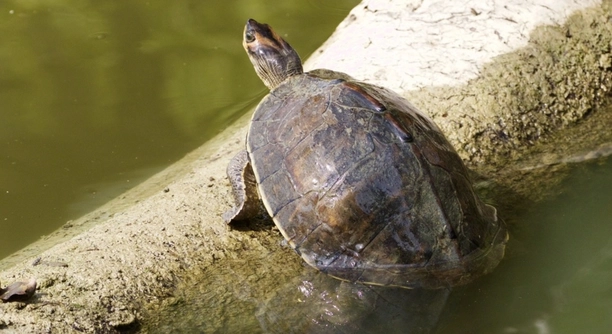
Indian Roofed Tortoises are fascinating creatures, and providing them with a suitable hide is essential for their well-being. Natural hides help mimic their natural environment, offering them a sense of security and comfort. Choosing the right hide is crucial.
The best natural hides for Indian Roofed Tortoises are typically made from materials like wood, rocks, and plants. These hides provide essential shelter and allow the tortoise to engage in natural behaviors, ensuring they feel safe and comfortable.
Selecting the right natural hide can enhance your tortoise’s habitat, promoting a happier and healthier life. Keep reading for the best options available.
Wooden Hides: A Natural Choice for Comfort
Wooden hides are a popular choice for Indian Roofed Tortoises. The texture and scent of wood provide a familiar, natural environment that helps your tortoise feel at ease. You can find various types of wood hides, such as cork bark or untreated wooden logs, which are ideal for creating a cozy space for your pet. These materials not only offer shelter but also allow your tortoise to climb and explore, enriching their habitat.
Wooden hides also encourage natural behaviors like burrowing, which is essential for their mental and physical well-being. Many tortoises enjoy the privacy and coolness wood provides. It’s important to choose untreated wood to avoid harmful chemicals, which could be toxic to your tortoise. Additionally, the wood should be sturdy enough to withstand wear from constant use.
If you want to create a more naturalistic environment, wooden hides are a great option. They also blend well with other elements of a tortoise’s enclosure, such as rocks and plants, to create a balanced and comfortable habitat.
Rock Shelters for Tortoise Hiding
Rocks provide a solid and stable hide for tortoises. These natural shelters can create a more rugged, secure environment that mimics the conditions in the wild.
Rocks give Indian Roofed Tortoises the opportunity to hide under or behind, offering them both safety and comfort.
Plant-Based Hides: A Green Alternative
Plants can serve as effective natural hides for your tortoise. By adding leafy plants like ferns or grasses, you create a lush environment that mimics their natural habitat. These plants provide cover while adding beauty and vibrancy to the enclosure.
Not only do plant-based hides give your tortoise privacy, but they also offer a natural way for your pet to interact with their surroundings. Some tortoises enjoy nibbling on plants, making it a two-in-one solution. When choosing plants, ensure they are safe for your tortoise, as some plants can be toxic.
Using plants as hides helps improve air quality in the enclosure and encourages your tortoise to explore their space. Pairing plants with rocks or wooden hides creates a diverse, natural environment for your tortoise to enjoy. The greenery helps mimic outdoor conditions, offering your tortoise a comfortable and stimulating area.
Coconut Hides: Durable and Safe
Coconut hides are a durable and eco-friendly option. Made from the outer shell of coconuts, these hides provide an appealing and safe environment for your tortoise to retreat to.
The natural texture of coconut shells mimics the types of shelters Indian Roofed Tortoises would seek in the wild. They can easily climb over or hide inside, making them a versatile addition to their habitat.
Clay or Terra Cotta Hides: A Solid Option
Clay or terra cotta hides are sturdy and provide excellent insulation. These materials keep your tortoise cool, especially during warm weather. They’re also easy to clean and maintain, making them a low-effort hide.
The weight of these hides ensures they won’t be easily moved, providing a stable hiding spot. However, they should be placed in a cool, dry area to prevent overheating. These hides are durable and last for a long time, offering your tortoise a secure and consistent hide.
Grass Hides: A Simple and Natural Shelter
Grass hides are another natural option, offering a simple and rustic hide. They are easy to create and maintain while blending seamlessly into your tortoise’s enclosure.
Grass hides provide your tortoise with a comfortable and soft spot to rest. They also serve as an excellent hiding place.
FAQ
What materials should I avoid when choosing a hide for my Indian Roofed Tortoise?
Avoid materials that are treated with chemicals or toxic substances, such as pressure-treated wood or certain painted surfaces. Also, steer clear of plastics, as they don’t allow for proper ventilation and could trap moisture, leading to mold or mildew growth.
Can I use a plastic hide for my tortoise?
While plastic hides are widely available, they aren’t the best option for your tortoise. Plastic can trap heat, leading to uncomfortable or unhealthy conditions. It also doesn’t allow your tortoise to engage with a natural environment, which can affect their well-being.
How big should the hide be for my tortoise?
The hide should be large enough for your tortoise to fit comfortably inside, with enough space for them to turn around. It shouldn’t be too big, as they need to feel secure in their space. The hide should allow them to rest, sleep, and retreat from their surroundings.
Can I use a hide that I made myself?
Yes, you can create your own hide using safe, natural materials like untreated wood, rocks, or coconut shells. Just make sure that it’s stable and free from harmful substances. A DIY hide gives you more control over the design, but it’s important to ensure the size is appropriate and safe for your tortoise.
How often should I clean my tortoise’s hide?
You should clean your tortoise’s hide regularly, at least once a week, to prevent the buildup of bacteria and mold. If you notice any signs of damage or excessive wear, clean it more often. Disinfect it with a mild solution of vinegar and water, and make sure it’s completely dry before placing it back in the enclosure.
Is it necessary to have more than one hide?
Providing more than one hide can benefit your tortoise, especially if they share their space with others. It allows each tortoise to have their own safe space, reducing stress. If you only have one hide, make sure it’s large enough for them to feel secure and comfortable.
How can I tell if my tortoise is using the hide properly?
Tortoises typically spend their time in their hides when they feel stressed, need rest, or are trying to regulate their body temperature. If you notice your tortoise frequently retreating to the hide or staying inside for extended periods, it’s a sign they feel secure in their environment.
Can I use a hide that I bought for another type of reptile?
You can use hides designed for other reptiles, but make sure they suit your tortoise’s needs. Some hides may be too small or too big, so always check the dimensions and ensure the material is safe. Tortoises also require a cooler environment, so the hide should help maintain that.
Do I need to add bedding or substrate inside the hide?
It’s not strictly necessary, but adding a soft substrate like hay or untreated soil can make the hide more comfortable and inviting. It also helps maintain humidity levels inside the hide. Just be sure to replace the bedding regularly to prevent buildup of bacteria.
Should the hide be placed in a specific location within the enclosure?
Yes, placing the hide in a quiet, less trafficked area of the enclosure will help your tortoise feel safe. It should be away from direct sunlight and heating lamps to prevent overheating. Consider placing it near a cool corner to help your tortoise regulate its body temperature.
Final Thoughts
Choosing the right hide for your Indian Roofed Tortoise is an essential part of creating a comfortable and safe environment for them. Natural hides, such as wooden, rock, or plant-based options, mimic the conditions these tortoises would experience in the wild. These materials offer both security and the opportunity to engage in natural behaviors like burrowing and exploring. Ensuring that the hide provides both shelter and a sense of privacy is key to helping your tortoise thrive in captivity.
When selecting a hide, it’s crucial to consider the size, stability, and material. The hide should be large enough for your tortoise to turn around and move freely inside, but not so large that it feels exposed. The material should be safe and non-toxic, avoiding anything that could release harmful chemicals or create an uncomfortable environment. Opting for hides made from natural, untreated materials is always a good choice to ensure your tortoise stays healthy and happy.
Ultimately, your tortoise’s well-being depends on the environment you create for them. A suitable hide is an important aspect of their habitat, offering a place to rest, escape from stress, and maintain proper body temperature. By selecting the right type of hide and keeping the enclosure clean, you can provide your tortoise with a more natural and enriching life. Regularly checking the hide for wear and ensuring it’s free from hazards will help maintain a safe, comfortable living space for your pet.

Hello,
If you enjoy the content that we create, please consider saying a "Thank You!" by leaving a tip.
Every little bit helps us continue crafting quality advice that supports the health, happiness, and well-being of pets around the world, for pets of all shapes, sizes, and species.
We really appreciate the kindness and support that you show us!