
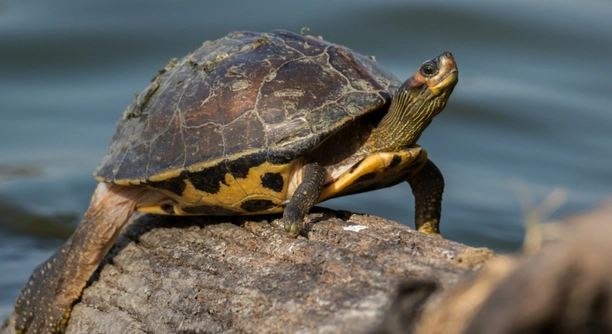
If you have an Indian Roofed Tortoise, you know how important it is to keep them healthy and safe. However, accidents can happen, and your tortoise may get injured. It’s essential to know what to do if that happens.
If your Indian Roofed Tortoise gets injured, it’s crucial to assess the injury and take action immediately. Start by gently handling your tortoise and cleaning the wound to prevent infection. Consult a vet if necessary.
Knowing the first aid steps can be a lifesaver. By following the right procedures, you can help your tortoise recover more quickly and reduce the risk of complications.
Common Injuries for Indian Roofed Tortoises
Indian Roofed Tortoises can face a variety of injuries, often due to their curious nature. One of the most common injuries is shell damage, which may occur if they fall or get hit by an object. Soft tissue injuries can also happen from sharp objects or rough handling. Broken or cracked shells are serious and require immediate attention, as they can expose the tortoise to infections. Additionally, injuries to the legs or head are frequent, and these should be addressed right away to avoid further harm. These injuries may result from mishandling, accidents, or the environment they are in.
Shell damage is one of the most concerning injuries. A cracked or broken shell needs professional care to prevent infections and further damage. Immediate action is crucial.
Treating injuries like these requires quick thinking and preparation. For minor injuries, you can treat them at home by cleaning the area and applying antiseptic, but for more severe damage, it’s important to consult a vet who specializes in reptiles. If your tortoise has a soft tissue injury, like a cut or scrape, you can clean the wound carefully with a mild antiseptic solution and apply a protective bandage. In case of a broken or fractured shell, keep the tortoise in a clean, dry environment to prevent contamination and seek veterinary care immediately. The quicker you react, the better chance your tortoise has for a full recovery.
First Aid Tips for Indian Roofed Tortoises
Knowing a few first aid tips is essential to caring for your tortoise. These steps can help address minor injuries while you prepare to seek veterinary help if necessary.
Clean the wound, keep your tortoise calm, and avoid any unnecessary handling. Clean and disinfect the injury area to prevent infection.
If your Indian Roofed Tortoise sustains an injury, one of the first things you should do is examine the wound closely. For minor cuts or scrapes, rinse the area gently with clean water. Make sure you use a mild antiseptic solution to avoid any harsh chemicals that could cause more damage. Once cleaned, apply a small amount of antibacterial ointment and allow the area to dry. Always keep the wound clean and monitor for signs of infection, such as swelling or discharge. If the injury seems serious, like shell fractures or head trauma, it’s vital to take your tortoise to a vet immediately. Providing your tortoise with a calm, safe, and quiet environment during recovery can make a significant difference in healing speed. Avoid letting them roam in a space that could cause further injury while they recover.
How to Handle Shell Injuries
If your tortoise’s shell is cracked or broken, it’s important to take immediate action. Gently clean the wound and avoid touching the injured area to prevent further stress. If the injury is severe, seek veterinary assistance as soon as possible.
A cracked shell is one of the most serious injuries your tortoise can experience. It leaves them vulnerable to infections, which can quickly worsen without proper care. After cleaning the injury, it’s crucial to keep the tortoise in a warm, dry, and quiet place to reduce stress. For shell fractures, a veterinarian may need to apply a special treatment or bandage to protect the area while it heals. In some cases, surgery may be necessary if the damage is significant.
Ensure that the environment is safe to avoid further damage. While the tortoise heals, monitor the injury carefully. If there’s any sign of infection, such as swelling or pus, reach out to the vet immediately. The quicker you respond, the better the outcome for your tortoise’s recovery.
Managing Soft Tissue Injuries
Soft tissue injuries, like cuts and scrapes, should be cleaned immediately to prevent infection. Make sure you use a mild antiseptic and avoid using harsh chemicals.
For minor cuts and scrapes, rinse the wound gently with clean water. After cleaning, apply a mild antiseptic ointment. Soft tissue injuries, while not as severe as shell fractures, still require proper care. Keeping the tortoise calm and ensuring the wound is free of debris is important to prevent complications. Avoid letting your tortoise wander in an area with sharp objects that could cause further harm.
Monitor the injury closely for signs of infection. If there’s redness, swelling, or pus, take your tortoise to the vet. These types of injuries are typically easier to treat, but if left untreated, they can cause further health issues. Regularly cleaning the wound and protecting it from contaminants will ensure the best chance of healing.
Preventing Future Injuries
To prevent future injuries, ensure that your tortoise’s living environment is safe. Remove sharp objects, and make sure the space is free from hazards that could cause falls. Regularly check the enclosure for any potential dangers.
Creating a safe space for your tortoise to roam is key. Make sure the terrain is even, and avoid placing furniture or objects that might pose a risk of injury. Secure the enclosure so your tortoise cannot escape and encounter dangers. Always supervise outdoor time, especially in unfamiliar areas.
By minimizing risks and maintaining a proper setup, you can significantly reduce the chance of your tortoise getting hurt again.
When to Seek Veterinary Help
If the injury is severe or you notice signs of infection, take your tortoise to a vet immediately. Swift treatment is vital for proper healing.
Veterinary help is crucial when injuries seem serious, such as severe shell fractures, deep cuts, or head trauma. Tortoises often hide pain, so subtle signs like a lack of movement or changes in behavior can indicate something is wrong. Don’t hesitate to consult a vet if in doubt.
FAQ
What should I do if my tortoise’s shell is bleeding?
If your tortoise’s shell is bleeding, it’s important to stop the bleeding quickly. Use a clean cloth or gauze to apply gentle pressure to the area. Once the bleeding has slowed down or stopped, clean the wound carefully with warm water and mild antiseptic. Keep the tortoise in a quiet, stress-free environment to avoid further strain. If the bleeding continues, or if you notice significant damage, take the tortoise to a vet immediately. Bleeding shell injuries can lead to infections if not treated properly, so seeking professional care is essential if the injury is serious.
Can I treat my tortoise’s injuries at home?
For minor injuries, such as small cuts, scrapes, or slight bruising, you can treat them at home. Clean the injury with mild antiseptic and apply a gentle antibacterial ointment. Keep the tortoise in a safe, clean environment to help avoid further injury. However, for more severe injuries like broken shells or deep wounds, it’s essential to seek immediate veterinary care. Home remedies should not replace professional veterinary treatment when needed, especially for serious injuries.
How do I know if my tortoise has an infection?
Signs of infection in a tortoise include swelling, redness, warmth around the injured area, discharge (such as pus), and a change in behavior (such as lethargy). If you notice any of these symptoms, it’s important to take your tortoise to a vet right away. Infections can spread quickly in reptiles and cause serious health issues if not addressed promptly. The sooner you catch the signs of infection, the better the chances of recovery.
What should I do if my tortoise has a cracked shell?
A cracked shell is a serious injury that needs immediate attention. Gently clean the area to remove dirt and debris. Avoid touching the crack directly to prevent further stress on the tortoise. Apply a mild antiseptic and take your tortoise to a vet as soon as possible. A cracked shell can leave the tortoise vulnerable to infections, and the vet may need to apply a special bandage or even perform surgery to ensure the shell heals properly.
How can I prevent my tortoise from getting injured?
Preventing injuries starts with providing a safe and secure environment. Ensure your tortoise’s enclosure has no sharp objects, rough terrain, or anything that could cause them to fall or hurt themselves. If you let your tortoise roam outside of its enclosure, supervise them closely to avoid any dangers. Regularly inspect the space for potential hazards like broken furniture, sharp plants, or other objects that could cause harm. A safe habitat is key to keeping your tortoise healthy and injury-free.
What should I do if my tortoise has a head injury?
Head injuries in tortoises can be serious, especially if they involve the eyes or the skull. If your tortoise has a head injury, take them to a vet immediately. Head trauma can lead to internal injuries, and tortoises may not show obvious signs of pain. Watch for abnormal behavior like lack of movement, difficulty closing the eyes, or imbalance. If you notice any of these symptoms, do not wait—seek veterinary help right away.
Can I apply a bandage to my tortoise’s injury?
In some cases, a bandage can be useful for covering small wounds or cuts to prevent dirt from entering the injury. If applying a bandage, make sure it is not too tight, as it could restrict blood flow. For shell injuries, you may need a special type of bandage that a vet can apply. It’s best to consult your vet before using a bandage, especially for more serious injuries. They can give you advice on the proper materials and how to apply them.
What if my tortoise is not eating after an injury?
Loss of appetite after an injury can be a sign of stress or pain. If your tortoise isn’t eating, check the injury closely for any signs of infection or complications. Stress from an injury can cause temporary loss of appetite, but it’s important to monitor your tortoise’s behavior. If the lack of eating lasts for more than a few days, or if other symptoms appear, such as lethargy or swelling, seek veterinary advice.
How do I keep my tortoise comfortable during recovery?
During recovery, it’s essential to keep your tortoise in a quiet, stress-free environment. Provide a warm, safe area for them to rest, away from loud noises and other pets. Make sure the space is clean to prevent infections, and offer soft bedding that won’t irritate the injury. Hydration is important, so ensure fresh water is always available. If the injury is severe, follow your vet’s instructions closely to help with your tortoise’s healing process.
Should I give my tortoise any medication after an injury?
Only give your tortoise medication that has been prescribed by a veterinarian. Many medications designed for humans or other animals can be toxic to reptiles. If your vet prescribes antibiotics or pain relief for your tortoise, make sure to administer the correct dose and follow the recommended schedule. Never attempt to treat your tortoise with over-the-counter medication or home remedies without veterinary guidance.
How can I tell if my tortoise is healing properly?
As your tortoise heals, monitor the injury for any changes. The wound should begin to close up, and swelling should reduce. If the injury is a soft tissue wound, you should see less redness and no discharge over time. For shell injuries, the crack should show signs of repair, and the tortoise should be able to move more comfortably. If the wound doesn’t seem to improve, or if you notice worsening symptoms, it’s important to consult a vet right away.
Final Thoughts
Taking care of an injured Indian Roofed Tortoise requires immediate attention and proper care. It’s essential to stay calm and assess the injury to determine if it needs simple treatment or if veterinary help is necessary. While minor cuts and scrapes can often be managed at home, more serious injuries, like shell fractures or head trauma, require a vet’s expertise. When dealing with injuries, quick and careful action can make all the difference in your tortoise’s recovery.
Understanding common tortoise injuries, how to treat them, and how to prevent them in the future is key to keeping your pet healthy. Maintaining a safe environment for your tortoise to explore and ensuring they don’t face unnecessary risks will help reduce accidents. Regularly inspecting their living space for hazards and being cautious while handling them can prevent many common injuries. Prevention is often easier than dealing with an injury after it happens, so take the time to ensure your tortoise’s space is secure.
In the event that an injury does occur, don’t hesitate to act. Providing basic first aid and seeking professional care when needed can make a huge difference. Tortoises are resilient animals, but they need our help to heal from injuries. By staying informed, following first aid tips, and maintaining a safe living space, you can help ensure your tortoise remains healthy and happy for years to come. Always be attentive to changes in behavior or signs of injury, and remember, your vet is your best resource for ensuring your tortoise’s long-term well-being.

Hello,
If you enjoy the content that we create, please consider saying a "Thank You!" by leaving a tip.
Every little bit helps us continue crafting quality advice that supports the health, happiness, and well-being of pets around the world, for pets of all shapes, sizes, and species.
We really appreciate the kindness and support that you show us!