
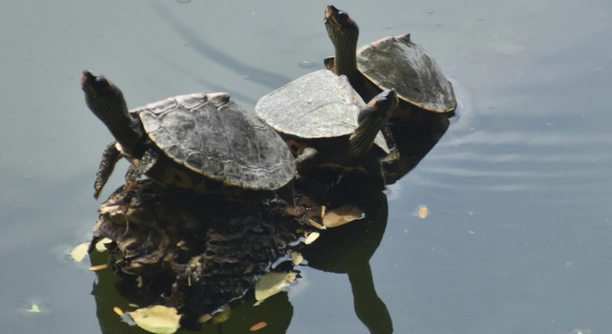
If you are a tortoise owner, you may often look for new ways to enrich your pet’s environment. Tortoises, particularly Indian Roofed Tortoises, enjoy activities that challenge them both mentally and physically.
Providing a variety of DIY toys and enrichment ideas can help your Indian Roofed Tortoise stay engaged and active. Simple activities like puzzles, hiding food, and creating outdoor spaces promote their well-being and mimic natural behaviors.
These ideas will help you create a stimulating environment for your tortoise. Keep reading to discover simple ways to enhance their daily routine and overall health.
Creating Natural Hiding Spots
Indian Roofed Tortoises are naturally curious creatures, and they thrive when they have places to explore and hide. You can easily create hiding spots by using materials you already have around the house. For example, large pieces of bark, overturned flower pots, or small wooden boxes can serve as shelters where your tortoise can retreat for privacy. These spots mimic natural environments, allowing your tortoise to feel secure. You can scatter them around their habitat to encourage exploration and promote physical activity. Hiding food in these spaces also adds an extra layer of stimulation, as your tortoise will need to search for it.
Adding hiding spots encourages your tortoise to use its instincts and stay active. This type of enrichment is not only fun but also essential for their mental health. Creating a mix of large and small hiding places helps cater to your tortoise’s different needs.
By adding a few simple hiding spots, you can offer a more engaging environment for your pet. Watch as they explore these new additions and enjoy the increased activity they encourage.
Puzzle Feeding
Puzzle feeders are a fantastic way to provide mental stimulation for your tortoise. They come in different designs that require your tortoise to work for its food. These feeders challenge their problem-solving skills, and many are adjustable to make the task easier or harder. You can even make your own puzzle feeder with a few basic materials, like a plastic container with holes or a wooden puzzle box. The goal is to make your tortoise think about how to get the food inside, which can help prevent boredom.
Using puzzle feeders can also encourage more natural foraging behavior. The effort your tortoise puts into retrieving its food mimics how it would search for food in the wild. The added challenge keeps your tortoise engaged and provides valuable mental exercise.
The benefits of puzzle feeding go beyond just nutrition. It helps your tortoise stay physically and mentally active, which is key to its overall well-being. You can rotate different types of puzzle feeders to keep things interesting.
Outdoor Exploration Areas
Setting up a safe outdoor exploration area is an excellent way to enrich your tortoise’s life. You can create a small fenced-off space where they can roam freely and explore different textures and surfaces. This allows them to experience natural sunlight, which is crucial for their health.
The outdoor area should be secure to prevent any potential escape, as tortoises are excellent at finding gaps. Make sure the ground is soft, with access to grass, dirt, and safe plants for grazing. Adding rocks, logs, or shallow water areas will also provide more variety.
A well-planned outdoor space gives your tortoise the opportunity to engage in natural behaviors like burrowing, climbing, or basking in the sun. It also adds physical activity, which is beneficial for their overall health. These outdoor excursions can help break up their routine and offer mental stimulation through new experiences.
Digging Boxes
Digging is an instinctive behavior for tortoises, and providing a designated digging box can be a great enrichment idea. Simply fill a shallow container with soft, damp sand or dirt, and watch your tortoise happily dig through it. This encourages natural behaviors and helps maintain healthy claws.
To make the digging box even more exciting, you can hide small treats like leafy greens or bits of fruit in the soil. This way, your tortoise will have to dig around to find the food, turning the activity into a fun challenge. It also adds variety to their diet.
Including a digging box in their habitat is an easy way to introduce a new activity. The tactile experience of digging provides mental and physical stimulation. It’s also a good way to prevent your tortoise from getting bored and allows them to express their natural instincts.
Enrichment through Live Plants
Including live plants in your tortoise’s habitat offers both food and mental stimulation. Tortoises can graze on safe plants like dandelions or clover, providing them with a natural food source. It’s a great way to encourage foraging.
The variety of textures and scents from plants also adds sensory stimulation. Plants that grow within their reach allow your tortoise to interact with them, making the habitat feel more like their natural environment. Be sure to research the safety of any plants you add.
Rock Climbing Areas
Creating small rock climbing areas offers physical exercise and enriches your tortoise’s space. Using safe, non-toxic rocks of various sizes encourages climbing, which helps strengthen their muscles and provides a fun challenge.
Tortoises may naturally start exploring rock piles, and providing a variety of sizes helps keep it interesting. These climbing areas offer mental stimulation as your tortoise figures out how to navigate the different obstacles. It’s a simple, low-cost way to improve their environment.
FAQ
How can I create a safe outdoor area for my tortoise?
To create a safe outdoor area, ensure the space is fully enclosed with secure fencing to prevent escapes. Choose a flat area with grass or soft soil, free of harmful plants. Adding rocks or logs will provide climbing opportunities, and shallow water areas will keep your tortoise hydrated. Make sure the area gets sunlight but also has shaded spots to regulate temperature. Regularly check for potential hazards like sharp objects or toxic plants.
Can I use any plants in my tortoise’s habitat?
Not all plants are safe for tortoises. Stick to non-toxic, tortoise-friendly plants like dandelions, clover, and certain grasses. Avoid plants like ivy, daffodils, and poinsettias, as these can be harmful. Always check the safety of any plant before introducing it into their habitat. Providing edible plants not only enhances their diet but also stimulates natural foraging behavior.
How often should I change my tortoise’s environment?
Changing your tortoise’s environment regularly helps prevent boredom and encourages them to stay active. You can rotate toys, add new hiding spots, or change the layout of their habitat every few weeks. Additionally, offering new enrichment activities like puzzle feeders or different plants helps keep their environment fresh and stimulating.
Are there any toys specifically for tortoises?
Yes, there are toys designed for tortoises that encourage natural behaviors. Puzzle feeders, small ramps, and climbing toys are great options. You can also make DIY toys using items like cardboard tubes or natural wooden sticks. These toys engage your tortoise’s curiosity and encourage problem-solving, helping to improve both their mental and physical health.
Is it necessary to provide a digging area for my tortoise?
Tortoises enjoy digging as part of their natural behavior. Providing a digging area, like a sand or soil box, mimics this instinct and gives them a space to express natural digging behaviors. It also helps with their claw maintenance. If you can, make the digging area large enough for them to move around freely.
How do I know if my tortoise is getting enough exercise?
Tortoises should have enough space to roam and explore. If your tortoise is active, moving around its enclosure, and exploring different areas, it is likely getting enough exercise. If you notice that your tortoise seems inactive or spends most of its time in one spot, it may be a sign that their environment needs more enrichment or space.
Can I provide my tortoise with water in the enclosure?
Yes, it’s important to provide clean, fresh water at all times. Some tortoises prefer shallow water dishes, while others may enjoy soaking in a larger shallow container. Ensure the water is changed daily to keep it clean. Regular water access helps with hydration and also provides a space for your tortoise to soak, which is beneficial for their skin and overall health.
How can I make my tortoise’s habitat more interactive?
To make your tortoise’s habitat more interactive, add different textures, such as logs, rocks, and plants. Use puzzle feeders that require them to work for food. You can also introduce items like tunnels or ramps to encourage climbing and burrowing. Rotating toys or adding new items regularly keeps their environment interesting and engaging.
What should I do if my tortoise isn’t eating?
If your tortoise isn’t eating, check the temperature and humidity levels in their environment first. Tortoises often stop eating if they are too cold or stressed. Ensure that their habitat is properly set up with appropriate temperatures. If the issue persists, consider consulting a veterinarian to rule out any health issues. Sometimes, offering a variety of fresh foods can entice them to eat.
How can I encourage my tortoise to use a basking area?
To encourage your tortoise to use a basking area, ensure it’s placed in a warm, dry spot with a proper heat source. The temperature should be around 85–90°F (29–32°C) during the day. If the basking area is comfortable and positioned correctly, your tortoise will naturally seek out the warmth. You can also place some of their favorite foods near the basking area to encourage them to spend more time there.
Can tortoises be kept with other pets?
Tortoises can usually live alone in their own habitat. If you are considering housing a tortoise with other pets, such as other reptiles or animals, it’s important to carefully research compatibility. Many tortoises can be territorial and may not interact well with other species. It’s best to monitor their behavior closely if they are housed together and ensure there is enough space for each animal.
Final Thoughts
Creating an enriching environment for your Indian Roofed Tortoise can significantly improve its quality of life. By adding simple elements such as plants, rocks, and climbing areas, you can encourage natural behaviors like foraging, climbing, and digging. These activities not only provide mental stimulation but also help keep your tortoise physically active. Regular changes to their environment, like rotating toys or adding new plants, will keep them engaged and prevent boredom.
While it’s important to focus on enrichment, don’t forget that the basic needs of your tortoise must always be met. Proper temperature control, clean water, and a balanced diet are essential for their health and well-being. Be mindful of the specific requirements of Indian Roofed Tortoises, as they are unique in their needs compared to other species. A safe, comfortable, and stimulating environment can contribute to a long, healthy life for your pet.
Ultimately, the key to a happy tortoise is consistency and observation. Regularly check their habitat to ensure that they are active, healthy, and not showing signs of stress. Small adjustments to their space can have a big impact, and paying attention to their natural behaviors will help you provide the best possible care. By offering variety and stimulating activities, you’ll ensure that your tortoise leads a fulfilling and enriching life.

Hello,
If you enjoy the content that we create, please consider saying a "Thank You!" by leaving a tip.
Every little bit helps us continue crafting quality advice that supports the health, happiness, and well-being of pets around the world, for pets of all shapes, sizes, and species.
We really appreciate the kindness and support that you show us!