
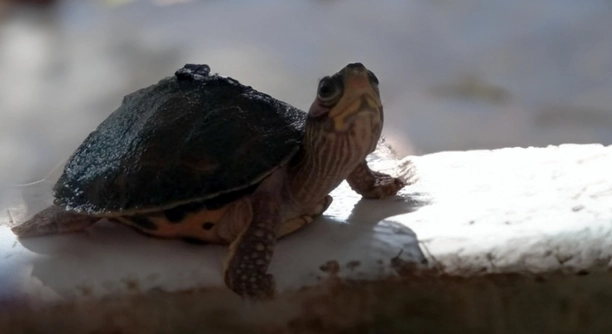
If your Indian roofed tortoise refuses to go in water, it can be concerning. Tortoises are known to enjoy water, but when they avoid it, there could be multiple reasons behind their reluctance.
Indian roofed tortoises may refuse water due to stress, health issues, or improper environmental conditions. It is essential to ensure they have a suitable water source, a comfortable environment, and are not experiencing any underlying health problems that may affect their behavior.
Understanding these factors will help create a more comfortable environment for your tortoise and address the issues causing this behavior.
Environmental Stress
Stress can play a significant role in why your tortoise avoids the water. Indian roofed tortoises are sensitive to their surroundings, and any changes in their environment could cause discomfort. Factors like loud noises, unfamiliar scents, or sudden changes in temperature can affect their behavior. If they feel unsafe or threatened, they may shy away from water altogether.
Sometimes, the tank or enclosure itself could be stressful. Ensure that the habitat is quiet, stable, and free from disturbances. Make sure the lighting is appropriate, and the temperature is consistent. Any drastic fluctuations might make them hesitant to enter water. Additionally, if the water temperature is too cold or too hot, they might not feel comfortable.
A calm, secure environment will encourage your tortoise to approach the water more confidently. If the conditions are right, your tortoise will likely show interest in bathing once it feels safe in its space.
Health Issues
Health problems can also cause a refusal to enter water. If your tortoise is ill or in pain, it may avoid water for comfort. For example, respiratory infections, shell problems, or digestive issues can make water seem unappealing. Always monitor your tortoise for signs of health problems, such as lethargy or abnormal behavior.
In some cases, the reluctance to get wet may be related to mobility issues or discomfort caused by an injury. If your tortoise has difficulty moving around or feels weak, it may not want to move towards the water. If the refusal continues, consider having a vet check for any potential health concerns.
A thorough check-up with a vet is essential for diagnosing and treating underlying conditions that might be causing your tortoise to avoid water.
Unfamiliar or Improper Water Setup
The setup of your tortoise’s water area matters. If your Indian roofed tortoise is unfamiliar with the water setup or the space is not suitable for them, they might avoid it altogether. Tortoises need shallow, clean water that they can easily walk into, not deep or murky water. If the water is too deep, they may feel insecure about entering. They prefer a gradual incline, allowing them to safely move in and out as needed.
Make sure the water container is large enough for your tortoise to move comfortably without feeling trapped. It should be cleaned regularly to prevent any build-up of bacteria, which could discourage your tortoise from entering. Also, try adding a small ramp to help them easily access the water.
A clean, appropriate water area will not only keep your tortoise hydrated but also make it a more inviting place for them. Keeping the water shallow and easily accessible is essential for their comfort and health.
Temperature and Humidity Levels
Your tortoise may avoid water if the temperature and humidity levels in their habitat are not optimal. Indian roofed tortoises prefer a warm and humid environment. If the water is too cold or the air is too dry, they might avoid it. Maintaining the correct temperature is vital for their health and well-being.
Ensure that the basking area is warm enough, typically between 85°F and 90°F, and the cooler area is around 75°F. For humidity, a range of 60-70% is ideal. If the air is too dry or too humid, your tortoise may avoid entering water, as it may feel uncomfortable.
Monitoring the temperature and humidity levels closely will help ensure that your tortoise is comfortable. If the conditions are correct, your tortoise will be more likely to use the water area. Adjust the habitat regularly to avoid discomfort.
Diet and Hydration
A lack of proper hydration could also be a reason for your tortoise’s avoidance of water. Sometimes, Indian roofed tortoises may be getting their hydration from food rather than drinking directly from water. Tortoises enjoy fruits and leafy greens, which can provide moisture.
However, it’s important to ensure your tortoise is drinking water regularly. If you notice your tortoise is avoiding water, you may need to adjust their diet or increase the moisture in their food. You can also try offering water in a different type of container or location to encourage drinking.
Incorporating moisture-rich foods into their diet can also help keep them hydrated. It’s vital to offer water alongside fresh vegetables and fruits to maintain a healthy balance for your tortoise.
Overcrowded Enclosure
An overcrowded enclosure can cause stress, making your tortoise hesitant to enter water. If there are too many items or other animals in the tank, your tortoise may feel overwhelmed and avoid using the water.
Providing enough space for your tortoise to move freely is essential for their comfort. They need areas for both basking and soaking. Ensure the enclosure is large enough to accommodate their needs without overcrowding.
Lack of Proper Enrichment
Indian roofed tortoises need mental stimulation to thrive. Without proper enrichment, they can become stressed and may avoid water. Enrichment activities, like hiding spots and climbing structures, can help keep them engaged.
By offering a variety of enrichment, you create a healthier, more stimulating environment. This will encourage your tortoise to explore and use its water area more often.
Water Cleanliness
Dirty water can deter your tortoise from entering it. If the water is not cleaned regularly, it may accumulate waste or bacteria, making it an unappealing place. Tortoises are sensitive to their surroundings and will avoid water that is not clean.
Ensure the water is changed regularly, and any debris is removed. Keeping the water clean is essential for encouraging your tortoise to use it. A water filtration system can also help keep the water fresh for longer periods.
FAQ
Why is my tortoise not drinking water?
Tortoises may not drink water directly if they are getting enough moisture from their food. They often get hydration from fruits, vegetables, and leafy greens. However, if your tortoise is consistently avoiding water, it could indicate an issue with the water’s temperature, cleanliness, or the overall environment. Check if the water is too cold, dirty, or if the humidity in the enclosure is not suitable. Sometimes, tortoises avoid water when the conditions aren’t optimal for them.
Should I be worried if my tortoise refuses to enter the water?
It’s important to observe the overall behavior of your tortoise. If it’s avoiding water but seems healthy, it may simply be a preference or discomfort related to the environment. However, if the refusal is accompanied by other signs of illness or stress, such as lethargy, weight loss, or abnormal behavior, it might be time to consult with a vet. In many cases, a tortoise refusing to enter water may just need adjustments to its habitat.
Can the water temperature affect my tortoise’s behavior?
Yes, water temperature plays a big role in your tortoise’s comfort. Indian roofed tortoises require water that is warm, typically between 75°F and 85°F. If the water is too cold, your tortoise may avoid it. You can use a water heater to maintain the proper temperature. Cold water can lead to discomfort, and in some cases, it can even cause health issues, making the tortoise reluctant to enter.
How often should I clean the water for my tortoise?
It is essential to keep your tortoise’s water clean. Regular cleaning is necessary to remove debris, waste, and prevent bacterial growth. If your tortoise is in a small enclosure or water container, cleaning it every day or every other day is recommended. In larger setups with proper filtration, you can clean the water once a week, but always ensure there’s no visible dirt or algae. Dirty water can discourage your tortoise from soaking or drinking.
What should the humidity level be for my tortoise?
Indian roofed tortoises thrive in a humid environment. Ideally, the humidity in their enclosure should range between 60% and 70%. If the humidity is too low, your tortoise may feel uncomfortable and avoid water. To maintain the right humidity, you can use a hygrometer to monitor the levels and adjust the enclosure with water bowls, misting, or a humidity system. Proper humidity helps your tortoise maintain hydration and skin health.
Is it normal for my tortoise to be hesitant around water?
Tortoises can sometimes be cautious around water, especially if they haven’t been exposed to it regularly. It’s not unusual for them to hesitate, but with time and proper conditions, most tortoises will grow accustomed to water. Gradually introducing water in a shallow, clean area can help them adjust. If the hesitation continues, check the water’s temperature, cleanliness, and overall environment to ensure it is ideal for your tortoise.
How can I make the water area more inviting for my tortoise?
To encourage your tortoise to use the water area, make sure it’s easily accessible and shallow enough for them to enter without difficulty. You can use a small ramp to help them enter the water more comfortably. Ensure the water is clean, warm, and free from chemicals. Also, providing a quiet, stress-free environment without disturbances will encourage your tortoise to feel more secure in using the water.
Can I use a shallow dish of water for my tortoise?
Yes, a shallow dish of water can work well for your tortoise as long as it’s large enough for them to comfortably soak. The water should be deep enough to cover their legs but not so deep that it causes them to feel unsafe. A shallow, wide dish will encourage your tortoise to enter and soak, as they tend to avoid deep water areas. Always ensure the dish is cleaned regularly.
What if my tortoise is spending too much time in the water?
Spending too much time in water can be a sign of a problem, like an underlying health issue, or improper environmental conditions. If your tortoise is soaking excessively, it could be a sign of skin irritation or dehydration. Ensure that the water temperature is appropriate, and your tortoise’s habitat has a proper balance of warmth and humidity. If you notice any other symptoms like abnormal behavior or signs of illness, contact a vet for advice.
How do I know if my tortoise is dehydrated?
Signs of dehydration in tortoises include sunken eyes, dry skin, and a lack of appetite. If you suspect dehydration, offering fresh water and moistening your tortoise’s food with water may help. Dehydration can cause your tortoise to avoid water, so it’s crucial to maintain hydration by ensuring both water and food provide enough moisture. If dehydration persists, consult with a vet for proper treatment.
Final Thoughts
Understanding why your Indian Roofed Tortoise refuses to go in water requires careful observation of its environment and health. Many factors could contribute to this behavior, including water temperature, cleanliness, or the enclosure’s overall setup. By maintaining the right water temperature, cleaning the water regularly, and ensuring the space is comfortable and stress-free, you can encourage your tortoise to feel more at ease in its environment. Tortoises need both water for hydration and a safe, suitable space to live, so proper care is essential for their well-being.
It’s important to keep in mind that tortoises are creatures of habit, and it might take time for them to adjust to new routines. Introducing water slowly and making sure the conditions are ideal will help your tortoise feel more comfortable. Avoid forcing your tortoise into the water, as this could increase stress and make the issue worse. Instead, focus on creating a calm, inviting space with clean water, the right temperature, and proper humidity. Over time, your tortoise will become accustomed to the water and may start using it more frequently.
Ultimately, the key to helping your tortoise is consistency and patience. If you notice any signs of illness or extreme behavior changes, it’s best to consult a veterinarian. Regular health checks and attention to the habitat will ensure that your tortoise remains healthy and happy. With the right approach, you can support your tortoise in overcoming its reluctance to enter water and enjoy a healthier, more comfortable life.

Hello,
If you enjoy the content that we create, please consider saying a "Thank You!" by leaving a tip.
Every little bit helps us continue crafting quality advice that supports the health, happiness, and well-being of pets around the world, for pets of all shapes, sizes, and species.
We really appreciate the kindness and support that you show us!