
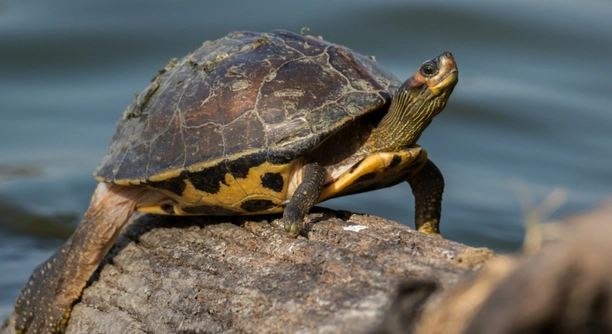
Building a bond with your Indian Roofed Tortoise can be a rewarding experience. With patience and care, you can create a strong connection with your pet, improving their quality of life and your enjoyment.
To bond with your Indian Roofed Tortoise, spend consistent time with them, offering food, gentle handling, and a suitable environment. This helps build trust and allows your tortoise to recognize you as a source of comfort and safety.
With a few simple strategies, you can encourage positive interactions and create a peaceful relationship. Understanding your tortoise’s needs and behaviors will help make your bond stronger and more enjoyable.
Create a Comfortable Habitat
The first step to bonding with your Indian Roofed Tortoise is providing a comfortable, stress-free habitat. Your tortoise needs a safe, secure environment that mimics its natural surroundings as much as possible. A well-maintained enclosure with enough space for movement will make your tortoise feel safe. Consider adding hiding spots like rocks or small caves to give them a sense of security. The temperature should be regulated, ensuring it has both warm and cooler areas. Proper lighting, including UVB lighting, is essential for your tortoise’s health and overall well-being.
The right habitat helps foster trust. Your tortoise will feel less stressed and more willing to interact. A comfortable home also supports healthy behavior, making it easier to form a connection.
Don’t forget to clean the enclosure regularly. A clean space prevents health issues and keeps your tortoise comfortable. With a suitable home, your tortoise will feel more at ease and open to interaction, which is the foundation for bonding.
Offer Healthy Food
Your tortoise’s diet plays a big role in bonding. Offering fresh, healthy food builds trust and makes interactions more enjoyable.
Feeding time is an opportunity to engage. Tortoises enjoy eating fresh greens, vegetables, and some fruits. Try offering a variety to see what they prefer. Over time, your tortoise will associate you with positive experiences like feeding and may become more open to spending time with you.
Handle Your Tortoise Gently
Handling your Indian Roofed Tortoise gently is crucial for building trust. It’s important to be calm and slow when picking them up.
Start by letting your tortoise get used to your presence. Place your hand near them, and if they seem comfortable, gently lift them. Always support their body fully. Avoid sudden movements that might startle them. Over time, your tortoise will associate your hands with safety and care, helping to strengthen the bond between you. Keep handling sessions short at first, and let your tortoise decide if they want more interaction.
Never force your tortoise to be handled if they seem stressed. Let them explore their space independently. Gradually increase the handling time as they become more relaxed around you. With consistent and gentle handling, your tortoise will feel secure in your presence, making bonding easier.
Create a Routine
Tortoises thrive on routine. A consistent schedule for feeding, handling, and cleaning helps them feel more secure.
By keeping things predictable, your tortoise will come to expect positive experiences with you, such as feeding times or time outside of their enclosure. A regular routine helps your tortoise feel less anxious and more open to interactions. Over time, your tortoise will learn when to expect attention, which fosters trust and makes bonding much smoother.
Being consistent in your actions will teach your tortoise that you’re a reliable and caring presence. Regular schedules for care tasks will allow you to better understand their behaviors, making it easier to connect and bond in meaningful ways.
Let Your Tortoise Explore
Allowing your Indian Roofed Tortoise to explore outside of its enclosure can help develop trust. This gives them a chance to explore in a safe, controlled environment.
Set up a safe, tortoise-friendly area, and let your pet wander around. This freedom will make your tortoise more comfortable in its environment. Always supervise the exploration time to keep them safe. Allowing them to move at their own pace helps build confidence.
A few minutes of supervised exploration can make a big difference in how your tortoise views you. By offering new spaces for exploration, your tortoise will feel less confined and more at ease with you.
Use Positive Reinforcement
Positive reinforcement is effective in building a bond with your tortoise. Rewarding good behavior with food or gentle handling helps establish a connection.
Each time your tortoise displays calm behavior, like not hiding or remaining relaxed during handling, offer a small treat or extra time outside the enclosure. This teaches them that interaction with you brings positive rewards, encouraging them to trust you more. It’s a simple and effective way to strengthen the bond over time.
Watch for Signs of Stress
It’s important to watch for signs of stress to avoid overwhelming your tortoise. When stressed, they may hide or become less active.
If your tortoise seems withdrawn or avoids interactions, it may be a sign that they need some time to relax. Pay attention to their behavior and try to understand what makes them comfortable. Allow them to have quiet time when needed to reduce stress. Understanding your tortoise’s limits is key to building a trusting relationship.
FAQ
How can I tell if my Indian Roofed Tortoise is comfortable with me?
Your tortoise will show signs of comfort when they move freely around you and aren’t trying to escape or hide. They may become more relaxed during feeding or handling sessions, staying calm in your presence. Over time, you’ll notice they approach you willingly or seek out your company. If your tortoise becomes active and alert when you enter the room, that’s another sign they’ve started recognizing and trusting you.
How often should I handle my Indian Roofed Tortoise?
Handling should be done gradually and not too often in the beginning. Start with short sessions of 5-10 minutes a few times a week. Over time, as your tortoise becomes more comfortable, you can extend the handling time. It’s important not to overdo it, as too much handling can stress them out. Let your tortoise decide when they want more interaction.
What is the best way to feed my Indian Roofed Tortoise to help build trust?
To build trust, feed your tortoise regularly at the same time each day. Offering food by hand can help create a positive connection. Make sure to offer a variety of food, such as leafy greens, vegetables, and occasional fruits. Keep the feeding process calm and relaxed to avoid startling your tortoise. Also, avoid putting food near their shelter, as it may stress them if they associate their safe space with feeding.
Can I take my Indian Roofed Tortoise outside?
Yes, you can take your tortoise outside, but always do so under supervision. Make sure the area is secure and free of predators or hazards. Choose a calm, sunny day for outdoor time and ensure the temperature is within your tortoise’s preferred range. Outdoor exploration helps provide enrichment and gives them a chance to explore new spaces. Never leave them outside unsupervised, and always bring them back to their secure enclosure after a short period.
What should I do if my Indian Roofed Tortoise seems stressed?
If your tortoise shows signs of stress, such as hiding, moving erratically, or not eating, try to reduce interactions for a short time. Make sure their habitat is suitable, with the right temperatures, lighting, and hiding spots. Stress can also be caused by loud noises or sudden changes in their environment. Give them some quiet time to adjust. Gradually reintroduce handling, but take things slower and let your tortoise set the pace.
How long does it take to bond with an Indian Roofed Tortoise?
Bonding with your tortoise is a gradual process and can take several weeks to months. Tortoises are naturally more independent, so they don’t form bonds as quickly as other pets. Consistency, patience, and a calm environment are key factors in helping your tortoise feel comfortable. Be patient and respect their space while still offering positive interactions. Over time, your tortoise will come to trust you more.
Can I train my Indian Roofed Tortoise?
While you can’t train your tortoise like a dog, they can learn certain behaviors over time with positive reinforcement. For example, they can learn to associate certain actions, like coming to you for food, with a reward. Consistent, gentle handling can also help them feel more comfortable with you. However, remember that tortoises have their own pace, and patience is essential for any form of training.
How can I ensure my Indian Roofed Tortoise stays healthy?
To ensure your tortoise stays healthy, provide a proper diet rich in fiber, calcium, and vitamins. Make sure the enclosure is large enough for them to roam, with proper lighting and heating to mimic their natural habitat. Clean their enclosure regularly and ensure they have access to fresh water at all times. Regularly check for signs of illness, such as lack of appetite or lethargy, and consult a vet if you have any concerns.
Can I keep multiple Indian Roofed Tortoises together?
It’s not recommended to house multiple tortoises together, especially if they have not been raised together. Tortoises are solitary creatures and may become territorial, leading to stress or aggression. If you do choose to house more than one tortoise, ensure the enclosure is large enough for each to have its own space. Monitor their behavior closely to prevent any conflicts.
What is the best way to clean my Indian Roofed Tortoise’s enclosure?
Regular cleaning is essential to keep your tortoise’s habitat healthy. Remove uneaten food daily, and clean the water dish. Every week, do a thorough cleaning of the entire enclosure, including the substrate, walls, and any decorations. Use a mild, tortoise-safe disinfectant to clean surfaces, and rinse everything thoroughly before putting it back in the enclosure. Make sure the area is dry to prevent mold or bacteria growth.
Should I provide a hiding spot for my Indian Roofed Tortoise?
Yes, providing a hiding spot is essential. Indian Roofed Tortoises enjoy having a safe space to retreat when they feel stressed or need rest. A small cave or box in the enclosure works well. It allows them to feel secure and gives them a place to relax, which helps reduce anxiety and creates a more comfortable environment.
Final Thoughts
Bonding with an Indian Roofed Tortoise requires patience and consistency. These tortoises may not seek out constant interaction, but with time, they can learn to trust you. The most important thing is to respect their space and let them adjust to you at their own pace. By creating a comfortable habitat, providing regular food, and offering gentle handling, you can start to build a positive relationship with your tortoise. Over time, your tortoise will feel more at ease with you and might even seek out your presence.
It’s also essential to keep in mind that every tortoise is different. Some may be more social and enjoy human interaction, while others might prefer solitude. Understanding your tortoise’s unique behavior and needs will help you know when to engage and when to give them space. Don’t rush the bonding process. Focus on providing a safe and comfortable environment, and your tortoise will gradually become more familiar with you. Respecting their natural tendencies and allowing them to take the lead can make all the difference in developing a strong connection.
Lastly, the bond you form with your Indian Roofed Tortoise is a gradual process. It’s not about forcing interactions but about building trust over time. By being consistent with your care, offering them a healthy environment, and handling them gently, you are laying the foundation for a positive relationship. With patience and attention, you’ll be able to connect with your tortoise in a meaningful way that benefits both of you in the long run.

Hello,
If you enjoy the content that we create, please consider saying a "Thank You!" by leaving a tip.
Every little bit helps us continue crafting quality advice that supports the health, happiness, and well-being of pets around the world, for pets of all shapes, sizes, and species.
We really appreciate the kindness and support that you show us!