
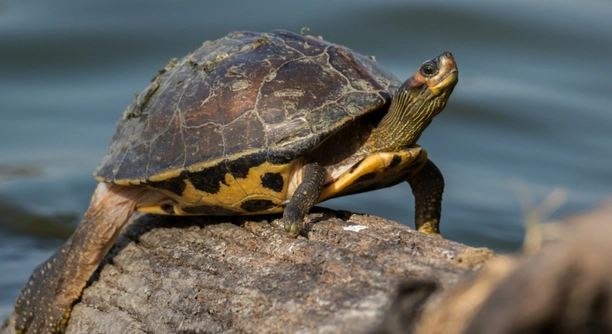
Indian Roofed Tortoises are wonderful pets, but they are vulnerable to shell rot, which can cause serious health issues. Keeping their shells healthy requires careful attention and care. Learning how to prevent this condition is essential for any tortoise owner.
Preventing shell rot in Indian Roofed Tortoises requires maintaining a clean and dry habitat, providing proper diet, and ensuring regular check-ups. A balanced environment with sufficient UVB light, humidity control, and proper hygiene are key factors in prevention.
With these preventive steps, you can protect your tortoise from the harmful effects of shell rot. Maintaining a healthy shell is vital to your pet’s overall well-being.
Proper Habitat Conditions
Creating the right environment for your Indian Roofed Tortoise is essential in preventing shell rot. A clean and dry living space will reduce the risk of bacteria and fungus that can thrive in wet conditions. A properly ventilated enclosure helps keep the humidity levels in check and prevents moisture buildup that leads to shell rot. Ensure there is enough space for your tortoise to move around and bask under a UVB light, which is vital for their overall health.
Keeping their enclosure clean is crucial for avoiding infections. You should clean the habitat regularly and remove any waste immediately to reduce exposure to harmful pathogens. A dry environment with a proper temperature range, around 80 to 85°F during the day and slightly cooler at night, will mimic natural conditions and help keep your tortoise healthy.
Shell rot thrives in damp and unhygienic environments, so daily checks and maintenance of the enclosure are essential. The substrate should be dry, and any water should be kept separate from where they rest to avoid prolonged wetness. By ensuring proper care, you can significantly lower the chances of shell rot affecting your tortoise.
Balanced Diet
A healthy diet plays a vital role in preventing shell rot. Proper nutrition strengthens the tortoise’s immune system, helping it fight off infections.
Feeding your tortoise a variety of leafy greens, flowers, and grasses ensures they receive the necessary vitamins and minerals. Offering calcium-rich foods like dandelion greens can support shell health, as a strong shell is better equipped to resist damage. Avoid overfeeding high-protein foods, as it can cause imbalances and affect overall health. Regularly providing fresh food also helps keep your tortoise hydrated, reducing the risk of dehydration, which can contribute to shell issues.
Regular Check-ups
Taking your tortoise for regular veterinary check-ups is essential for spotting any early signs of shell rot. A professional can detect small issues before they become larger problems. Routine visits also allow you to learn more about proper care for your tortoise.
During these check-ups, the vet will thoroughly examine the shell and skin for any changes in texture or color. They will assess overall health and ensure that there are no signs of infection or damage. Early intervention can prevent serious health issues, including shell rot.
If your tortoise shows any signs of shell discoloration, soft spots, or unusual growths, don’t wait for the next check-up. Getting it looked at immediately will help avoid long-term complications. Catching problems early is always the best way to protect your tortoise’s health and well-being.
Hygiene Practices
Maintaining proper hygiene in your tortoise’s living environment is crucial for preventing shell rot. Regular cleaning of the habitat and accessories helps eliminate harmful bacteria and fungi.
It’s important to regularly wash water bowls, food dishes, and any other items your tortoise comes into contact with. Clean them with non-toxic cleaners to avoid harming your pet. Also, make sure to disinfect surfaces and replace bedding as needed. A clean enclosure reduces the risk of infections that could damage your tortoise’s shell, keeping them healthy and safe.
Maintaining a good hygiene routine also includes making sure your tortoise’s shell stays clean. Gently scrub it with a soft brush to remove dirt, debris, and any growth that could contribute to infection. A clean shell will be better protected from external threats.
UVB Lighting
Proper UVB lighting is necessary for your tortoise’s shell and overall health. It helps them absorb calcium, which is crucial for shell development. Without sufficient UVB exposure, your tortoise can develop weak bones and shells, increasing the risk of rot.
A UVB light should be placed at the correct distance from your tortoise, usually within 12 to 18 inches, depending on the type of bulb. The light should be on for about 10 to 12 hours a day. Make sure to replace the bulb every six months, as UVB output decreases over time.
Shell Moisture Control
Controlling the moisture level around your tortoise is vital in preventing shell rot. Too much moisture can soften the shell, making it more vulnerable to infections. Make sure your tortoise has a dry space to rest and bask.
Humidity should be maintained at a moderate level to avoid creating a damp environment. Ensure there’s a dry area for your tortoise to escape any excess moisture. Too much wetness increases the likelihood of developing shell rot, especially in warmer temperatures.
FAQ
What are the signs of shell rot in Indian Roofed Tortoises?
Shell rot in Indian Roofed Tortoises typically shows up as soft spots, discoloration, or foul smells coming from the shell. You might notice the shell becoming spongy, flaky, or even developing a greenish or yellowish tint. If the rot spreads, it could lead to open wounds or an overall weakened shell. It’s essential to catch these early signs to prevent severe damage.
How can I treat shell rot in my tortoise?
If you suspect your tortoise has shell rot, it’s important to take it to the vet for a proper diagnosis. Treatment often includes cleaning the affected area, applying topical medications, and sometimes soaking the shell in disinfectant solutions. The vet may also recommend antibiotics or antifungal treatments if there’s a bacterial or fungal infection. Do not attempt to treat it without professional guidance, as improper care could worsen the condition.
Can shell rot be prevented?
Yes, shell rot can be prevented by maintaining a clean, dry habitat and providing proper care. Ensure your tortoise’s enclosure is kept dry, with the right balance of temperature and humidity. Regularly clean the habitat, provide a proper diet with enough calcium, and ensure your tortoise gets adequate UVB lighting. Regular check-ups with a vet can also catch any issues early.
Is shell rot contagious?
Shell rot is not contagious in the way a virus might be. However, bacteria or fungi that cause shell rot can spread if the environment is not kept clean. If you have multiple tortoises, it’s important to maintain hygiene to reduce the risk of infections spreading among them.
How often should I clean my tortoise’s enclosure to prevent shell rot?
You should clean your tortoise’s enclosure at least once a week, removing any waste and spot-cleaning daily. Ensure all surfaces, including food and water bowls, are sanitized regularly. You may need to clean the enclosure more frequently depending on the tortoise’s activity level and how much waste is produced. A clean habitat reduces the buildup of harmful bacteria, preventing infections that can lead to shell rot.
What temperature is best for preventing shell rot?
Maintaining the right temperature in your tortoise’s enclosure is essential for its overall health and for preventing shell rot. Daytime temperatures should be between 80°F to 85°F, with a basking area reaching around 90°F to 95°F. At night, the temperature can drop to around 70°F to 75°F. Extreme temperatures, either too hot or too cold, can stress your tortoise and increase the risk of infections.
Should I be worried if my tortoise has minor shell damage?
Minor shell damage may not always indicate shell rot, but it should still be addressed. It’s essential to keep the area clean and monitor it for any signs of infection or worsening damage. If the damage does not heal or you see any signs of rot, consult a vet. Small cuts or scratches can sometimes lead to infections if not cared for properly.
Can humidity cause shell rot in Indian Roofed Tortoises?
Excess humidity can contribute to shell rot if it causes the shell to remain damp for extended periods. It’s important to maintain moderate humidity levels. While some humidity is necessary for your tortoise’s health, too much moisture can soften the shell and create an environment for bacterial and fungal growth. Make sure your tortoise’s living area has a dry space where it can rest and bask.
Is it normal for my tortoise’s shell to shed or flake?
Yes, it’s normal for a tortoise’s shell to shed or flake as it grows. This process, known as ecdysis, allows your tortoise to grow a new, healthy layer of shell underneath. However, if the shedding is accompanied by signs of infection, such as foul odor, redness, or soft areas, it could indicate shell rot and should be checked by a vet.
Can I use over-the-counter treatments for shell rot?
Over-the-counter treatments are not recommended for shell rot without professional advice. While some general antiseptic products may help, they are not enough to fully treat the condition and could make things worse if not used properly. Always consult a vet before applying any treatment to ensure your tortoise receives the correct care.
How long does it take for shell rot to heal?
The healing time for shell rot depends on the severity of the condition and how quickly it is treated. Mild cases may take a few weeks to heal with proper care, while more severe cases can take several months. It’s important to follow the vet’s instructions for care, including medications and cleaning routines, to help speed up recovery.
Can my tortoise live with shell rot?
If left untreated, shell rot can cause severe health issues for your tortoise, including infection and organ failure. With prompt treatment, most tortoises recover from shell rot and return to normal health. However, neglecting the condition can lead to permanent damage or even death. Early intervention is key to a successful recovery.
How do I know if my tortoise’s shell is healthy?
A healthy shell should be hard, smooth, and evenly colored. Look for any signs of cracks, softness, or discoloration. The shell should not have any visible wounds, discharge, or foul odors. If the shell appears to be damaged or unhealthy, seek veterinary advice to address the issue promptly.
Final Thoughts
Taking care of your Indian Roofed Tortoise involves understanding and addressing their specific needs, especially when it comes to preventing shell rot. A clean, dry environment is crucial for their health, as this helps reduce the risk of infection and bacteria that can lead to shell rot. Regular cleaning of their enclosure and ensuring they have enough space to roam and bask will go a long way in keeping your tortoise healthy. Providing proper UVB lighting and ensuring a balanced diet with calcium will also help maintain a strong and healthy shell.
Regular vet check-ups are key to detecting potential issues early, including shell rot. A veterinarian can offer advice on maintaining your tortoise’s overall health and suggest treatments if shell rot or other health issues arise. It’s important to be proactive about their care and not wait until something goes wrong. Monitoring your tortoise’s behavior and physical condition regularly will help you catch any changes that may indicate the need for attention. Remember that prevention is always easier and more effective than treating an issue after it has developed.
By taking small, consistent steps to care for your tortoise, you can help prevent shell rot and ensure they live a long, healthy life. Providing a stable environment, proper nutrition, and regular veterinary care are all essential components of maintaining a healthy tortoise. Being mindful of their needs and paying attention to any early warning signs of shell rot can make a big difference in their overall well-being. With a bit of care and attention, your Indian Roofed Tortoise will thrive and enjoy a comfortable life in your home.

Hello,
If you enjoy the content that we create, please consider saying a "Thank You!" by leaving a tip.
Every little bit helps us continue crafting quality advice that supports the health, happiness, and well-being of pets around the world, for pets of all shapes, sizes, and species.
We really appreciate the kindness and support that you show us!