
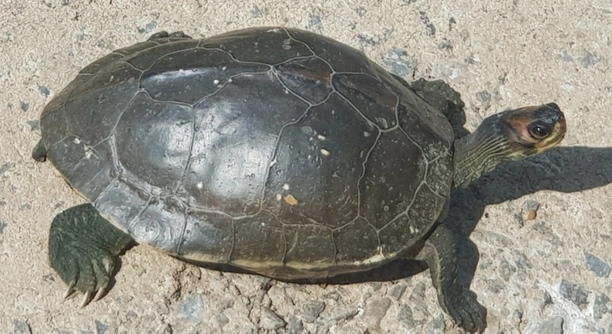
Indian Roofed Tortoises are known for their curious nature, often leaving owners wondering about their climbing abilities. These tortoises, despite being terrestrial, may surprise you with their climbing skills, especially when looking for a way to escape.
Indian Roofed Tortoises can climb, though they are not particularly adept climbers. Their ability to scale obstacles, such as low walls or fences, is influenced by their strength, determination, and environment. Taking precautions is essential to prevent escapes.
Understanding how they climb and how to manage their habitat effectively will help ensure your tortoise stays safe. Proper containment is key.
Why Do Indian Roofed Tortoises Climb?
Indian Roofed Tortoises are naturally inclined to climb when given the opportunity. Although they prefer flat surfaces for walking, their instincts drive them to explore and seek higher ground. In the wild, they may climb rocks or logs to gain better vantage points or to escape predators. In captivity, they often attempt to climb walls, fences, or any other objects that seem like a way out. Their curiosity and desire to explore can make them seem more agile than expected. Even though they are not particularly built for climbing, their strong legs and determination can help them scale surprisingly tall obstacles.
Understanding these behaviors is important when setting up an enclosure. By addressing the potential for climbing, you can create a safer and more secure environment for your tortoise. Ensuring your tortoise’s enclosure is adequately contained is the first step in preventing escape attempts. It’s essential to regularly inspect the enclosure and make adjustments if needed.
How Can You Prevent Climbing?
One effective way to prevent climbing is to raise the height of the enclosure. By ensuring the walls are tall enough, your tortoise will be less likely to attempt an escape. Additionally, smooth surfaces like plexiglass or plastic can deter climbing since they provide little traction.
If your tortoise continues to attempt climbing, it’s helpful to add more enrichment inside the enclosure. A variety of hiding spots, rocks, or logs can keep them busy and less focused on escaping. They are more likely to stay engaged if they feel safe and entertained. Furthermore, using a secure lid or roof for the enclosure can prevent them from climbing over entirely.
Choosing the Right Enclosure for Your Tortoise
The best way to contain your Indian Roofed Tortoise is by selecting the right type of enclosure. Avoid using fences with mesh or any material with gaps wide enough for your tortoise to slip through. An ideal enclosure would be made of solid materials, like wood or acrylic, that are tall enough to prevent climbing. The height should be at least 18 to 24 inches for adults, depending on the size of the tortoise.
It’s also important to consider the size of the enclosure in relation to your tortoise’s needs. Provide ample space for movement, food, water, and shelter. Larger enclosures offer more enrichment opportunities, reducing the likelihood of climbing as a form of escape. Regular monitoring of the enclosure’s security is essential to ensure it remains safe, especially as your tortoise grows.
Enclosure Design for Indian Roofed Tortoises
A well-designed enclosure is crucial for preventing climbing. The walls should be tall and smooth to discourage attempts at scaling. Avoid using materials like mesh, which offer too much traction. Instead, opt for smooth, solid surfaces such as acrylic or wood.
The placement of the enclosure also matters. Ensure it’s on a stable surface where your tortoise can’t easily push or knock over parts of the enclosure. A sturdy base prevents your tortoise from toppling objects or pushing against walls, which could lead to escape attempts. Reinforce any potential weak spots, such as corners or doors, to ensure maximum security.
Setting up the environment with enough space for your tortoise will help keep them from focusing on escape. Provide ample room to roam, hide, and bask. Enrichment elements like logs, rocks, and shelters will create a comfortable habitat and reduce the risk of climbing. The more they enjoy their space, the less likely they are to try to climb out.
Habitat Enrichment for Indian Roofed Tortoises
Habitat enrichment is key to a tortoise’s well-being. A well-structured environment that mimics their natural habitat will keep your tortoise engaged and happy. Introduce items like hiding places, small bushes, and rocks for climbing (but not escape). This gives them opportunities to explore, which can prevent them from focusing on climbing.
In addition to natural elements, consider providing digging areas. Tortoises enjoy burrowing, and this instinct can keep them busy for hours. Having a substrate like soil or coconut coir that allows digging will help prevent frustration and reduce the likelihood of escape attempts. It also ensures they get the mental stimulation they need.
Lighting and temperature regulation are also crucial aspects of habitat enrichment. Tortoises need a basking spot and a cooler area to regulate their body temperature. A well-lit enclosure with a heat source will ensure your tortoise remains healthy and comfortable.
Monitoring Your Tortoise’s Behavior
Keeping an eye on your tortoise’s behavior helps identify potential escape attempts early. Regularly observe if your tortoise is spending more time at the enclosure’s walls or attempting to climb. If this becomes a frequent habit, it’s a sign to modify the habitat or reinforce the enclosure.
Changes in behavior, such as increased activity near barriers or climbing attempts, often mean your tortoise is either bored or searching for a better environment. Act promptly to prevent escape, such as raising walls or adding more enrichment to keep them occupied and engaged.
Adjusting the Enclosure as Your Tortoise Grows
As your tortoise matures, the size of the enclosure needs to increase. Larger tortoises require more space to move around, and their strength can make them more capable of climbing. Ensure the enclosure is updated with taller walls and sturdier materials as your tortoise grows.
The added space should be carefully designed to promote natural behaviors like foraging and resting. If the enclosure is too small, your tortoise may become stressed, leading to climbing or escape attempts. Constantly reassessing your tortoise’s needs will help ensure a secure, comfortable living environment.
Using Covered Enclosures
Covered enclosures are an excellent option for preventing climbing escapes. By adding a secure roof or lid, you eliminate the risk of your tortoise climbing out. This also provides added protection against other animals or environmental factors that might disturb your tortoise.
A covered enclosure allows you to monitor the temperature more effectively and maintain better humidity control. It also provides additional security, particularly if you’re keeping the tortoise outdoors. Just make sure the lid is secure, well-ventilated, and large enough to allow for easy access and maintenance.
FAQ
Can Indian Roofed Tortoises climb fences?
Yes, Indian Roofed Tortoises can climb fences if they are low enough or have enough texture to grip onto. While they are not natural climbers like some species, their determination can drive them to scale low walls or barriers. If you see your tortoise attempting to climb, it’s a sign to increase the height or modify the material of the barrier. Smooth, solid walls without gaps or rough surfaces are ideal for containing them.
How tall should the fence be for an Indian Roofed Tortoise enclosure?
The fence should be at least 18 to 24 inches tall for adult Indian Roofed Tortoises. This height ensures they can’t easily climb over. Keep in mind that younger tortoises may be able to scale lower barriers, so be sure to adjust the enclosure height as they grow. Solid walls or high fences will discourage climbing attempts.
What type of material is best for the tortoise enclosure?
Solid materials such as wood, acrylic, or plastic are ideal for building a tortoise enclosure. These materials are smooth, preventing climbing, and provide a more secure environment. Avoid using mesh or wire as it can give the tortoise grip, making it easier for them to climb. Additionally, make sure there are no gaps in the materials where your tortoise could escape.
Do Indian Roofed Tortoises need a lid or roof on their enclosure?
A lid or roof is not always necessary for indoor enclosures but can be very beneficial for outdoor setups. It prevents your tortoise from climbing out and protects them from predators or extreme weather conditions. If you keep your tortoise outdoors, a well-secured roof is highly recommended, especially if there are any tall structures or trees nearby that could encourage climbing.
Can I leave my Indian Roofed Tortoise outside during the day?
Yes, Indian Roofed Tortoises can spend time outside during the day, but they should always be monitored. Ensure that the enclosure is secure and provides shade, access to fresh water, and a safe, temperature-controlled environment. The tortoise should never be left unattended, as they may attempt to climb out or encounter danger.
What can I do to keep my tortoise entertained in its enclosure?
Providing enrichment inside the enclosure is key to keeping your tortoise engaged. Adding logs, rocks, and plants gives them opportunities to climb, hide, and explore. Offering a variety of textures and hiding spots will reduce stress and boredom, which can decrease the likelihood of climbing out. Additionally, providing safe digging spaces can help satisfy their natural instincts.
How often should I check my tortoise’s enclosure for escape risks?
You should check your tortoise’s enclosure regularly, ideally every few days, for potential escape risks. Look for signs of wear and tear, cracks, or weak spots that your tortoise could exploit. As your tortoise grows, make sure to reassess the security of the enclosure to accommodate their size and climbing abilities.
Do I need to provide water in the enclosure?
Yes, your Indian Roofed Tortoise needs access to fresh water at all times. A shallow dish is ideal, as tortoises often drink by dipping their heads into the water rather than submerging themselves. Ensure the dish is large enough to allow for hydration and that it’s cleaned regularly to avoid contamination.
Can I feed my tortoise inside its enclosure?
Yes, feeding your tortoise inside its enclosure is the best option. Providing food in a safe, designated area allows your tortoise to enjoy its meals without stress or danger. Offering fresh vegetables and appropriate food daily will encourage natural foraging behaviors. Make sure the food is placed away from any potential escape routes, so your tortoise stays focused on eating rather than attempting to climb out.
Is it safe to keep an Indian Roofed Tortoise in a glass aquarium?
A glass aquarium can be used for younger tortoises but is not ideal for long-term use, especially for adults. While it provides visibility, a glass enclosure may not allow for sufficient ventilation and can lead to excessive humidity, which could harm your tortoise’s health. If you choose a glass aquarium, make sure it’s large enough and provides adequate ventilation.
Final Thoughts
Ensuring your Indian Roofed Tortoise remains safe and secure is essential to their well-being. These tortoises are capable of climbing over low barriers, which makes a secure enclosure a top priority. Understanding their behavior and needs will help you take the right steps to prevent escapes. With the right setup, your tortoise can thrive and stay within a safe, comfortable environment.
The key to preventing escapes is to provide an enclosure that matches your tortoise’s growing needs. Start with walls that are at least 18 to 24 inches tall, using materials that offer little grip for climbing. Monitor their behavior closely and adjust the enclosure as your tortoise matures. Adding enrichment, such as hiding spots or objects to climb, helps to keep your tortoise busy and focused on exploring rather than attempting to escape.
A roof or lid can also enhance the security of the enclosure, especially if your tortoise is housed outdoors. It protects your tortoise from predators and harsh weather while preventing them from climbing out. Regular checks for weak spots or wear and tear will keep your tortoise’s home secure. By taking these precautions, you ensure your tortoise remains safe and enjoys a happy life in its enclosure.

Hello,
If you enjoy the content that we create, please consider saying a "Thank You!" by leaving a tip.
Every little bit helps us continue crafting quality advice that supports the health, happiness, and well-being of pets around the world, for pets of all shapes, sizes, and species.
We really appreciate the kindness and support that you show us!